
Livraison le jour même ou le lendemain

Qualité garantie

Débloquez vos offres de bienvenue: Livraison GRATUITE | Jusqu'à -80 % | 30 jours d'essai gratuits à JoyPlus
Téléchargez l'application
An electric grill lets you prepare vegetables, meat and paninis, or enjoy a sociable meal together. Yet some purchases end up in the cupboard after just a few uses. A cooking surface that is too narrow slows down serving, an imprecise thermostat makes cooking more difficult, and laborious cleaning can soon undermine the best intentions.
Before comparing an electric plancha, a tabletop electric barbecue or a contact grill, it is therefore worth looking beyond the stated wattage and marketing promises.
Higher power generally means the appliance heats up faster, but it tells you nothing about the cooking surface. A 2 000 W appliance may be suitable for several portions, while a compact model will remain limited by its dimensions.
For family use, check the cooking surface in centimetres, not just the wattage. As a guide, a 29 × 23 cm plate is suitable for several portions. A 43 × 35 cm or 100 × 23 cm surface will be better suited to meals for larger groups.
A non-stick plate makes it easier to remove food, but that does not mean the whole appliance is dishwasher-safe. You need to distinguish between the removable components and the electrical base.
Look for a removable plate, drip tray or individual pans. Also check the instructions: some coatings should only be cleaned with a soft sponge and do not cope well with metal utensils.
A multi-function grill may combine a contact grill, barbecue position, plancha, raclette or electric crêpe maker. These options are useful when they genuinely match your habits. Otherwise, they increase the appliance’s footprint and the number of accessories you need to store.
In a flat, a compact plate may prove more practical. If you regularly entertain family and friends, a large plancha or a raclette appliance for eight people will probably be a better choice.
A model that opens to 180° can sometimes double the available cooking surface. However, make sure there is enough room around the appliance and place it on a stable, heat-resistant table.
An adjustable thermostat lets you tailor the temperature to the food: moderate heat for vegetables or fish, and a higher temperature for searing meat or browning a panini. Models with several manual settings offer straightforward, immediate control.
Some appliances also offer automatic programmes or a temperature probe. These features can make cooking easier, but they do not replace reading the instructions or keeping an eye on the appliance. The stated maximum temperature is a technical specification, not a guarantee of success for every recipe.
A non-stick plate makes it easier to remove food and may reduce the amount of oil needed, depending on the preparation. Use wooden or silicone accessories to protect the coating.
A removable drip tray prevents juices and fat from accumulating on the worktop. For safety, check for non-slip feet, insulated handles and a sufficiently long cable. In France, connect the appliance to a socket compatible with the specifications given by the manufacturer and follow the instructions in the manual.
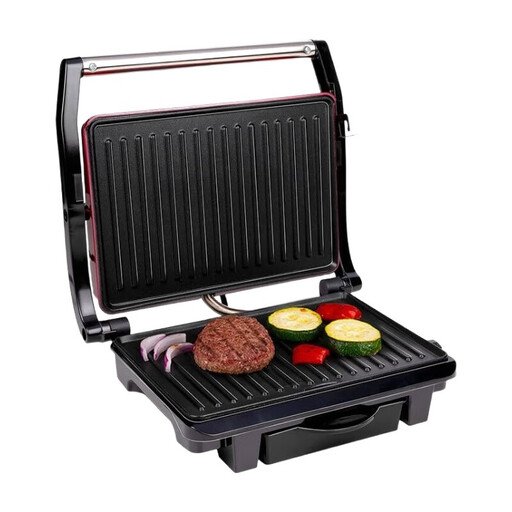
Why this choice suits this profile: With its 1 000 W power, this contact grill is ideal for preparing your first paninis, sandwiches, vegetables and boneless meat. Its compact design fits easily into a kitchen.
The non-stick plates, drip tray and wipe-clean design save you from overly complicated cleaning chores.
Two plates, preheating indicator lights, side clips and a cleaning tool included.
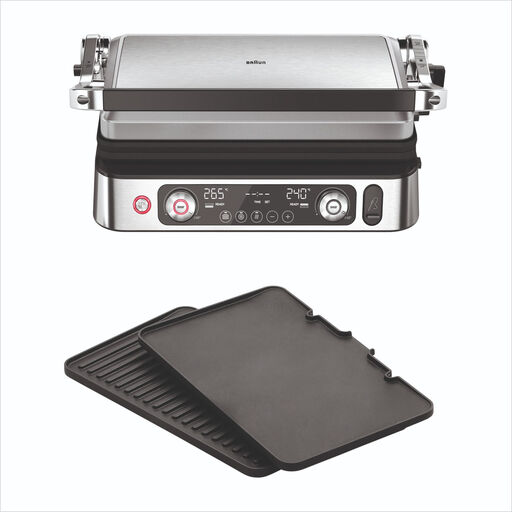
Why this choice suits this profile: This multi-function grill is designed for households that want to vary their cooking methods and adjust the temperature of each plate independently.
Its three positions — contact, open and oven — mean the appliance is not limited to just one type of recipe.
2 200 W power, SEAR function up to 265 °C, two independent thermostats and a temperature probe.
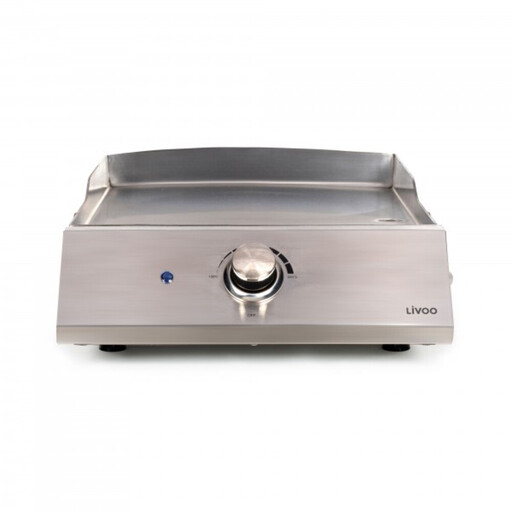
Why this choice suits this profile: Its 43 × 35 cm surface and adjustable temperature of up to 300 °C are well suited to regular meals involving several ingredients cooked at the same time.
The plate and drip tray are removable and stated to be dishwasher-safe, reducing the amount of handling required after the meal.
2 800 W power, removable stainless steel plate and four non-slip feet.
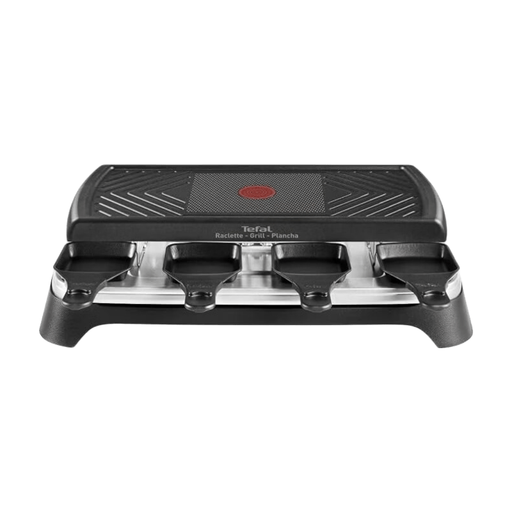
Why this choice suits this profile: This appliance combines an electric pierrade, raclette and plancha, making it easy to organise a meal to share without crowding the table with several appliances.
The stated capacity of eight people and eight individual pans are clearly suited to group use.
1 350 W power, natural stone plate, non-stick grill plate and dishwasher-safe individual pans.
We have put together a comprehensive, real-time updated list of products that meet these demanding selection criteria and European safety regulations.
Place the electric grill on a flat, dry and heat-resistant surface. Leave enough space around the vents and keep the appliance away from fabrics, curtains and any source of water. Preheat it according to the manufacturer’s instructions, then adjust the thermostat to suit the food being prepared.
After use, unplug the appliance and wait until it has cooled completely. Remove only the components identified as removable in the instructions. Never immerse the base, cable or plug in water. To protect a non-stick plate, use a non-abrasive sponge and wooden or silicone utensils.
Outdoor use is only possible if the model explicitly permits it. An appliance designed for indoor use, such as some electric planchas, must never be exposed to rain or moisture.
Between 1 000 and 1 500 W, a compact appliance is generally suitable for sandwiches, paninis and small portions. From 1 800 to 2 200 W, the heat-up time is better suited to larger surfaces and a wider range of cooking methods. A power rating of 2 800 W may be suitable for a large plancha, but it requires a compatible electrical socket and a properly ventilated space.
Consumption depends on the appliance’s power rating and how long it is used. A 2 000 W model used for 30 minutes theoretically consumes 1 kWh, without taking the heating and temperature-regulation phases into account. To reduce operating time, prepare the food in advance, preheat the appliance only for as long as necessary and avoid leaving it switched on between batches.
This depends on how often the appliance is used, storage conditions and maintenance. To extend its lifespan, clean the plates without abrasive products or accessories, avoid impacts to the natural stone and inspect the cable regularly. Also check the warranty terms, the availability of spare parts and the manufacturer’s recommendations on the product page for your chosen model.