
Livraison le jour même ou le lendemain

Qualité garantie

Débloquez vos offres de bienvenue: Livraison GRATUITE | Jusqu'à -80 % | 30 jours d'essai gratuits à JoyPlus
Téléchargez l'application
A jumper can look worn out after just a few washes because of pilling. To remove it quickly, an electric fabric shaver is an effective solution — provided you choose a model suited to the textile and use it with a little care. Wool, knitted fabrics, coats, sofas and blankets do not all react in the same way.
Before placing your order, it is also worth taking marketing claims with a pinch of salt. Here are the criteria that really matter, the mistakes to avoid and a selection of models for different uses.
A high number of revolutions per minute may sound reassuring, but it does not guarantee suitable results for every garment. A good fabric shaver should primarily combine a protective grille, well-positioned blades and use without excessive pressure.
If protection is inadequate, fibres may be caught or cut. The risk is even greater with a fine jumper, loose knit or delicate fabric, particularly if you go over the same area several times.
A battery-powered device can be convenient for occasional use: there is no cable to store and it starts up immediately. However, you will need to keep AA batteries to hand and check their charge level regularly. A rechargeable fabric shaver avoids this recurring purchase, but you will need to remember to recharge it and keep the supplied cable safe.
Dual-power devices, which can be used with mains power or batteries, are better suited to longer sessions and regular use at home.
A collector that is too small or difficult to remove can quickly make maintenance a chore. Fibres build up around the grille and blades, which eventually affects the device’s performance. Before ordering, check for a removable reservoir, a cleaning brush and, if possible, a detachable head.
The grille protects the fabric by preventing the blades from coming directly into contact with the fibres. Check that it is made from metal or specifically designed to protect the fabric, and always use the device without pressing down heavily.
The number of blades is a useful indication, but it is not enough to assess a model. The Singer 220015002, for example, has three stainless steel blades and a shaving diameter of 45 mm. The PANCERKA featured below uses a six-blade system. In both cases, the right choice depends mainly on the textiles you need to treat and how often you plan to use it.
A fabric shaver with several settings allows you to adapt the pass to different fabric thicknesses. A thick knit does not necessarily need to be treated in the same way as a fine garment. Always start with the gentlest setting and test it on an inconspicuous area.
The Philips and Solac models offer several levels or settings. This is a real advantage when moving from jumpers to upholstery fabrics without having to press harder on the device.
Choose a model fitted with a removable lint reservoir. Emptying it is quicker, and you can immediately see how much fibre has been removed. Some devices also come with a brush, which is very useful for cleaning the grille and shaving head.
To keep the device in good condition, switch it off before carrying out any maintenance, keep the electrical parts dry and regularly check the condition of the blades.
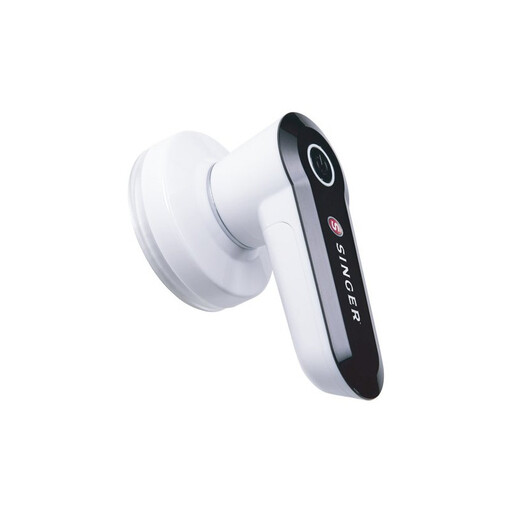
Why it suits this profile : Its compact design and AA battery operation are ideal for beginners looking after jumpers, cardigans and everyday clothing.
Its grille protects the fabric, while the removable collector makes cleaning quick and easy.
Three stainless steel blades, a 45 mm shaving diameter and an ergonomic handle with a soft-touch coating.
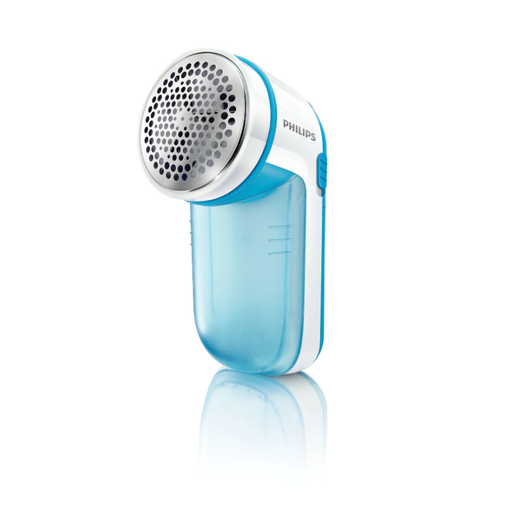
Why it suits this profile : Its wide shaving surface, two settings and dedicated accessories are ideal for people who demand a polished finish and regularly look after several garments.
The two settings let you adapt the pass to the fabric, while the washable collector and brush make cleaning easier.
Advertised speed of 8 800 revolutions per minute, three grille sizes, a removable collector and a cleaning brush included.
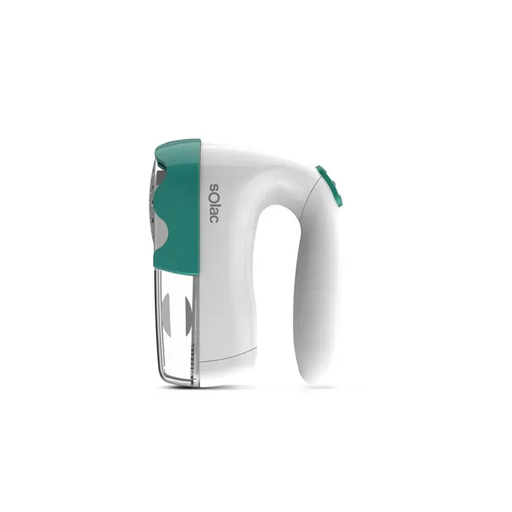
Why it suits this profile : Its battery or mains adaptor power supply is suitable for frequent care of clothes, blankets and upholstery fabrics at home.
The dual power mode means you do not have to rely solely on batteries during a longer session.
Three levels, stainless steel blades, a 124 ml reservoir, a detachable head and a brush included.
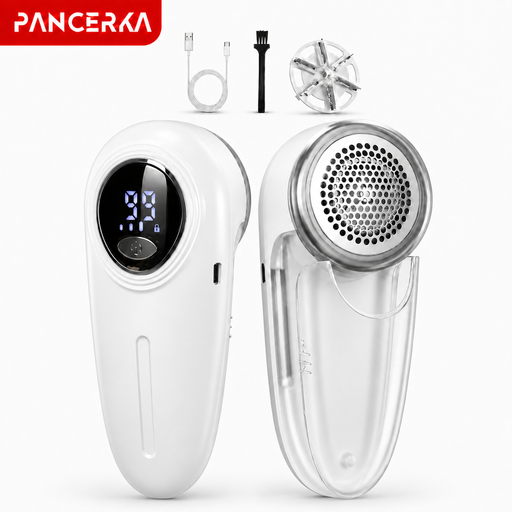
Why it suits this profile : Its cordless design and integrated 500 mAh battery are ideal for anyone who wants to take a fabric-care accessory with them when travelling.
The rechargeable battery means there is no need to carry spare batteries, while the removable collector makes emptying it easy.
Advertised motor speed of 7 500 rpm, six-blade cutting system and ABS housing.
A fabric shaver does not replace the manufacturer’s washing instructions. For very fine or already weakened textiles, a delicate wash and suitable storage remain essential to help prevent new pilling.
No. It is generally suitable for knitted fabrics and textiles whose fibres form lint on the surface. However, care is needed with silk, lace, cashmere, velvet and very fine textiles. Always test it on a discreet area and never force it over the material.
A battery-powered model is suitable for occasional use and allows you to replace the power source quickly. A rechargeable model is more convenient when travelling and avoids the need to buy batteries regularly, but you will need to remember to recharge it. For extended use at home, a device with a mains adaptor offers greater flexibility.
Its lifespan depends on how often you use it, how well you maintain it and the condition of the blades. Empty the collector regularly, keep the grille clean, avoid moisture and do not use the device on already damaged fabrics. If the blades become blunt or the grille is bent, stop using the device to reduce the risk of damaging the textile.