
Livraison le jour même ou le lendemain

Qualité garantie

Débloquez vos offres de bienvenue: Livraison GRATUITE | Jusqu'à -80 % | 30 jours d'essai gratuits à JoyPlus
Téléchargez l'application
Fabric, leather, cardboard, plastic, felt or carpet: a multi-purpose electric cutting machine can make many sewing, DIY and personalisation projects easier. However, you should not rely solely on product descriptions, which often highlight motor speed or the number of compatible materials without explaining the real limitations.
Before buying, check the cutting capacity, battery life and safety features in particular. A poorly suited tool may produce uneven edges, become clogged quickly or feel uncomfortable after just a few minutes of use.
A high number of revolutions per minute does not guarantee that a device will cut every material with equal ease. The type of blade, its diameter, the pressure applied and the maximum accepted thickness also play a decisive role.
A rotary cutter designed for fabric will not necessarily handle thick cardboard or rubber comfortably. So check the list of recommended materials, as well as the maximum thickness specified by the manufacturer.
Cordless electric scissors and a rechargeable electric cutter allow you to work without a cable, but the stated battery life generally depends on how intensively the tool is used and on the material being cut. For a home workshop, USB-C charging can be particularly convenient. For intensive use, also check the charging time and whether you can buy a second battery or replacement blade.
A blade that accumulates fibres, glue residue or plastic particles quickly loses its smooth performance. A locking system is also essential to help prevent accidental starts. Keep fingers, loose clothing and cables away from the cutting path. Wear the protective equipment recommended in the instructions and always store the device out of children’s reach.
For a fabric cutting machine, choose a blade designed for textiles, felt and flexible materials. With a leather and carpet cutter, blade rigidity and tool stability become more important. If you are looking for a cardboard and plastic cutting tool, check the maximum thickness and the stated limits for each material carefully.
A self-sharpening blade can reduce maintenance, but it does not eliminate the need for cleaning or replacement when cutting starts to become uneven.
The stated thickness should be treated as a usage limit, not as a guarantee of identical results on every material. The Electric roller cutter offers a speed of 320 rpm, a 1,500 mAh battery and a maximum cutting thickness of 8 mm. It is described as compatible with fabric, carpet, leather, rubber and cardboard.
For personalisation projects, a vinyl cutting plotter works differently: it follows a digital design and is suitable for stickers, films, cards or textiles, depending on the available accessories and settings. It therefore does not necessarily replace a rotary cutter.
A lightweight device is more comfortable for repeated cutting and for jobs carried out over a table. The GARTOL 4V has a stated weight of 0.386 kg, battery life of up to 2 hours, USB-C charging and a noise level below 70 dB, according to the information provided. The second GARTOL cutter has a 4.2 V lithium battery, stated battery life of up to 2 hours and a weight of 0.39 kg.
Also remember to check the contents of the package: some models include a replacement blade or dust bag, while others come with just one blade.
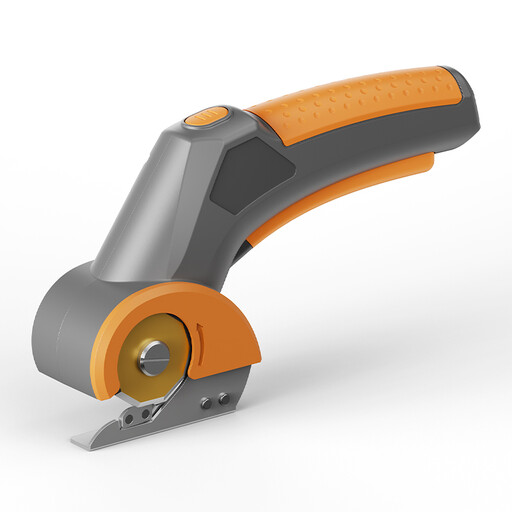
Why this choice suits this profile: Its cordless design and USB-C charging make it a practical tool for small sewing projects, creative hobbies and DIY jobs at home.
The stated materials are clearly listed: paper, corrugated cardboard, carpet, leather, felt and plastic. This makes the tool’s limitations easier to understand than a vague promise of versatility.
4.2 V lithium battery, stated battery life of up to 2 hours, blade lock and tool-free replacement.
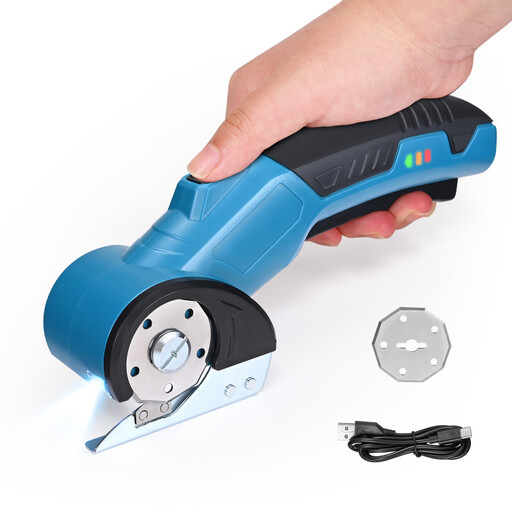
Why this choice suits this profile: Its stated capacity of up to 8 mm may suit users who switch between leather, cardboard, rubber, fabric and carpet.
The product details specify the speed of 320 rpm, the 1,500 mAh battery and the maximum thickness: three useful details for keeping expectations realistic.
Cutting capacity stated up to 8 mm, with compatibility indicated for several flexible or semi-rigid materials.
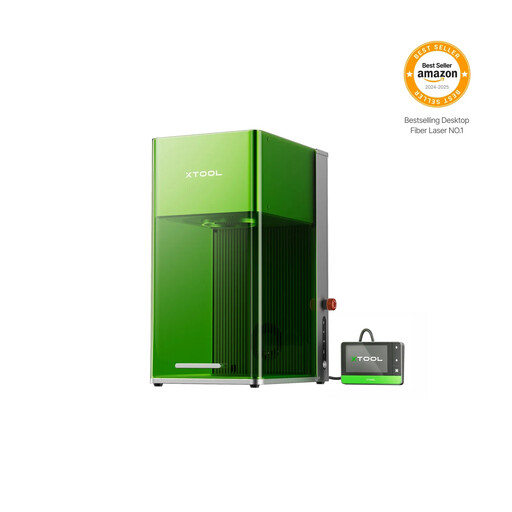
Why this choice suits this profile: This machine is designed for personalisation and engraving projects on metal and wood, with a smart camera and features advertised for 3D engraving.
This is not simply a cordless cutter: the product details position it for engraving and cutting jewellery, metal and wood. However, check the compatible materials, required software and safety instructions before installation.
20 W fibre and diode laser source, speed of up to 10,000 mm/s and integrated camera, according to the product details.
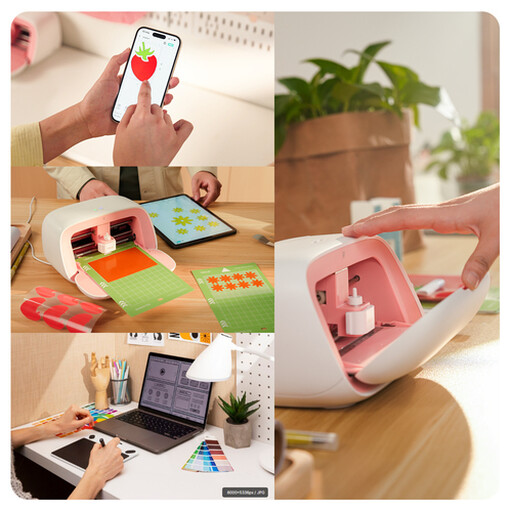
Why this choice suits this profile: Its compact design and starter kit are suitable for stickers, cards, vinyl films and some textile projects.
At 13.97 cm, this model differs from a hobby plotter designed for large batches. So check the effective cutting width before considering professional production.
Mini format, starter kit and stated suitability for stickers, vinyl, textile film and cards.
Before making your first cut, fully charge the battery, read the instructions and test the tool on a piece of scrap material. Place the material on a stable surface and avoid pushing the device beyond the recommended thickness.
After each session, remove fibres and dust with a dry cloth. For a laser machine, ensure installation complies with the manufacturer’s instructions, provide adequate ventilation and keep the area inaccessible to children. Never use a material that is not mentioned in the instructions, especially if it could produce harmful fumes.
Some models are advertised as compatible with these materials, but the result depends on their thickness, density and the type of blade used. Check the stated capacity and always start by testing on a piece of scrap material.
The models featured here offer up to approximately 2 hours of continuous use. This figure is indicative: the material, pressure applied and condition of the battery can affect the actual battery life.
A rotary cutter is suitable for manually cutting a range of materials. A plotter follows a digital file or design and is better suited to stickers, films, cards and repeated patterns. The right choice therefore depends on the type of project, the volume to be handled and the level of precision required.