
Livraison le jour même ou le lendemain

Qualité garantie

Débloquez vos offres de bienvenue: Livraison GRATUITE | Jusqu'à -80 % | 30 jours d'essai gratuits à JoyPlus
Téléchargez l'application
An electric cooking appliance can replace a fixed installation, complement an already equipped kitchen or make mealtimes easier in a studio flat, office or motorhome. The choice is particularly wide: portable hob, multifunction cooker, electric slow cooker, electric hot pot, rice cooker or air fryer.
Before making your choice, it is best not to rely solely on wattage or the number of programmes. Here are the criteria that really matter when choosing an appliance suited to your space, habits and electrical installation.
A power rating of 2 000 W speeds up heating, but it places a greater demand on the electrical socket and does not guarantee more even cooking. For a portable hob, focus instead on whether it offers several power or temperature settings. By contrast, a 300 to 600 W mini cooker is generally sufficient for one person and simple preparations.
An induction hob does not work with every type of cookware. It requires a saucepan or frying pan with a magnetic base, usually made from cast iron, enamelled steel or compatible stainless steel. A simple magnet can often be used to check whether your cookware is suitable.
A ceramic or electric solid-element hob, including some glass-ceramic models, accepts a wider range of materials: stainless steel, cast iron, aluminium, glass or ceramic, depending on the manufacturer's instructions. Carrying out this check will help you avoid buying an induction hob that cannot be used with your existing cookware.
The stated dimensions do not always include the space that needs to be left around the appliance. Make sure you have a stable, heat-resistant surface and sufficient ventilation. For a rice cooker or electric slow cooker, also leave enough clearance above the appliance so that steam can escape properly.
For a portable hob, a maximum power rating of between 1 500 and 2 000 W is suitable for most uses: boiling water, searing food or simmering a dish. However, the precision of the controls is more important than the maximum figure alone.
The capacity should match the number of people you are cooking for, without overlooking storage space. An appliance with a capacity of 1 to 1.2 L is generally suitable for one or two portions. Models with a capacity of 5 to 7 L are better suited to family meals or cooking in larger quantities, but they also take up more room on the worktop.
A 2 L rice cooker may suit a couple or a household that regularly prepares side dishes. For three or four people, a 4 L model provides more capacity. However, bear in mind that the stated capacity sometimes refers to the total volume of the bowl rather than the amount of food that can actually be cooked. Always check the instructions and the fill markings.
Look for features that are clearly detailed in the product description: automatic shut-off, overheating protection, pan detection, child lock or residual heat indicator. Naturally, these features do not remove the need to supervise the appliance while it is cooking.
For cleaning, a smooth surface and a removable bowl make washing up considerably easier. Never immerse the motor unit, plug or cord. If you are considering a built-in induction hob, check the cut-out dimensions, ventilation and electrical connection. Depending on the property's configuration, installation by a qualified professional may be essential.
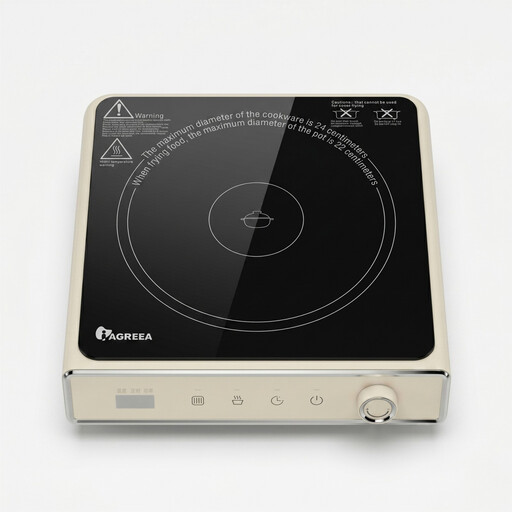
Why this choice suits this profile : Weighing 1.5 kg, this portable ceramic hob fits easily into a student kitchen, small home or motorhome. It is compatible with different types of cookware and is controlled using a dial.
Its eight temperature levels and eight power levels mean you are not reliant on a single maximum setting. The product description also states that it switches off automatically after a period without any controls being used.
2 000 W power, timer of up to 180 minutes, glass-ceramic surface and compact dimensions of 288 × 270 × 65 mm.
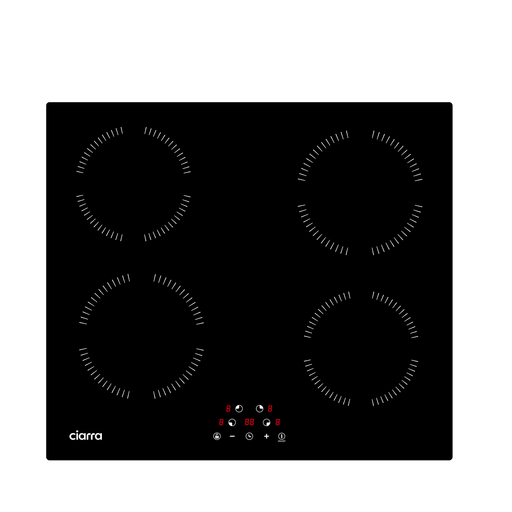
Why this choice suits this profile : This built-in hob is designed for households looking for an integrated installation, several cooking zones and touch controls.
The product description specifies the cut-out dimensions, compatible cookware diameters and total power. This allows you to check compatibility with the unit and electrical circuit before ordering.
Four zones, nine power levels, individual timers, child lock and residual heat indicator.
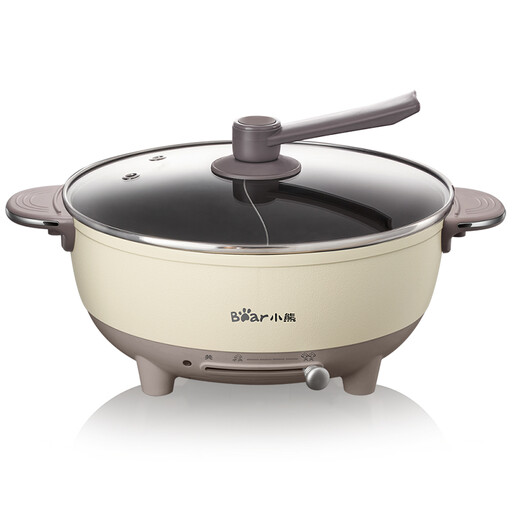
Why this choice suits this profile : With its 6 L capacity and two compartments, it is ideal for family meals, hot pot evenings and recipes requiring two different flavours at the same time.
The continuous adjustment from 0 to 210 °C provides more precise control than a simple low or high setting. Dry-boil protection also helps reduce a common risk during long cooking times.
6 L capacity, 1 500 W power, glass lid, non-stick coating and removable power cord.
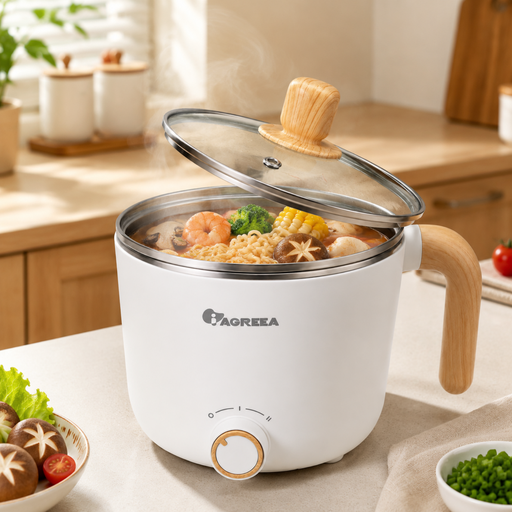
Why this choice suits this profile : This compact format fits easily into a student bedroom, office or small home for preparing noodles, rice, eggs or soup.
Its limited capacity means you avoid paying for and storing an oversized appliance when cooking for one or two people. The two power levels are also easy to use.
1 L capacity, selectable power of 300 or 600 W and stainless steel inner bowl.
We have compiled a comprehensive, real-time updated list of products that meet these exacting selection criteria and European safety standards.
A portable hob offers excellent flexibility and can be put away after use. A mini cooker or rice cooker is more suitable if you often prepare the same types of dishes. To replace a fixed installation, a built-in induction hob requires you to check the cut-out dimensions and electrical connection.
It depends on the appliance's power rating and how long it is used. A 2 000 W appliance used for 30 minutes theoretically consumes 1 kWh, while a 400 W model used for the same length of time consumes around 0.2 kWh. To reduce consumption, match the power to the recipe, use a suitably sized pan and cover dishes whenever the recipe allows.
It depends on how often the appliance is used, how well it is maintained and the quality of its components. To help preserve your appliance, allow it to cool before cleaning, avoid metal utensils on non-stick coatings and never block the steam or ventilation outlets. Before buying, also check the instructions, warranty terms and information supplied by the manufacturer.