
Livraison le jour même ou le lendemain

Qualité garantie

Débloquez vos offres de bienvenue: Livraison GRATUITE | Jusqu'à -80 % | 30 jours d'essai gratuits à JoyPlus
Téléchargez l'application
Painting a fence, washing a car without a nearby power socket, or cleaning hard-to-reach windows: electric cleaning and spraying devices can really simplify everyday chores. But you need to know how to separate the power claimed on the box, the advertised battery life, and the accessories that are actually useful.
Before you place an order, three common pitfalls keep cropping up:
For painting, look for a viscosity rating, such as 120 DIN-S, along with several nozzles. A thick paint may need thinning, provided you follow the manufacturer's instructions. Also check whether the device accepts water-based paints, oil-based paints, or only certain formulations.
An HVLP sprayer uses a high volume of air at a relatively low pressure. When properly adjusted, this technology can reduce overspray and improve control of the spray pattern. However, it does require a bit of preparation: filter the paint, do a test on a piece of cardboard, then gradually increase the flow until you get the desired result.
For washing, the stated pressure doesn't tell the whole story. A portable cordless pressure washer is fine for routine cleaning of a car, a bike, a balcony, or garden furniture. It won't necessarily replace a mains-powered model designed for stripping a heavily soiled patio.
A model with a rechargeable battery saves you from hunting for a socket, especially when washing a car in a courtyard, a garage, or while out and about. Remember to check:
A mains-powered model still has its advantages for long painting sessions. With a three-metre cord and a 2.5-metre hose, you already have a comfortable reach without having to stack extension leads.
An easy-to-dismantle tank, spare seals, and a cleaning needle reduce the risk of premature breakdown. After each use, rinse the parts thoroughly until the water or cleaning fluid runs perfectly clear.
For cleaning windows and exterior surfaces, an automatic device should be used on a compatible, clean, and sufficiently flat surface. An automatic window cleaner doesn't let you off checking the edges, seals, and any residue before you start it up. As always with an electrical appliance, consult the manual, the usage restrictions, and the safety instructions. On the product page or packaging, also check for the CE mark, the manufacturer's identity, and the presence of an authorised representative established in the European Union.
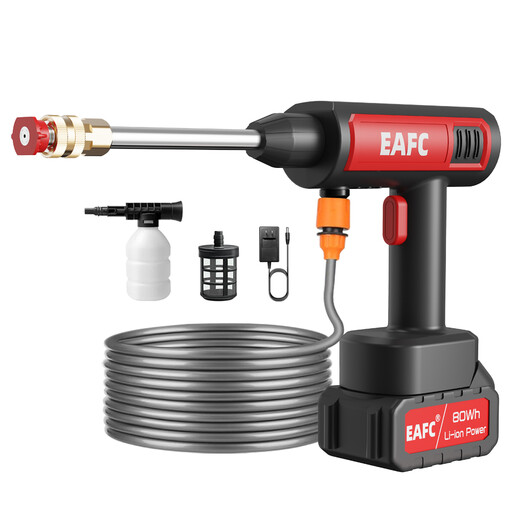
Why this choice suits this profile: Cordless and compatible with water supply from a bucket, tap, or suction, it's ideal for occasional washing of a car, bike, or balcony.
The product page details possible causes of difficult starting or insufficient pressure, such as air in the system, a kinked hose, or a flat battery.
Lithium battery, easy-carry handle, adjustable nozzle, and intended use for washing, watering, and routine maintenance.
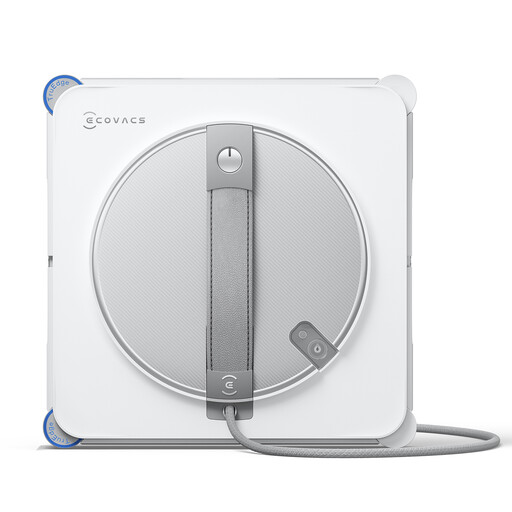
Why this choice suits this profile: This model is aimed at households that want to automate window cleaning, with a docking station and features specifically designed for corners.
Its advertised features include corner cleaning, a triple-nozzle spray, and a 12-step safety system. However, always check the precise usage conditions in the manual.
TruEdge function for cleaning close to corners, docking station, and WIN-SLAM 4.0 navigation, according to the manufacturer's specifications.
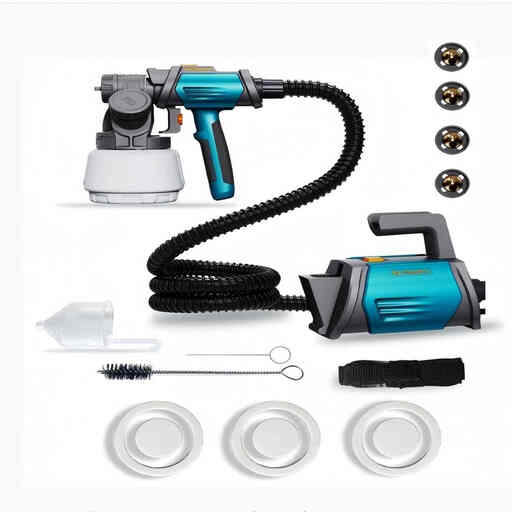
Why this choice suits this profile: Its design lends itself to painting walls, ceilings, fences, decking, and furniture, where consistent adjustment is the top priority.
The four brass nozzles, three spray patterns, and viscosity adjustment allow you to tailor the spray to both the surface and the paint you're using.
800 W power, 1,300 ml tank, compatibility stated up to 120 DIN-S, 2.5 m hose, and 3 m cord.
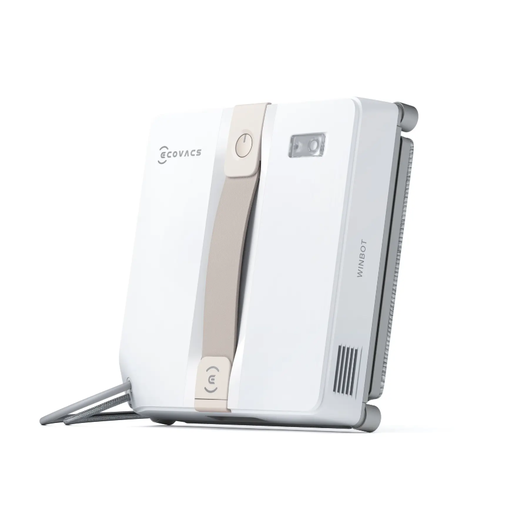
Why this choice suits this profile: Its compact size, automatic, manual, and edge modes, plus its remote control, make it ideal for maintaining windows and glass doors.
The safety tether, anti-slip system, and edge detection address the risks that are often overlooked when using a device on a window.
Rechargeable lithium-ion battery, stated battery life of approximately 60 minutes per charge, microfibre pads, and charging station.
We've selected a comprehensive list, updated in real time, of products that meet these demanding criteria as well as European safety requirements.
It all depends on the cost of recharging, any nozzle replacements, and the battery's lifespan. For washing, you also need to factor in water and detergent consumption. An interchangeable battery lets you keep working without waiting, but it does increase the initial outlay.
Use clean pads, dose the liquid as recommended, and remove any abrasive dust before starting the robot. Also check the edges and corners by hand. A window-cleaning robot should be used on a compatible surface, with a safety tether attached in accordance with the instructions in the manual.
For domestic jobs, don't rely on watts alone. Instead, compare the tank capacity, the maximum viscosity it can handle, the nozzle diameter, the spray modes, and how easy it is to clean. An 800 W model like the TILSWALL can suit different surfaces, provided you prepare the paint properly and follow the recommended settings.