
Livraison le jour même ou le lendemain

Qualité garantie

Débloquez vos offres de bienvenue: Livraison GRATUITE | Jusqu'à -80 % | 30 jours d'essai gratuits à JoyPlus
Téléchargez l'application
An electric chopper can make light work of preparing meat, vegetables, herbs, sauces or baby food. The trouble is, product listings often shout about maximum power or the number of accessories, without always giving you the real-world usage details.
Before you hit 'buy', keep three common pitfalls in mind:
When choosing an electric meat grinder, don't just look at the stated wattage – check how it's presented. A peak power of 1,300 W or 2,000 W doesn't mean the motor will run continuously at that level.
For family use, focus on these points instead:
A small chopper for herbs or veg typically works in short bursts. The KitchenCook Matt Pod, for example, has a 200 W motor and should run for a maximum of 15 to 20 seconds per cycle, with a one-minute rest between uses. That information is far more useful than a bare power figure – it tells you whether the appliance actually suits your pace in the kitchen.
The bowl capacity needs to match the quantities you usually prepare. A 500 to 600 ml bowl is fine for small portions, sauces and everyday jobs. For a family or larger batches, a 900 ml to 1.5 litre appliance will save you from having to do multiple rounds.
Choose parts that clearly state they are food-safe:
A chopper with a glass bowl can be a good choice for reducing odour and colour retention. Glass is heavier, though, and needs careful handling to avoid knocks.
For meat, the hole diameter directly affects the texture you get: a 5 mm plate gives a finer mince than a 7 mm one. A meat grinder with accessories may also come with attachments for making sausages or kibbeh.
For vegetable prep, a multi-level blade makes light work of onions, dried fruit, herbs and veg. As for an appliance marketed as a multifunction chopper, check what accessories are actually included rather than relying on the product name.
Safety comes first: never put your fingers into the chute, always use the pusher provided, and unplug the motor before any disassembly or cleaning. The blades stay sharp, even on compact models.
The models below suit different needs. Before you look at the full product details, compare their capacity, accessories and usage limits.
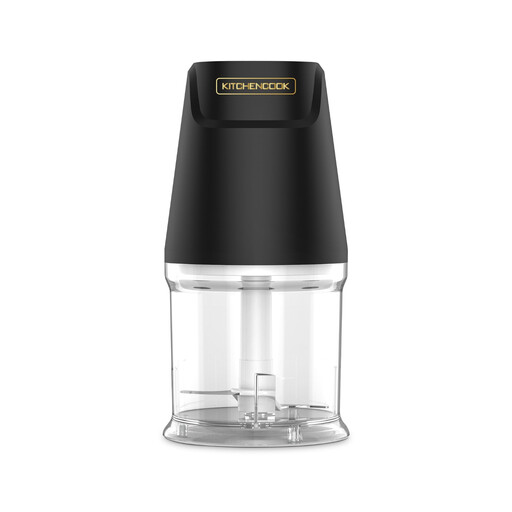
Why this suits this profile: Its compact 0.5 litre size is ideal for small kitchens, single portions and simple jobs like garlic, herbs, nuts or some baby foods.
The maximum cycle time of 15 to 20 seconds is clearly stated. This stops you from overworking the motor as if it were designed for continuous chopping.
200 W motor, stainless steel blade, BPA-free bowl and multilingual manual available in French.
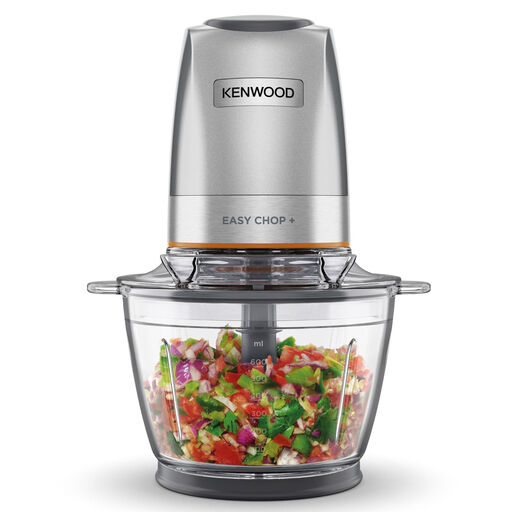
Why this suits this profile: This mini chopper combines a 600 ml glass bowl, two speeds and a mayonnaise attachment, making it easy to vary your everyday preparations.
Its product page details the capacity, number of blades and speeds, rather than relying on a vague promise of versatility.
500 W, four stainless steel blades and a dishwasher-safe glass bowl.
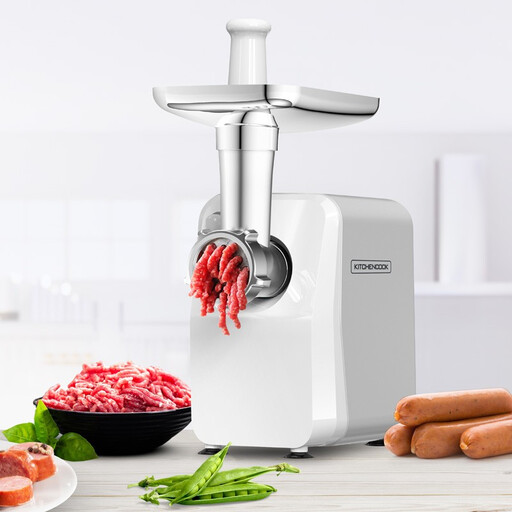
Why this suits this profile: This electric meat grinder is designed for meat prep, with two plate sizes and a kit for sausages and kibbeh.
The reverse function helps clear the chute if it gets blocked, while the suction feet keep the appliance steady on your worktop.
Peak power rated up to 1,300 W, stainless steel 5 mm and 7 mm plates and built-in storage compartment.
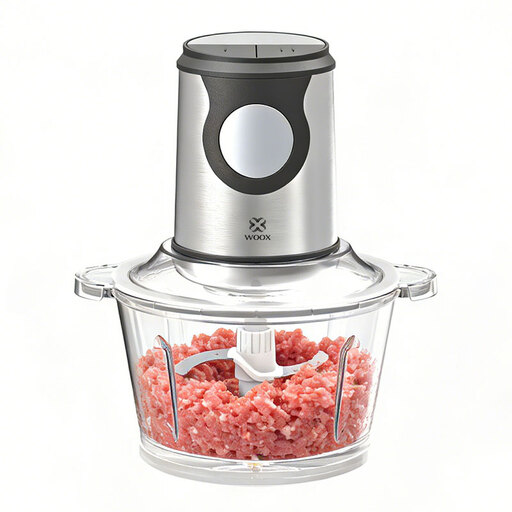
Why this suits this profile: With its 1.5 litre capacity, it's ideal for family-sized portions and recipes that combine meat, veg, fruit or baby food.
The capacity is clearly stated. You can compare it with your usual quantities, rather than relying on a vague promise of versatility.
Large-capacity glass bowl and stainless steel blades for a wide variety of preparations.
We've put together a comprehensive, real-time updated list of products that fully meet these strict selection criteria and European safety regulations.
After each use, unplug the appliance before removing the blades or auger. Clean the removable parts following the instructions in the manual, then dry them thoroughly – especially if they're made of steel. Never immerse the motor block in water.
To make your chopper last:
The running cost mainly depends on the power, cycle duration and how often you use the appliance. A 200 to 500 W model designed for short bursts can handle everyday tasks. An appliance built for mincing meat will use more power during longer prep sessions. Also check the availability of spare parts and the warranty period listed on the product page.
Yes, some models list meat among their uses. However, their capacity and running time are limited. For regularly mincing large quantities or making sausages, choose an auger-style model with metal plates.
A 500 to 600 ml bowl is fine for small jobs and modest portions. For several people or batches of around 1 kg, it's better to look at 1 to 1.5 litre models, always sticking to the maximum quantity stated in the manual.
Use evenly sized pieces, don't force food down the chute, and respect the rest periods between cycles. If the motor slows down, unplug the appliance and check that nothing is blocking the mechanism. On models that have it, the reverse function can help clear the chute, but it doesn't replace safe disassembly.