
Livraison le jour même ou le lendemain

Qualité garantie

Débloquez vos offres de bienvenue: Livraison GRATUITE | Jusqu'à -80 % | 30 jours d'essai gratuits à JoyPlus
Téléchargez l'application
An electric blender can prepare a smoothie for breakfast, a sauce, soup or purée in just a few minutes. However, some purchases can quickly become disappointing: the appliance may struggle with frozen ingredients, the jug may be awkward to clean or the advertised capacity may not match the volume that can actually be used.
Before comparing brands, it is worth identifying the common pitfalls and working out which features really matter in a French household.
High wattage alone does not guarantee a perfectly smooth texture. The result also depends on the shape of the jug, the blade design, the rotation speed and whether there is a “pulse” function. Even a powerful blender can leave chunks behind if its container is poorly designed.
For soft fruit and simple drinks, a 300 to 500 W motor may be more than sufficient. Recipes containing ice cubes, frozen fruit, nuts or fibrous vegetables generally require more power in reserve. You should also follow the usage times stated in the instructions to prevent the motor from overheating.
A 1.5- or 2-litre jug is not necessarily designed to be filled to the brim. The maximum liquid capacity, the “MAX” marking and the instructions for hot preparations are much more useful than the volume highlighted on the packaging alone.
For one person, a personal blender with a capacity of 475 to 710 ml is often enough. For a couple or family, a 1.2- to 1.9-litre container gives you more flexibility. If you plan to prepare soups, check that the container is suitable for warm or hot liquids: many conventional blenders are not designed for this use.
Residue from bananas, peanut butter or soup can easily become trapped around the blade unit. A model described as an easy-to-clean blender should therefore have removable parts, be dishwasher-safe where the manufacturer specifies this, or offer a clearly explained rinsing programme.
The availability of spare parts, the length of the warranty and whether instructions are provided in French are also worth checking. Never immerse the motor unit in water, and always unplug the appliance before taking it apart.
For a smoothie blender designed for fresh fruit, several speeds and a short pulse function let you adjust the texture to suit different recipes. For ice cubes, look for an explicit mention of an ice-crushing function or compatibility with hard ingredients. This function does not mean that the appliance can run without liquid or be used beyond the recommended operating time.
Models ranging from 900 to 1,500 W may be suitable for more intensive use, but they are often bulkier, noisier and more demanding on power while running. A 500 W motor may still be the most sensible choice if your recipes mainly consist of fruit, liquids and cooked vegetables.
A blender with a glass jug generally offers good resistance to odours and stains. However, it is heavier and may break if knocked. BPA-free plastic or Tritan is lighter and makes the blender easier to carry, but you must follow the manufacturer’s instructions regarding the maximum temperature and dishwasher use.
For a heated blender, steam management, lid locking and the maximum permitted temperature are essential. Several models in this selection specify a limit of 60 °C for hot liquids, so boiling-hot soup must be allowed to cool before blending.
A portable blender powered from the mains can fit neatly in an office or small kitchen, while a rechargeable cordless blender is easier to transport. USB-C models are mainly designed for individual portions and short cycles. They do not necessarily replace a family-sized appliance when you need to prepare large quantities.
A multifunction blender may come with an individual cup, a grinding container or several programmes. However, check the capacity of each accessory: the total number of containers listed tells you very little about the quantities you can actually prepare.
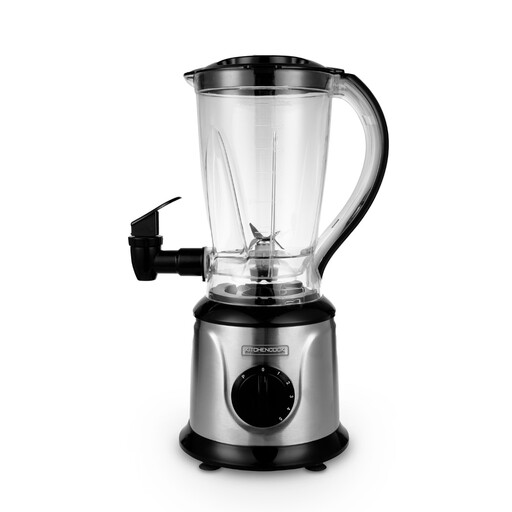
Why this choice suits this profile : Its 1.5-litre jug, different speed settings and pulse function cover everyday preparations without requiring a collection of accessories.
The product information specifies 500 W, a 1.5 L capacity and a pulse function, making the essential criteria easy to identify without relying solely on marketing claims.
Stainless-steel blades, non-slip feet and multilingual instructions including French.
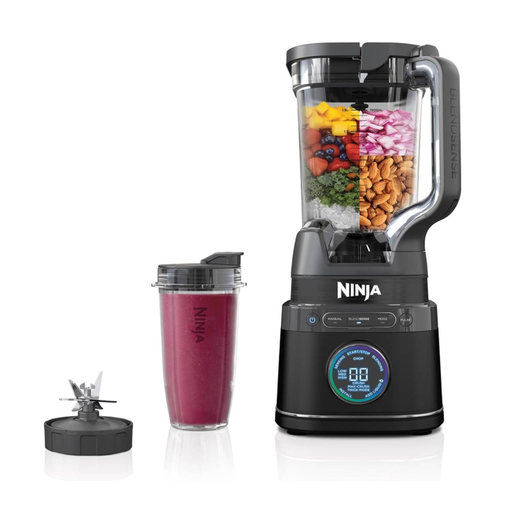
Why this choice suits this profile : This model is aimed at households that alternate between large quantities and individual portions, with more regular and structured use.
The product information distinguishes between the 2 L jug, its maximum 1.9 L liquid capacity and the 680 ml cups. You therefore know exactly which portions can really be prepared.
1,200 W motor, 10 speeds, 15 advertised modes and removable dishwasher-safe parts, suitable for the top rack.
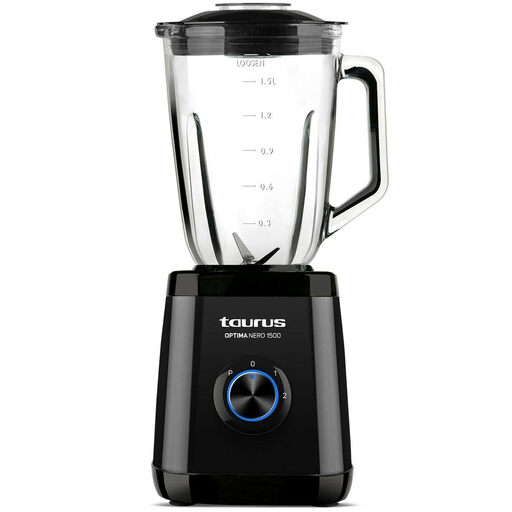
Why this choice suits this profile : Its stated power and glass jug are well suited to repeated recipes, purées and preparations containing crushed ice.
The product information specifies five speeds, a pulse function, four removable blades and a maximum continuous operating time of two minutes.
Stated power of 1,500 W, 1.5 L glass jug, ice-crushing function and whisk attachment.
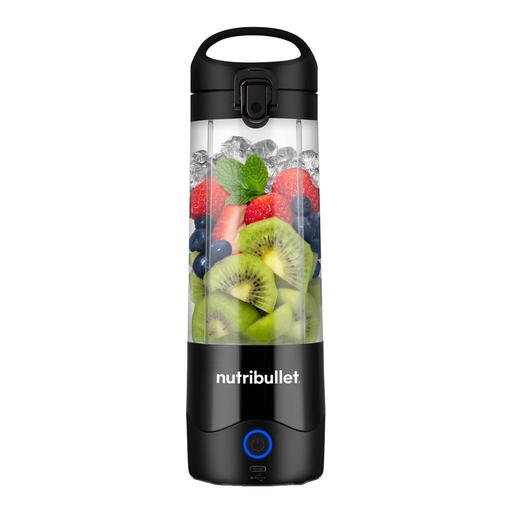
Why this choice suits this profile : Its individual format slips easily into a bag, while USB-C charging makes it simple to prepare a drink at the office, in the gym or while travelling.
The product information specifies a 475 ml cup, USB-C charging in 90 minutes and 20-second cycles, so the usage limits are clearly defined.
Rechargeable battery, USB-C cable, weight of 0.86 kg and BPA-free Tritan cup.
We have put together a complete, real-time updated selection of products that meet these strict criteria, as well as European safety regulations.
For blending fresh fruit with liquids, 300 to 500 W may be enough. Ice cubes, frozen fruit and fibrous ingredients require more power, a pulse function and suitable blades. In every case, the power rating should be considered alongside the usage limits stated in the instructions.
Not always. Check the maximum permitted temperature and the instructions regarding steam. If the technical specifications limit liquids to 60 °C, allow the soup to cool before pouring it into the jug. Close the lid properly and never exceed the recommended capacity.
Consumption depends on the motor’s power and the length of each cycle. A 1,000 W appliance used for one minute consumes around 0.017 kWh. The electricity cost of each preparation therefore generally remains modest. However, the overall budget should also include cleaning, possible blade replacement and the lifespan of the various parts.