
Livraison le jour même ou le lendemain

Qualité garantie

Débloquez vos offres de bienvenue: Livraison GRATUITE | Jusqu'à -80 % | 30 jours d'essai gratuits à JoyPlus
Téléchargez l'application
Looking to rediscover the comforting taste of a childhood breakfast or explore new Asian flavours?? Eight Treasure Porridge, or bā bǎo zhōu (八宝粥), is an avenue worth exploring. This traditional Chinese dish, as hearty as it is delicious, is a type of rice porridge filled with a mix of grains, legumes, and fruits. Its popularity stems from its nutritional balance and incredible convenience, especially in its ready-to-eat form.
This guide will help you navigate the options by breaking down the key selection criteria and presenting our top picks currently on the market. The goal?? To help you find the perfect porridge for an on-the-go Chinese breakfast, a healthy snack, or a light dessert.
Choosing a ready-to-eat porridge might seem simple, but a few details can make all the difference. Here are the key points to check to ensure you make the right choice.
The term "eight treasures" is more symbolic than literal?: it signifies a rich and varied recipe that isn't necessarily limited to just eight ingredients. You will most often find a base of glutinous rice, red beans, and peanuts, to which the following can be added?:
By examining the ingredient list, you'll get the best idea of the flavour profile and texture of the Chinese congee you are about to enjoy.
Daliyuan porridges, for example, come in several varieties. Some focus on fruity sweetness, like the longan versions, while others opt for a more rustic texture with a pronounced grain mix. If you prefer smooth, creamy consistencies, a recipe based on glutinous rice and white fungus should appeal to you. If, on the other hand, you enjoy a chewier texture, look for porridges containing barley, wheat, or whole beans.
This product's key advantage is its convenience. It's a ready-to-eat Chinese dessert or snack that requires no preparation. Most canned porridges can be enjoyed as is, at room temperature. For a more comforting touch, especially in winter, feel free to heat them up. Simply pour the contents into a bowl and microwave for a few moments or warm it gently in a saucepan. A word of caution: read the instructions on the packaging carefully?: never heat the metal can directly.
We have reviewed several products from the Daliyuan brand. Here is our selection, featuring distinct flavours to suit every palate.
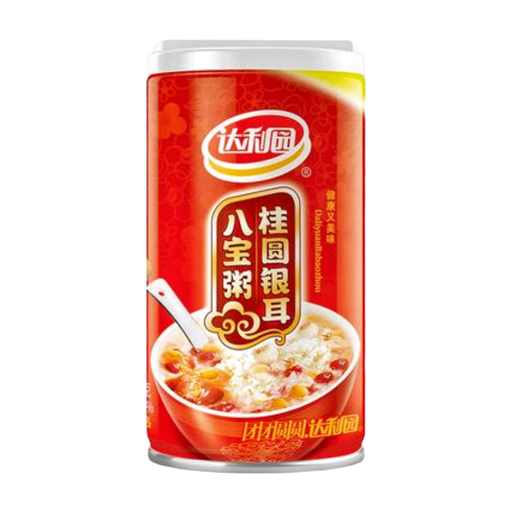
Why it stands out?: This version features a traditional recipe that highlights the fragrant sweetness of longan and the delicate texture of white fungus (tremella). An ideal choice for experiencing the authentic flavours of bā bǎo zhōu.
Highlights?:
Best for?? Fans of traditional sweet and fruity flavours who are looking for a very smooth, melt-in-your-mouth texture.
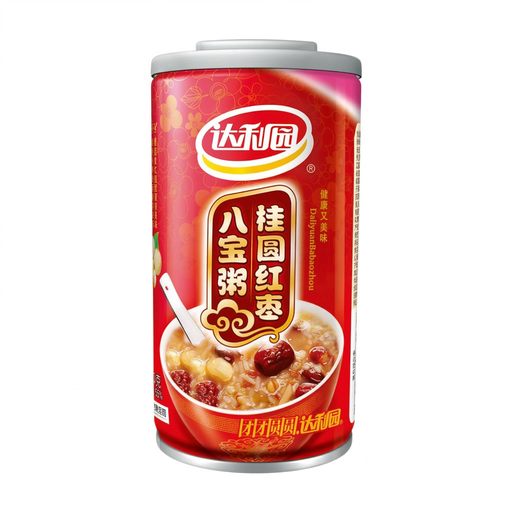
Why it stands out?: The combination of longan and red date (jujube) is a great classic in Chinese cuisine. This recipe delivers a rich flavour profile and a very characteristic natural sweetness.
Highlights?:
Best for?? Those seeking a more complex sweetness who appreciate the timeless pairing of longan and red date.
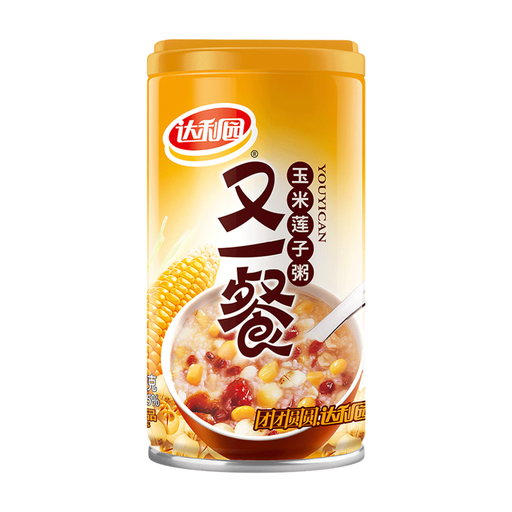
Why it stands out?: This variation goes off the beaten path with the addition of sweet corn and lotus seeds, offering a taste and texture experience that stands apart from classic recipes.
Highlights?:
Best for?? The adventurous who want to try a more original version of the porridge, with a sweet corn note and a more varied play on textures.
Our selection highlights some of the most popular flavours of Daliyuan porridge. But the world of ready-to-eat Asian snacks and meals is a vast playground, full of discoveries.
If you're curious to explore other types of desserts, drinks, or convenient meals, we invite you to browse our complete Food & Drinks category.
Bā bǎo zhōu is a traditional Asian rice porridge, often eaten in China during the Laba Festival but enjoyed year-round. It is a mix of rice (most often glutinous) with a multitude of grains, legumes, nuts, and dried fruits. The name "eight treasures" is a figure of speech that symbolises the richness and diversity of the recipe.
Nothing could be simpler?: it's ready-to-eat. You can open the can and enjoy it directly at room temperature. For a warm and comforting version, pour the contents into a bowl and heat it for a few moments in the microwave or gently in a saucepan over low heat. There is only one rule?: never heat the metal can directly.
The sugar content varies from one recipe to another. A look at the nutritional information shows a sugar content ranging from 6.5?g to 11.2?g per 100?g. This gives it a pleasantly sweet flavour, somewhere between a filling meal and a dessert, without being overly sweet for most palates.