
Livraison le jour même ou le lendemain

Qualité garantie

Débloquez vos offres de bienvenue: Livraison GRATUITE | Jusqu'à -80 % | 30 jours d'essai gratuits à JoyPlus
Téléchargez l'application
Finding an effective antiperspirant can often be a real challenge. Between promises of XXL protection and the fear of irritating your skin, it's easy to get lost. Who hasn't tried a 72-hour deodorant that fails mid-meeting, or a "high-performance" formula that turns your underarms into a disaster zone?
These disappointments can be traced back to two well-known pitfalls:
This guide is here to help you decode the labels and give you the keys to making a truly informed choice, tailored to your needs, not the siren song of marketing.
To stop throwing money away on disappointing products, focus on these three criteria that make all the difference in effectiveness and comfort.
The difference is simple: a standard deodorant masks or neutralises odours, while an antiperspirant tackles the source by regulating sweat production. The secret to an antiperspirant worthy of the name? The presence of aluminium salts (like Aluminum Chlorohydrate or Aluminum Zirconium).
Their role is to form temporary micro-plugs on the surface of sweat glands to limit the flow of perspiration. A formula designed for excessive sweating will logically contain a higher concentration of these active ingredients for regulatory action that goes the distance.
More than just a matter of preference, the format has a direct impact on application, and therefore on the final effectiveness.
A high-performance antiperspirant should never mean irritation. For sensitive skin, choose an alcohol-free antiperspirant (ethyl alcohol): this will help you avoid the drying effect and stinging, especially on freshly shaved or waxed skin.
The presence of moisturising and soothing agents (like glycerin, lactate, or plant-based oils) is also an excellent sign. These ingredients help maintain the skin's softness and counteract the powerful action of the antiperspirant actives.
Here are a few options that cater to specific user profiles, based on objective criteria of formulation and format.
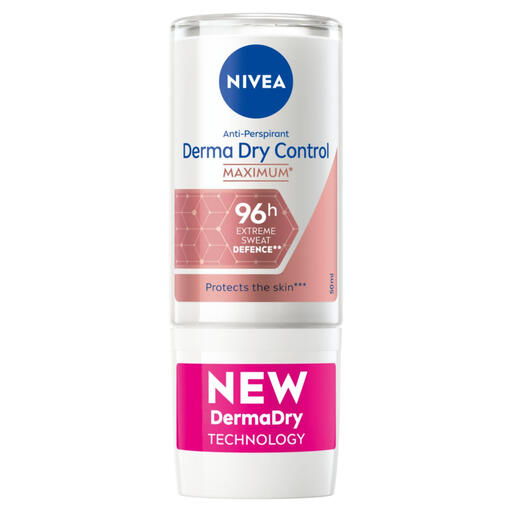
Why we chose it: For those who deal with moderate to heavy perspiration and demand rock-solid reliability during long days, moments of stress, or workouts. The roll-on deodorant format ensures precise and effective application.
Its DermaDry technology is specifically designed to offer enhanced protection against wetness and odour where conventional formulas reach their limits.
Combines 96h antiperspirant protection (manufacturer's data) with conditioning agents like lactate to keep skin comfortable.
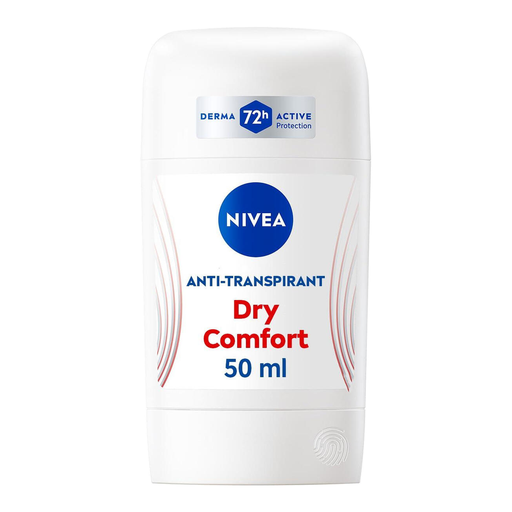
Why we chose it: Perfect for daily use on reactive skin. It offers the right balance between serious antiperspirant protection and a high-tolerance formula. Its deodorant stick format is both practical and gentle on application.
Its alcohol-free antiperspirant formula (ethyl alcohol) is the direct answer to the risk of irritation. It prevents stinging and dryness, even on freshly shaved or waxed skin.
Dual protection thanks to two antiperspirant actives for 72h effectiveness (manufacturer's data), all validated by dermatological tests.
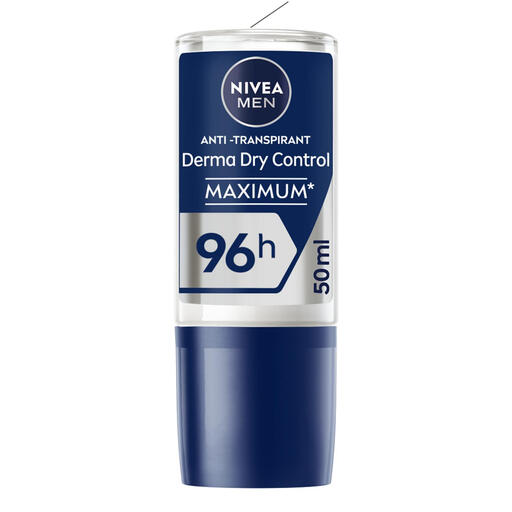
Why we chose it: Developed for men seeking maximum performance. Intense sports, marathon days, heavy perspiration: this men's deodorant provides a powerful and calibrated response.
It takes over where conventional formulas run out of steam. Its technology is designed to offer the range's most advanced protection against wetness and odour, even in extreme conditions.
96h protection (manufacturer's data) thanks to DermaDry technology that also cares for the skin, all in a roll-on format for controlled application.
Discover our full selection of products that meet our performance criteria and current regulations.
To put it simply: a deodorant tackles odours (caused by bacteria that thrive in sweat), but not their source. An antiperspirant, on the other hand, contains active ingredients (aluminium salts) that regulate sweat production. Today, most commercial products are 2-in-1, combining both actions.
Yes, it's highly recommended. The 72h or 96h durations indicate the formula's maximum performance under test conditions. In everyday life, daily showers, exercise, and stress make a morning application essential for optimal effectiveness. The best practice: always apply to clean, dry skin.
Those notorious marks are usually caused by the antiperspirant active powders. To avoid them: