
Livraison le jour même ou le lendemain

Qualité garantie

Débloquez vos offres de bienvenue: Livraison GRATUITE | Jusqu'à -80 % | 30 jours d'essai gratuits à JoyPlus
Téléchargez l'application
Finding the perfect gift for a child can often be a real puzzle. Between fleeting trends and endless wish lists, it's hard to know where to start and how to choose a toy that's both fun and helps them grow. This is where a well-chosen educational toy comes in: it can make all the difference by stimulating their curiosity, creativity, and skills, all while they're having fun.
As the Head of Product Recommendations at Joybuy, my role is to help you navigate the options. This guide offers practical advice and a curated product selection designed to steer you towards a children's gift that is truly meaningful.
Before you start shopping, keep a few key criteria in mind. They will help you ensure the gift is suitable, safe, and genuinely relevant for the child.
This is the golden rule: a toy that's too simple will bore a child, while one that's too complex will frustrate them. For the early years (0-3 years), a developmental toy that stimulates the senses (colours, textures, sounds) and gross motor skills, like a baby walker, is an excellent choice. For older children, focus on toys that develop fine motor skills, logic, or creativity. While the age on the box is a good guideline, you should ultimately trust the child's own maturity and interests.
Here, there's no room for compromise: safety is non-negotiable. Make it a habit to check for the CE mark, which guarantees the product complies with European safety standards. Pay close attention to the materials (opt for BPA-free plastics like PP+ABS), the absence of small, detachable parts for younger children (choking hazard), and the overall sturdiness of the toy. Rounded corners and a solid design are key indicators for peace of mind.
The best toys are often those without a strict set of instructions. A good creative toy doesn't impose a single way to play, but instead offers a playground for imagination where the child can invent their own rules. Whether it's a craft kit or a kid's camera, toys that encourage personal expression and independence are fantastic tools for building self-confidence.
To put theory into practice, here are three toys that perfectly illustrate these principles, catering to various ages and interests.
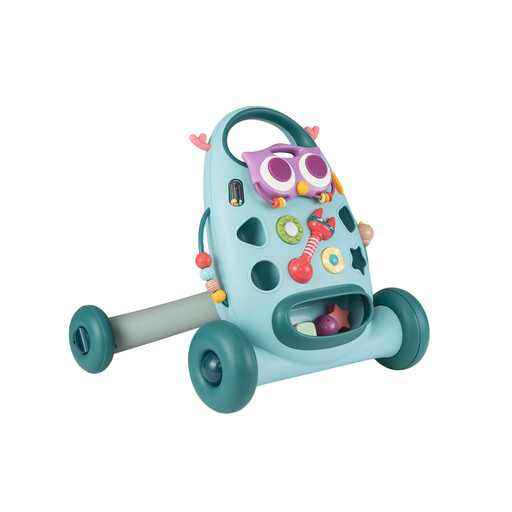
Key feature: This baby walker stands out with its 2-in-1 design, combining a safe walking aid with a removable activity board. It supports a child as they learn to walk while stimulating their senses and fine motor skills.
Benefits:
Who is it for? Ideal for toddlers aged 12 to 36 months. An excellent developmental toy for parents who want to support their child's first steps in a fun and safe way.
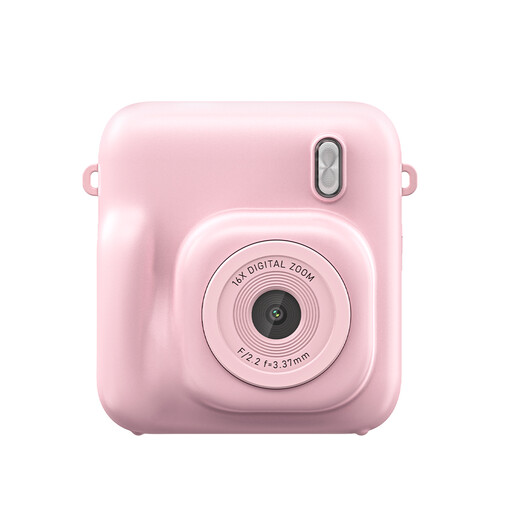
Key feature: This kid's camera offers the instant gratification of printing. It allows children to capture their world and hold their creations in their hands, bridging the gap between the digital and the tangible.
Benefits:
Who is it for? A perfect children's gift for budding photographers (from 3 years old, with supervision). It's sure to liven up birthdays and family parties by offering a fun and creative activity.
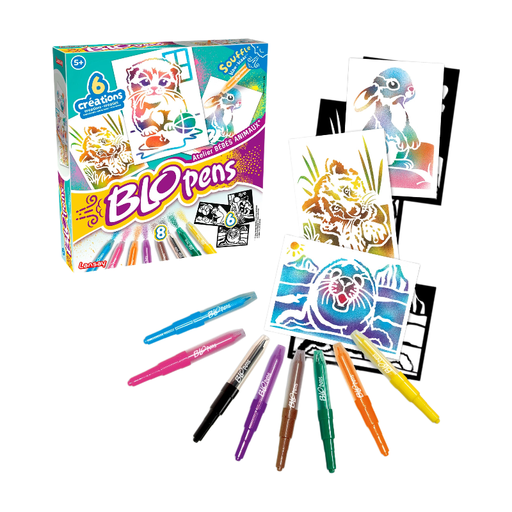
Key feature: This craft kit offers a unique drawing technique: by blowing into the Blopens markers, children create drawings with an airbrush effect. It's a truly original and playful approach to colour.
Benefits:
Who is it for? Perfect for children aged 5 and up who love to draw and experiment with new artistic techniques.
Our selection is just a starting point, as every child is unique. Are you looking for suggestions for a specific age or a special event? For a big birthday, for example, a well-targeted list of ideas can be a huge time-saver. Discover our collection of cool gifts for 4-year-olds to get plenty of inspiration.
Far from turning play into a chore, an educational toy aims to stimulate a child's skills in a fun way. It can subtly foster their cognitive development (logic, problem-solving), motor skills (dexterity, coordination), social skills (sharing, communication), or creativity.
The first step is to look for the CE mark on the packaging. Also, carefully read the manufacturer's warnings, especially regarding the recommended age and the presence of small parts. Finally, handle the toy yourself: does it feel sturdy? Are there any sharp edges?
Developmental toys can be introduced from the very first months. For the early years, rattles, playmats, and sensory mobiles are perfect. As the child grows and starts to move around, toys like stacking blocks or a baby walker naturally take over.