
Livraison le jour même ou le lendemain

Qualité garantie

Débloquez vos offres de bienvenue: Livraison GRATUITE | Jusqu'à -80 % | 30 jours d'essai gratuits à JoyPlus
Téléchargez l'application
Between the promises of development, the bright colours and the features presented as "must-haves", choosing educational toys for children aged 3 to 6 can quickly become a headache. Whether for a birthday, a family activity or outdoor games, the recommended age alone is not always enough to make the right choice.
Three mistakes crop up time and again when buying:
Here are the criteria to examine before comparing different models.
For a balance bike without pedals, an adjustable saddle height is one of the essential features. It allows you to gradually adapt the learning bike to the child's height. Their feet must be able to touch the ground to make those first moves and stops easier.
The recommended age serves as a guide, but the child's build, confidence and play environment matter just as much. At age 3, children don't necessarily master the same movements or balance as they do at age 6.
Airless tyres avoid the hassle of inflation, while a stand makes storage between sessions simpler. For outdoor toys intended for 3-year-olds, also check the stability, any pinch points and the presence of easily accessible sharp edges.
For a children's table tennis set, look carefully at what's included in the box: bats, balls, net, fixing system and practice support. The models shown here combine wood and metal and contain small parts. They are recommended from age 3, with assembly by an adult and supervision advised.
A communication toy for children powered by batteries should be chosen with its real battery life and the cost of replacing them in mind. The dinosaur kids walkie-talkie model shown runs on six AAA batteries for the pair, which are not included.
For coordination games, ease of storage also deserves your full attention. A foldable net or compact support often proves more practical in a British home where every square metre counts. Before each game, check the fixings and keep the set away from stairs, fragile items and walkways.
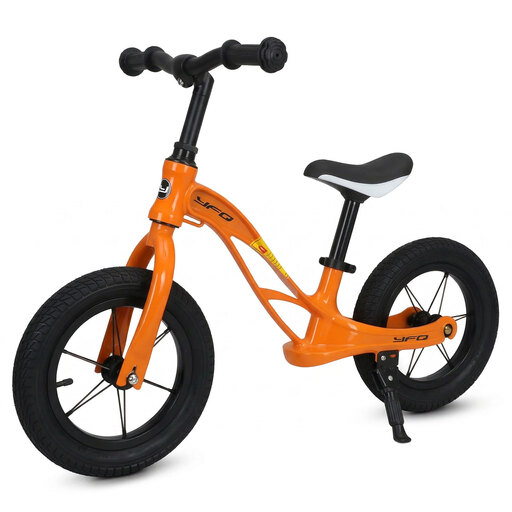
Why this choice suits this profile: This pedal-free balance bike is designed for children aged 3 to 6 who are starting to develop their balance. Its lightweight design and adjustable saddle make it easy to get to grips with.
The adjustable saddle means you don't have to choose a model that's too tall from the start. The airless tyres also cut down on inflation checks.
Adjustable saddle, airless tyres and integrated stand. The manufacturer recommends it for children aged 3 to 6.
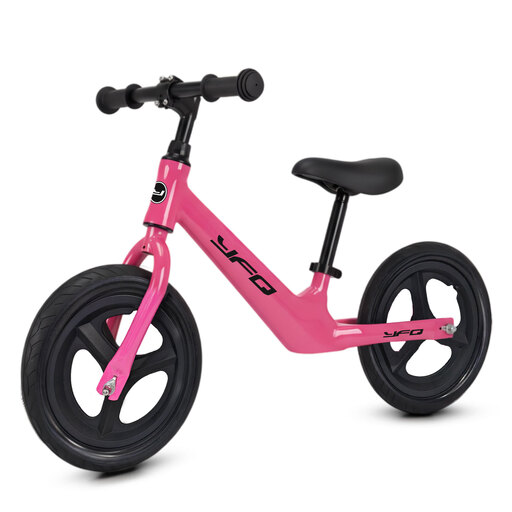
Why this choice suits this profile: This model is aimed at those looking for an adjustable, easy-to-maintain balance bike with a pink finish and practical features.
The model focuses on practical features rather than a collection of decorative accessories: adjustable saddle, airless tyres and a stand.
Pedal-free design for learning balance, adjustable saddle and parking stand.
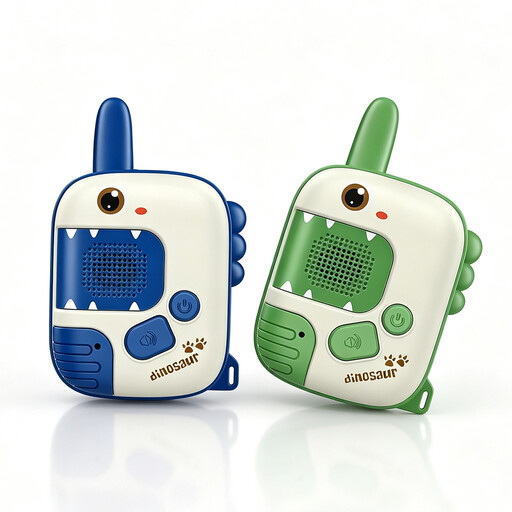
Why this choice suits this profile: This communication toy is great for role play, garden adventures and activities to share between parents and children. The "press to talk" function is instantly understandable.
The stated range of 305 metres (1000 feet) applies in open terrain: it should not be taken as a guaranteed distance through several walls. The six AAA batteries are not included.
Two units, lanyards and back clips. The product is recommended from age 3; the presence of small parts means safety instructions must be followed.
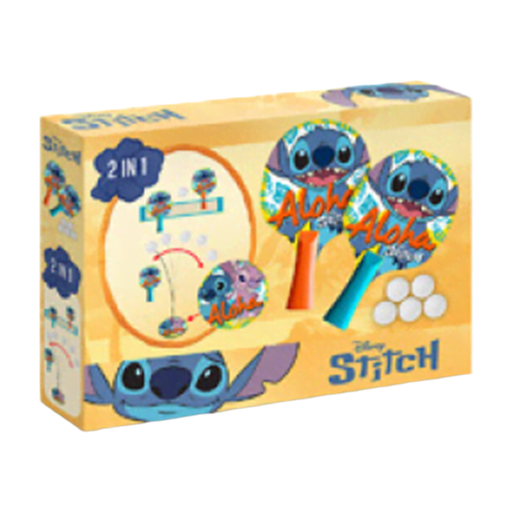
Why this choice suits this profile: This set allows solo play with the flexible rod or two-player games with the bats and net. Families can vary the activities and difficulty level.
The self-standing support means you can start without waiting for a partner to be free. However, the suction cups must be placed on a smooth surface and checked before playing.
Two bats, five balls, a foldable net and a 360-degree flexible rod. Assembly must be done by an adult and supervision is recommended.
We've put together a comprehensive, real-time updated selection of products that meet these demanding criteria as well as European safety regulations.
A children's ping-pong set helps with visual tracking, precision of movement and mobility, provided you adapt the speed and distance. A balance bike works on balance and overall coordination more. The right choice therefore depends on the skill you want your child to develop and the space you have available.
How long it lasts depends on the child's height, the saddle adjustment range, how often it's used and the overall condition of the balance bike. Check the wheels, saddle and fixings regularly. If the knees are too bent or the position becomes uncomfortable, it's time to adjust it or move up to a larger model.
The budget varies depending on the type of toy and the accessories included. A balance bike, a set of walkie-talkies or a table tennis set don't serve the same purpose. Compare what's in the box, the batteries and consumables you'll need, the conditions of use and the age warnings. The price tag doesn't always tell the whole story.