
Livraison le jour même ou le lendemain

Qualité garantie

Débloquez vos offres de bienvenue: Livraison GRATUITE | Jusqu'à -80 % | 30 jours d'essai gratuits à JoyPlus
Téléchargez l'application
Replacing pasta, rice, or traditional snacks can be a challenge when you're watching your weight or carb intake. This is where konjac, a popular plant from Asia, comes in. Available as noodles, pasta, or even snacks, it provides an ultra-light base for countless recipes.
This guide is designed to help you navigate the wide array of edible konjac products. We'll review the essential criteria and present our top selections to help you choose the perfect product for your tastes and objectives.
Before you fill your shopping cart, here are a few key points to consider to find the konjac product that's right for you.
Konjac comes in many forms. For a main course, konjac noodles (the famous shirataki) or konjac pasta are ideal. They pair perfectly with soups, stir-fries, or saucy dishes. For a quick and portable option, a konjac snack in an individual pouch is the perfect solution to toss in your bag.
While pure konjac is famous for being virtually zero-calorie, processed products often include other ingredients (sauces, oils, spices). It's crucial to check the label to verify the carbohydrate, fat, and salt content. A good pasta alternative should have a nutritional profile that aligns with your goals.
Some konjac products require a thorough rinse under cold water to remove the slight preservative odour. Others, like snacks, are ready-to-eat. Manufacturers are constantly innovating to offer products without this particular smell. As for the texture, which is generally firm and springy, it can vary significantly from one brand to another.
Here is our selection, showcasing the full diversity of the konjac market.

What sets it apart: This snack is a true taste experience. Its texture, which mimics that of tripe, is a surprising mix of crunchy and soft. The spicy oil and sesame seasoning gives it a rich, bold flavour that will appeal to those who love a spicy kick.
Highlights:
Who is it for? Ideal for those who want a flavourful, spicy snack to enjoy on the go, at the office, or as an appetiser.
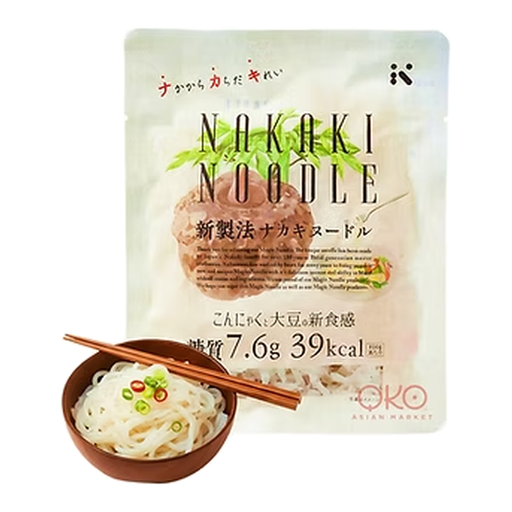
What sets it apart: These konjac and soy noodles are the ultimate neutral base for your meals. With only 39 kcal per 100 g, they are a fantastic replacement for regular pasta without racking up the calories. The addition of soy gives them a particularly pleasant texture.
Highlights:
Who is it for? Perfect for those watching their weight or following a low-calorie diet, but who don't want to give up the pleasure of a good pasta dish.
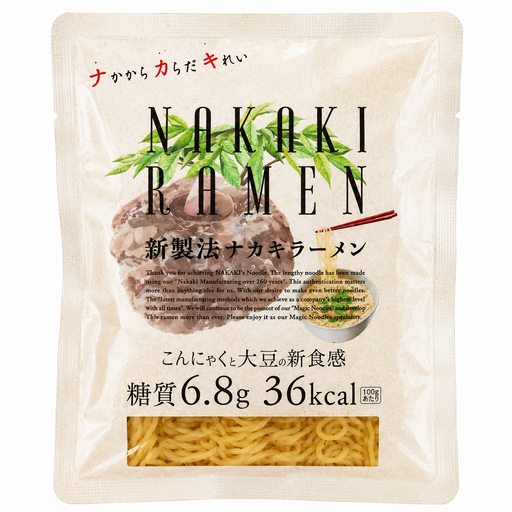
What sets it apart: Designed for fans of Japanese cuisine, this diet-friendly ramen has a firm, springy texture that perfectly absorbs broths and sauces. The manufacturer, Nakaki, states that a unique production technology eliminates the odour sometimes associated with konjac.
Highlights:
Who is it for? For lovers of ramen and Asian dishes looking for a lighter version, as well as for anyone following a low-carb diet.
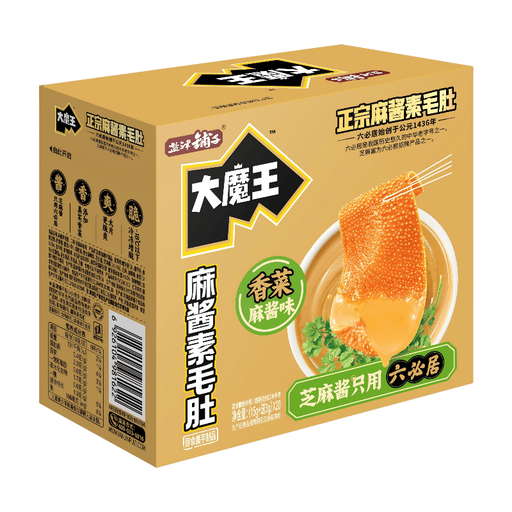
What sets it apart: This snack stands out with its complex, gourmet flavours, combining the richness of sesame paste and peanut butter with the freshness of coriander. Its firm and pleasant texture makes it a truly satisfying snack.
Highlights:
Who is it for? For fans of intense Asian flavours who are looking for a convenient and out-of-the-ordinary snack.
The world of low-carb foods extends far beyond just konjac. If you want to explore other options for your appetisers or snacks, there is no shortage of choices.
To discover a wider range of low-carb-friendly options, explore our selection of keto party snacks.
Edible konjac comes from the root of an Asian plant, Amorphophallus konjac. This root is very rich in a soluble fibre called glucomannan. Once processed, glucomannan forms a gel-like substance that can be moulded into konjac noodles, pasta, blocks, or even pearls. Its main feature? It contains almost no calories or digestible carbs.
Preparing shirataki is incredibly simple. Most are sold in a liquid preservative. Here are the steps to follow:
Pure konjac is indeed very low in calories, as it is 97% water and fibre that our bodies do not digest. This is why it's often called a "zero-calorie" food. However, be sure to read the label of the final product. Noodles, pasta, or snacks may contain other ingredients (soy, starch, sauces) that do add calories. The "0 kcal" label is often marketing shorthand; it is more accurate to call it a very low-calorie food.