
Livraison le jour même ou le lendemain

Qualité garantie

Débloquez vos offres de bienvenue: Livraison GRATUITE | Jusqu'à -80 % | 30 jours d'essai gratuits à JoyPlus
Téléchargez l'application
Once confined to Asian restaurants, dried seaweed is now becoming a staple in our kitchens. And that's excellent news! Whether you're a maki pro, looking for a unique appetiser, or simply curious about exploring new flavours, the seaweed aisle has plenty of surprises in store. But between the essential nori seaweed for sushi, the delicate wakame seaweed for miso soups, and addictive crispy snacks, how do you navigate the options?
I'm the Head of Product Recommendations at Joybuy, and my mission is to clear the path for you. This guide is designed to demystify the world of edible dried seaweed and help you find the perfect product, whether you're dreaming of a Japanese feast or just want to spice up a simple salad.
To make the right choice in the Asian cooking ingredients aisle, focus on three key criteria.
A different seaweed for every dish! To start, mastering the two star varieties on the market will save you from common mistakes:
The format of the seaweed depends directly on what you plan to do with it:
Before you buy Japanese or Korean seaweed, a quick look at the ingredients list is a must. Some products are 100% natural (only dried seaweed), while others, like seaweed snacks, include seasonings (sesame oil, salt, sugar, spices). The choice will depend on your goal: a raw ingredient for cooking or a ready-to-eat product.
To put theory into practice, here is our selection of three products that cover all uses, from impromptu appetisers to the great classics of Asian cuisine.
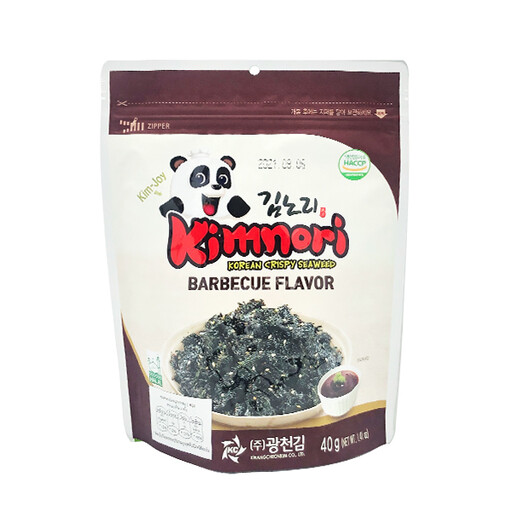
Why it stands out: These nori seaweed flakes are already roasted, seasoned, and ready to use. The barbecue flavour adds a smoky and slightly sweet touch that's a change from classic seasonings. It's an incredibly versatile product, halfway between a convenient snack and a game-changing condiment.
Pros:
Who is it for? For those looking for a flavourful, low-calorie seaweed snack, or who want to add a touch of flavour and texture to their everyday dishes with zero effort.
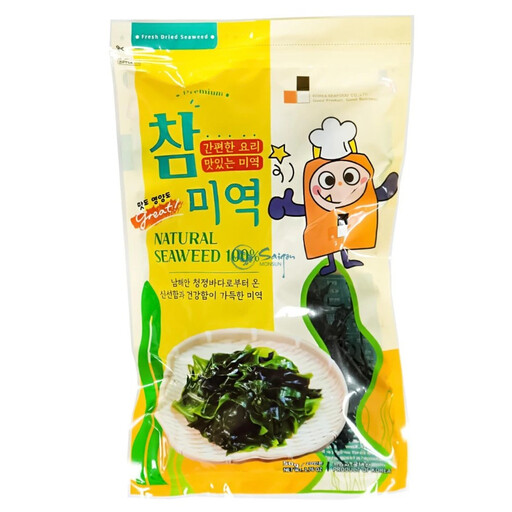
Why it stands out: This bag contains only dried wakame seaweed, with no additives. It's the ultimate base ingredient, giving you complete freedom for your own seasonings. Its 100% natural quality makes it a reliable choice for Asian cuisine purists.
Pros:
Who is it for? Ideal for home cooks who want to prepare authentic Japanese or Korean dishes. It's also an excellent choice for health-conscious individuals who prefer raw, unprocessed ingredients.
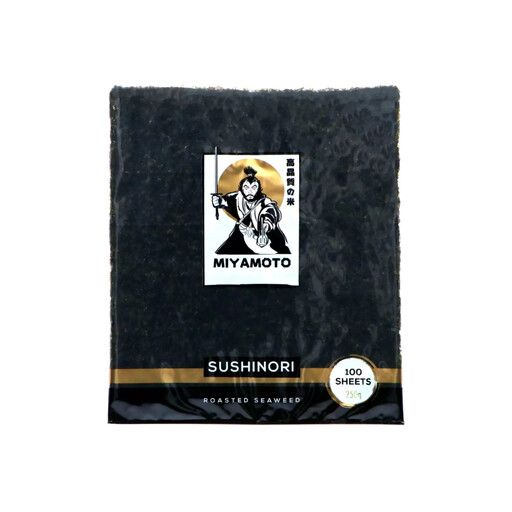
Why it stands out: The 100-sheet format is particularly appealing for those who make sushi regularly. These nori sheets for sushi are already roasted and come in a standard size (19 x 21 cm), making them ready to use for making maki and onigiri.
Pros:
Who is it for? This product is perfect for families, homemade sushi enthusiasts, and anyone who regularly hosts sushi nights. It's a smart investment to always have quality nori sheets on hand.
Our selection covers the essentials, but the world of seaweed is vast! To discover other gems for your kitchen and home, feel free to explore our other buyer's guides.
Discover Our Other Home Product Selections
Most dried seaweed should be stored in a cool, dry place away from direct sunlight. Once the package is opened, it's recommended to place them in an airtight container to preserve their texture, especially the crispness of nori sheets. Nori packages often contain a small desiccant packet that should not be eaten.
Nori seaweed is a type of red algae that is pressed and roasted into thin sheets, mainly for sushi. Its texture is fine and crispy. Wakame seaweed is a type of brown algae, sold in dried pieces that need to be rehydrated. It has a more tender and slightly gelatinous texture, making it ideal for soups and salads.
It all depends on the type of seaweed. Roasted nori sheets and seasoned seaweed snacks are made to be eaten as is. On the other hand, seaweeds like wakame must be rehydrated in water before consumption to achieve a pleasant texture. A word of advice: always read the instructions on the packaging.