
Livraison le jour même ou le lendemain

Qualité garantie

Débloquez vos offres de bienvenue: Livraison GRATUITE | Jusqu'à -80 % | 30 jours d'essai gratuits à JoyPlus
Téléchargez l'application
Providing the best nutrition for your cat is a top priority, and the "grain-free" label is certainly eye-catching. However, navigating the overwhelming world of pet food can quickly become a headache. Between marketing jargon and endless ingredient lists, it's easy to feel lost. This guide is here to bring you clarity and help you focus on the criteria that truly matter for the health of your four-legged companion.
Before you fill the food bowl, here are the most common pitfalls to avoid:
To make an informed choice, don't just rely on the packaging. Learning to read the ingredient list and the analytical constituents table is your best asset. Here are the three essential points to verify.
The cat is a strict carnivore. Its digestive system is primarily designed to metabolise animal proteins. Therefore, the first ingredient on the list must be a clearly identified source of fresh meat. Terms like "fresh chicken" or "fresh salmon" indicate that the ingredient has not undergone heavy processing before being included in the recipe. This is a mark of quality and high digestibility for a truly balanced grain-free cat food.
This table details the percentages of protein, fat, fibre, and ash. For an adult cat, aim for a high crude protein level (above 30%) to maintain muscle mass. For a neutered cat with a slower metabolism, a moderate fat content is crucial for weight management, without sacrificing the quality of the protein intake.
An excellent dry food for adult cats goes beyond basic macronutrients. The presence of functional ingredients like prebiotics (FOS and MOS, from chicory or yeast) is a real bonus for balancing the gut flora. This is a major asset for cats with sensitive digestion. Natural fibre sources, such as beet pulp, also help regulate the digestive tract.
Because every cat is unique, so are its needs. To guide you, here is our selection of targeted recipes for different profiles.
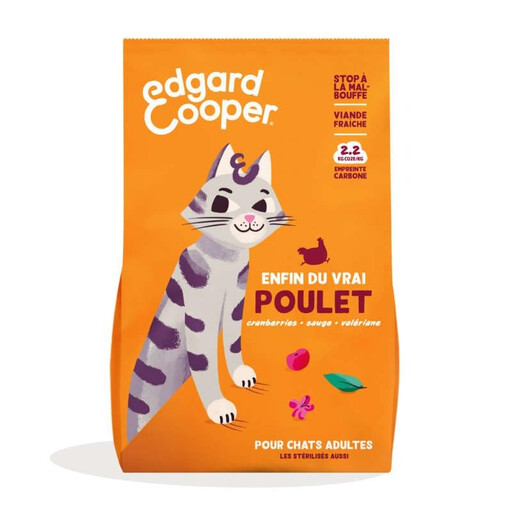
Why we chose it: Specially designed for delicate stomachs, this recipe features fresh chicken as the #1 ingredient and is grain-free to ensure optimal digestibility. The addition of prebiotics helps support intestinal health.
The ingredient list is crystal clear: 50% free-range fresh chicken is at the top. No grains replaced by unnecessary fillers, and no artificial additives.
A pro-digestion cocktail that combines fresh meat, fibre, and prebiotics (MOS and FOS).
Why we chose it: This recipe is specifically formulated for neutered cats. Its high protein content helps maintain muscle mass, while its controlled fat content helps manage weight gain—a major concern after neutering.
It offers a complete and targeted nutritional solution, unlike "light" formulas that often sacrifice protein quality in favour of lower fat content.
A protein-to-fat ratio perfectly calibrated for the metabolism of neutered cats.
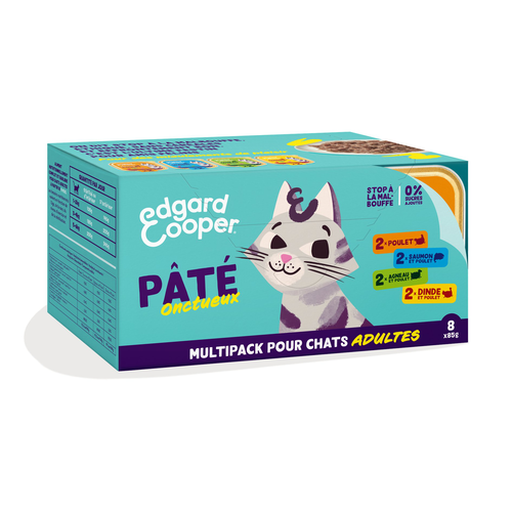
Why we chose it: Perfect for picky eaters and for boosting daily hydration. This pack mixes up the flavours to stimulate appetite, all while adhering to the brand's core principles: lots of fresh meat and a grain-free recipe.
The composition is transparent, with a high percentage of real meat (e.g., Chicken 59%), not vague "by-products". The texture is a true p?té, with no artificial colourants or flavours.
A two-fold benefit: enhanced hydration and maximum palatability thanks to its smooth texture and varied flavours.
We have put together a complete selection of products that meet our demanding quality criteria.
To avoid any digestive upset, a gradual transition is essential. Over a period of 7 to 10 days, mix a growing amount of the new kibble with your cat's old food until it is completely replaced. Carefully monitor their stools and general behaviour during this period.
A grain-free diet can be beneficial for many cats, especially those with digestive or skin sensitivities. However, the most important factor remains the quality and digestibility of the protein sources. If your cat is doing well on their current food, a change is not mandatory. If in doubt, or if your cat has specific health issues, your veterinarian's advice is paramount.
Fresh meat (or fresh chicken, fresh salmon, etc.) is a minimally processed ingredient, cooked only once during the kibble manufacturing process. It thus retains a large part of its nutrients and flavour. Meat meal is a dehydrated product, obtained after cooking and grinding carcasses and/or animal by-products. Its quality is highly variable, and its digestibility is generally much lower than that of fresh meat.