
Livraison le jour même ou le lendemain

Qualité garantie

Débloquez vos offres de bienvenue: Livraison GRATUITE | Jusqu'à -80 % | 30 jours d'essai gratuits à JoyPlus
Téléchargez l'application
Choosing ECOODA fishing gear may seem straightforward if you only compare prices or product design. However, a rod designed for bass fishing from the Breton coastline will not necessarily meet the demands of a boat trip or a freshwater session.
The main risk is putting together an unbalanced setup: a rod that is too powerful for small lures, a baitcasting reel that is unsuitable for the line being used, or braided line whose diameter does not match the technique. Here are the key points to check before ordering, along with a selection of ECOODA products for different types of anglers in France.
A rod intended for bass fishing should offer a casting-weight range suited to the lure weights and conditions you are likely to encounter. A very powerful rod is not necessarily more versatile: with small lures, it may feel cumbersome and make accurate casting more difficult.
For all-round use, check the casting-weight range, length and action listed on the product page. These details are far more useful than broad claims such as “professional” or “reinforced.”
The stated breaking strength of PE fishing line is not enough to assess its quality. Its diameter, braiding consistency, suppleness and compatibility with the reel also have a direct impact on casting distance and the risk of backlash.
When fishing at sea, rinse the line with fresh water after every outing. Salt can build up in the guides, on the spool and around the drag. A fluorocarbon leader can be a smart choice when greater stealth or abrasion resistance is required, but it does not always replace the main braided line.
A baitcasting reel requires the magnetic or centrifugal brake, drag and spool tension to be adjusted correctly. A lightweight model can be particularly comfortable with a responsive rod, provided you check its line capacity and balance with the rod.
Before buying, start by identifying your technique: soft lures, hard baits, jigging, bass fishing or casting from a boat. In saltwater, the equipment must also withstand repeated rinsing and regular exposure to moisture.
For a boat fishing rod, the length should suit the available space and your position on board. A shorter rod makes it easier to move around the gunwale, while a longer model can help with casting from beaches or rocky shorelines.
Pay close attention to:
ECOODA models described as bass and freshwater rods may be suitable for several environments. Their true compatibility nevertheless depends on the lure weight being used and the chosen technique.
A well-balanced setup reduces fatigue and improves lure control. Start by matching the reel to the rod’s weight, then check the spool capacity and recommended line range.
For PE fishing line, check the diameter or PE rating shown on the product page. A fine braid can improve casting distance, but it requires a correctly adjusted drag and a suitable leader. For fluorocarbon, compare the diameter, available length and stated strength with the size of the fish you are targeting.
100 g, 120 g and 150 g inchiku jigs should not be selected based solely on the target species. Current, depth, wind and your ability to keep the lure close to the bottom are equally important factors.
The rod must be able to cast the chosen weight without exceeding its rated power range. For a sea-fishing trip, carry several weights so you can adapt the lure presentation to the conditions on the day.
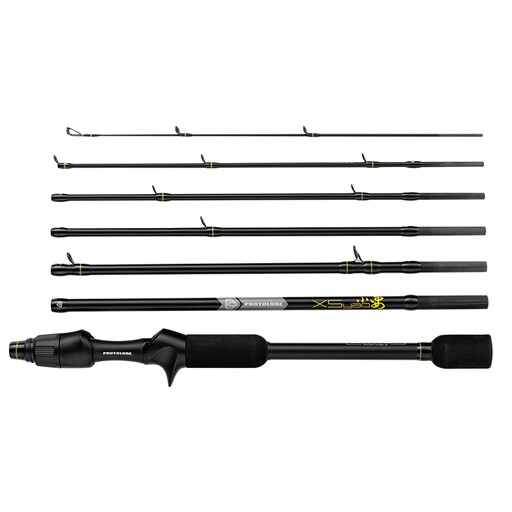
Why it suits this profile: This saltwater and freshwater rod is designed for anglers who want to start with equipment that can adapt to a range of situations, from bank fishing to coastal outings.
Check the casting-weight range before buying to avoid using lures that are too heavy or too light for the rod.
The product name suggests a design geared towards bass and freshwater fishing. Even so, check the detailed dimensions on the product page before ordering.
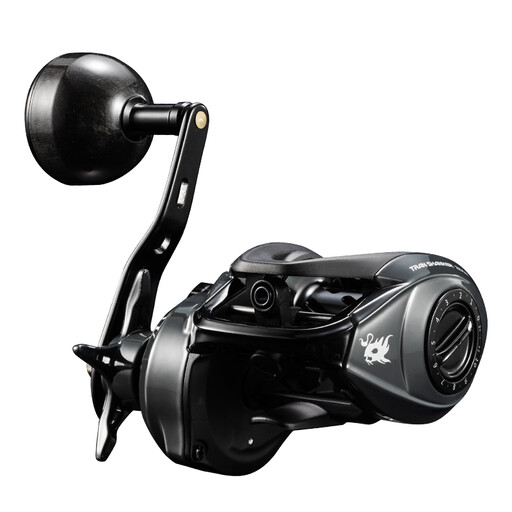
Why it suits this profile: The “Lightweight” designation indicates a light reel designed for repeated casting and compact setups. Its capacity and adjustment range should still be checked before buying.
Do not confuse low weight with limited capacity: check the compatible PE line type as well as the drag settings.
Its advertised lightweight format may be a strong match for a lure rod, particularly during sessions where in-hand comfort makes all the difference.
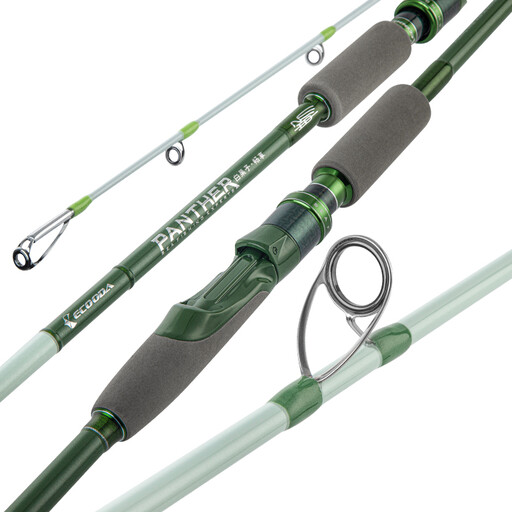
Why it suits this profile: This boat rod is intended for offshore trips and configurations where keeping equipment compact on board is essential.
Before using a 100 g, 120 g or 150 g inchiku jig, check the accepted lure weight and the rod’s power rating.
The product page presents it as a lightweight offshore rod. Rinsing it with fresh water remains essential after every sea-fishing trip.
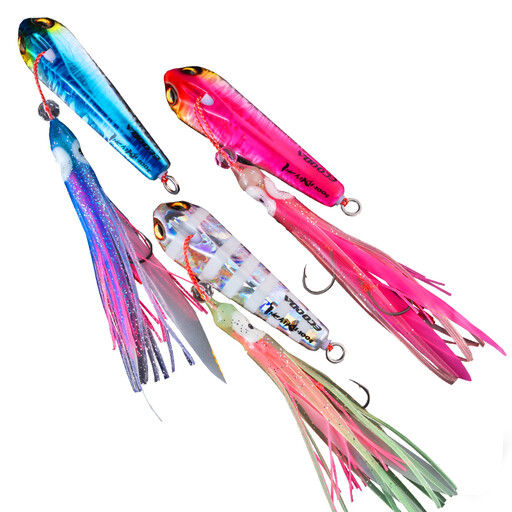
Why it suits this profile: This 150 g lure is designed for anglers who practise offshore jigging in conditions where a heavier weight is needed to reach or maintain the desired depth.
Do not choose 150 g automatically: take depth, current and the power of the rod being used into account.
The model is available in six colours, as well as 100 g and 120 g versions, so you can adapt your choice to the fishing conditions.
To build a coherent setup, match the rod and reel first, then choose the line. A fluorocarbon line can be used as a leader ahead of ECOODA Cyan blue PE WXPE836 braid. Its length and diameter should be adapted to water clarity, underwater structure and the fish you are targeting.
The ECOODA Star Flame Casting Reel X600 Big Power models are another option for anglers looking for a powerful baitcasting reel. Check the product page to compare the available variants, spool capacity and drag settings.
For lure fishing for bass, the ECOODA Protolure CC 2sec Sea Bass Rod models are listed for both freshwater and saltwater use. Nevertheless, check the precise specifications of each variant: different references may correspond to different setups.
The compliance information provided for these products identifies WEIHAI ECOODA OUTDOOR PRODUCTS CO., LTD. as the manufacturer, with JINGDONG RETAIL (FRANCE) SAS, 4 rue de la Luzernière, 93440 Dugny, as the responsible person in the European Union. Always consult the page for the model you choose for the latest information, delivery terms and technical specifications.
Explore a regularly updated selection of rods, reels, lines and lures to build your saltwater fishing setup around your technique and budget.
Start by checking the recommended line range on the rod’s product page, along with the reel’s capacity. PE braid can be used as the main line, with a fluorocarbon leader when stealth or resistance to contact with rocks is a priority.
Yes, provided you take the time to learn how to adjust the spool tension and brake. Start with a lure that is heavy enough to stabilise the spool, then fine-tune the settings gradually. After using the reel at sea, lightly rinse it with fresh water and never submerge it.
Rinse rods, lures, lines and reels with fresh water after every sea-fishing trip, then allow them to dry before storing them. Avoid leaving damp braid in a closed bag. Regularly inspect the guides, knots, leader and drag so you can identify signs of wear at an early stage.