
Livraison le jour même ou le lendemain

Qualité garantie

Débloquez vos offres de bienvenue: Livraison GRATUITE | Jusqu'à -80 % | 30 jours d'essai gratuits à JoyPlus
Téléchargez l'application
Choosing ECOODA fishing equipment might seem straightforward, but product listings can sometimes blur the lines between techniques, sizes and uses. A rod advertised for sea bass won't necessarily be suitable for trout in a small river. Likewise, a casting reel doesn't set up the same way as a spinning reel.
Before you place your order, three mistakes crop up time and again:
Product listings can also offer very similar variants. So take the time to check the full reference, the photos, the package contents and the delivery conditions before finalising your purchase.
For lure fishing in rivers, lakes or ponds, a spinning reel is often the easiest to get to grips with. It's used with a lure rod whose guides face downwards. This setup works well for trout, pike and medium-sized fish.
A casting reel is better suited to anglers who want precise control over casting and retrieval. It can be useful with larger lures, provided you master the spool tension adjustment and the magnetic or centrifugal brake, depending on the model.
In the ECOODA range, the Star Flame X600 and ETS Casting Reel Lightweight are casting reels. The SXF Shadow Seeking models, on the other hand, are presented as spinning reels intended for rivers, lakes and streams.
A shorter rod makes casting easier in wooded areas and small rivers. A longer rod can offer greater distance from an open bank, but it will also be more cumbersome to transport.
The power should match the weight of your lures and the strength of your line. A rod that's too powerful will reduce the feel on a small trout. Conversely, a rod that's too light may lack the backbone for a heavy lure or a fighting fish. The action – fast or progressive – affects how the rod responds during the retrieve and when you set the hook.
For a rod intended for sea bass, check whether it's designed for freshwater, saltwater or both. The ECOODA Protolure CC 2sec Sea Bass Rod models are advertised for sea bass fishing in both freshwater and saltwater. That doesn't let you off the hook when it comes to rinsing with fresh water after every coastal session.
A carbon rod is generally appealing for its lightness and sensitivity, but it remains vulnerable to knocks. Inspect the guides and their inserts regularly, especially after using braided line or when the gear has been exposed to sand.
The ECOODA Carbon Lure Rod claims Fuji SIC guides and O-ring joints. These features match what's stated on the product listing – they don't, on their own, guarantee the gear's longevity. To preserve it, dry the rod before storing it, loosen the reel's drag and avoid leaving damp line inside a closed sleeve.
For fishing accessories, also check the dimensions and care instructions. The TOP-EX UV-protection fishing hat comes in several sizes, with a drawstring closure, a stated UPF 50+ rating on the listing and hand-wash care. This information comes from the product listing and should be confirmed on the order page.
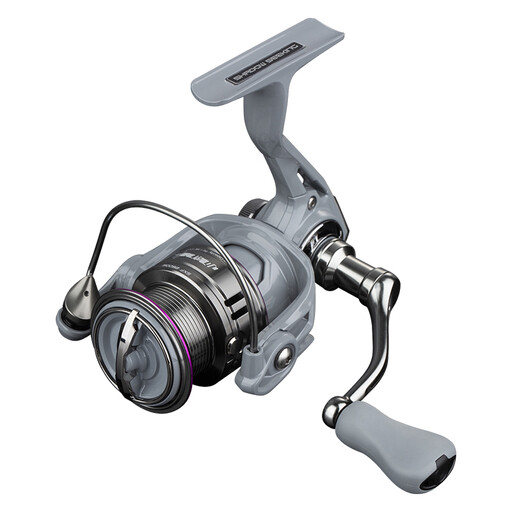
Why this choice suits this profile: Its name mentions rivers, lakes and streams. Its spinning configuration is accessible for your first freshwater outings.
The listing specifies the fishing environment, which stops you from choosing the reel based solely on a vague promise of versatility.
A spinning configuration and stated use across several freshwater environments.
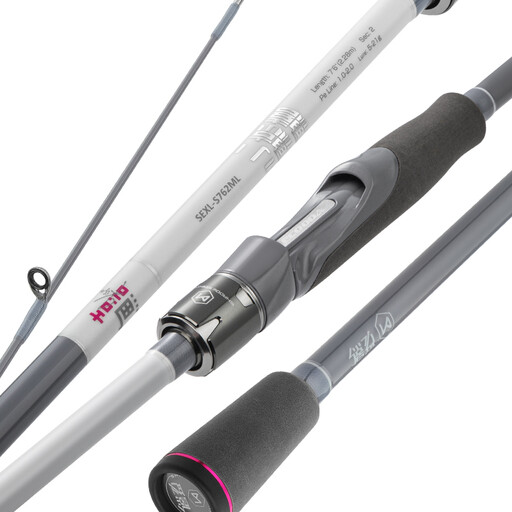
Why this choice suits this profile: This lure rod claims a carbon construction, Fuji SIC guides and compatibility with bass, trout and carp.
The components are clearly stated in the product name – you can then cross-reference them with the length and power listed on the product page.
A claimed carbon construction, Fuji SIC guides and stated compatibility with three types of fish.
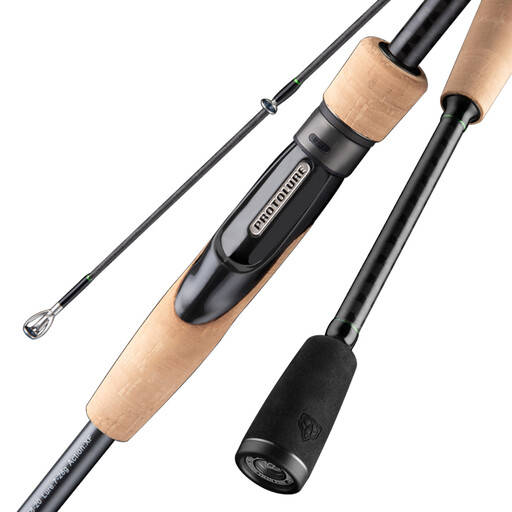
Why this choice suits this profile: Its stated compatibility with both freshwater and saltwater suits anglers who switch between rivers, lakes and coastal sessions.
Use in both freshwater and saltwater is clearly stated. Rinsing after any contact with saltwater is still essential, though.
A two-section rod, according to its name, advertised for sea bass fishing in freshwater and saltwater.
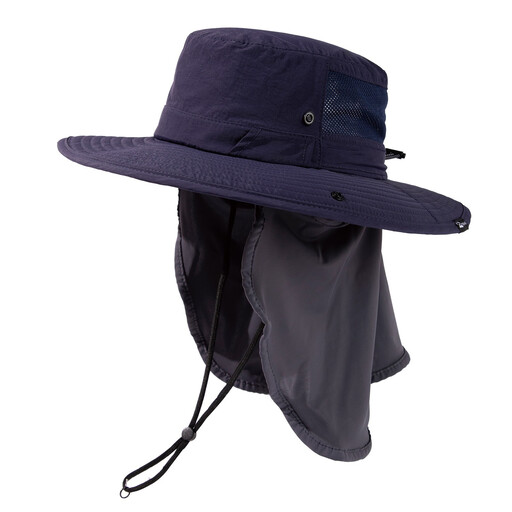
Why this choice suits this profile: This accessory completes a fishing outfit for long days by the water, on a kayak or during other outdoor activities.
The sizes, adjustable drawstring and hand-wash care are stated – check your head circumference before buying.
100% nylon, removable or foldable neck flap, packable design and stated UPF 50+ protection on the listing.
We've put together a comprehensive, real-time updated selection of products that meet these exacting criteria as well as European safety regulations.
The lifespan of your gear depends on how it's transported, how often you use it and how well you look after it. After every saltwater session, gently rinse the reel and exposed parts, then leave them to air dry. Avoid high-pressure jets – they can force salt or sand deeper into the mechanisms.
Transport the rod in a suitable sleeve and don't lay it directly on stones. Before each outing, inspect the guides, handle, reel handle and drag. For a purchase in the UK, also check the information provided by the manufacturer, the identity of the responsible party established in the European Union when stated, as well as the warranty and return conditions.
A lure rod and spinning reel combo is generally the easiest to get started with. Pay particular attention to the rod length, its power relative to your lures and the reel size. In a small trout stream, it's better to go for a manageable setup than gear designed for big fish.
That depends entirely on what the product listing says. A reel that isn't presented as suitable for saltwater shouldn't be used as if it had specific anti-corrosion protection. If you fish regularly in saltwater, choose a model explicitly designed for that purpose and rinse it after every session.
Plan for a suitable line, lures that match the rod's power, a pair of pliers, a disgorger, a waterproof box and a means of transport. A UV-protection fishing hat can also improve comfort during long sessions. Before ordering, always check the sizes, materials and care instructions.