
Livraison le jour même ou le lendemain

Qualité garantie

Débloquez vos offres de bienvenue: Livraison GRATUITE | Jusqu'à -80 % | 30 jours d'essai gratuits à JoyPlus
Téléchargez l'application
Choosing ECOODA fishing equipment may seem straightforward when product pages highlight claims such as “high quality”, “great depth” or “high resistance”. However, these descriptions are too vague to help you put together a truly well-matched set-up, whether you fish at sea, in rivers, lakes or fresh water.
A fishing rod that is too powerful for a lightweight lure will lack precision. Conversely, choosing the wrong PE line can reduce casting distance or make it harder to land a predatory fish. Here are the key criteria to consider before placing your order.
A rod marketed as a “sea bass” model may suit several situations. Its actual use depends on its length, power, action and casting-weight range. You should check this information directly on the product page.
The same applies to a spinning reel: this term describes the reel’s general design, but does not necessarily tell you the spool size, retrieve ratio or line capacity.
A PE fishing line should be selected according to its diameter, stated strength and the fishing environment. At sea, you should take particular account of abrasion against rocks, quaysides and shellfish. In rivers, stealth and casting accuracy may be more important.
The lure’s weight must also remain within the range specified for the rod. A 64 g minnow lure is neither cast nor worked in the same way as a small soft lure intended for perch.
Salt can quickly build up on guides, reels, hooks and clips. Without rinsing with fresh water, drying and carrying out regular inspections, wear can accelerate. With a trolling lure, pay particular attention to the condition of the hooks and frame after every outing.
For a rod intended for sea bass, pay particular attention to:
A sea bass rod used from the shore should be rinsed after every outing in salt water. In fresh water, salt is less of a concern, but impacts against banks, rocks and branches can still damage your equipment.
Before choosing a spinning reel, check:
The reel must be suitable for the chosen PE fishing line. A spool that is too small can reduce casting distance, while a poorly balanced set-up quickly becomes tiring during a long session.
The ECOODA WXPE836 is presented as a cyan-blue PE fishing line. Carefully compare the selected version, diameter, spool length and stated strength shown on the product page.
For a lure, its dimensions and diving depth are generally more informative than marketing claims. According to its product page, the ECOODA Cyan Blue Minnow Fish Shaped Lure 165DD Trolling 1pac weighs 64 g, measures 165 mm and can dive to 10 m. The listing also mentions size 2 SIKE 3509 5X hooks. These specifications make it more suitable for deep-water trolling, provided that the rod and line are capable of handling it.

Why this choice suits this profile : A PE line is an affordable starting point for building a set-up for river, lake or shore fishing at sea, provided you choose the right diameter for your technique.
The product reference lets you compare the version, diameter and strength directly, rather than relying solely on the “high quality” claim.
A clearly identified PE product reference in a cyan-blue colour. Compare the different listings to confirm the variant before ordering.
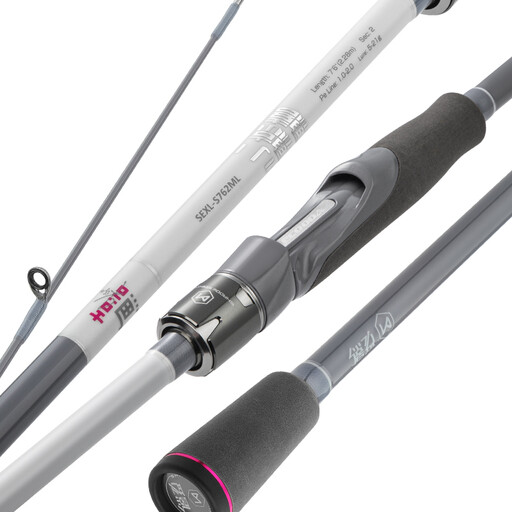
Why this choice suits this profile : This lure rod is aimed at anglers who want to examine the listed components for different species, including sea bass and trout.
The listed Fuji SIC guides and O-rings can be checked on the product page, without treating these components as a guarantee of performance.
Stated carbon construction. The product name mentions Fuji SIC guides.
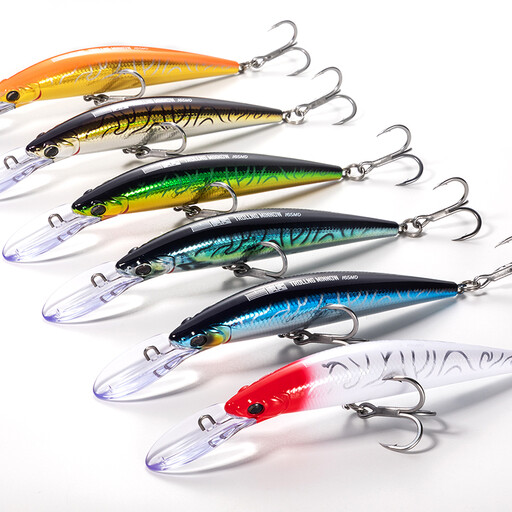
Why this choice suits this profile : Its size and diving depth are suited to anglers who troll at sea or in deep water and want a large minnow lure.
The stated maximum depth, weight and dimensions are clearly shown, helping you avoid pairing this lure with a rod that is too light.
Weight of 64 g. Stated depth of up to 10 m. Size 2 SIKE 3509 5X hooks mentioned.
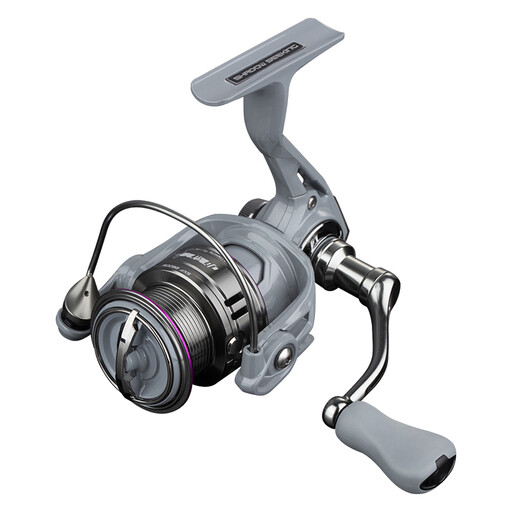
Why this choice suits this profile : This spinning reel is presented for use in rivers, lakes and streams. It may therefore suit versatile fishing, provided you check its specifications.
Its name indicates the intended environments, but you should still check the size, spool capacity and drag specifications before buying.
Stated spinning design. Listed for use in rivers, lakes and streams.
We have selected a complete, real-time updated range of products that meet these strict criteria, as well as European safety requirements.
To extend the life of your sea bass fishing equipment or fresh-water gear:
The products are associated with an identified manufacturer, WEIHAI ECOODA OUTDOOR PRODUCTS CO., LTD., as well as a responsible person in the European Union, as indicated on the product pages. Always consult the safety instructions, dimensions and terms of sale applicable to each product reference.
Start by checking the rod’s power range, then compare the line’s diameter and strength with the reel’s capacity. For sea bass fishing at sea, also use a leader that is sufficiently abrasion-resistant. In fresh water, focus on putting together a set-up that matches the weight of your lures and the size of the fish you are targeting.
No. The 165DD model featured here weighs 64 g and has a stated maximum depth of 10 m. It therefore requires a rod whose casting-weight range can accommodate this weight, together with a reel and line suitable for trolling. Remember to check local regulations and the areas where this technique is permitted.
Rinsing with fresh water, drying everything thoroughly and regularly checking hooks and knots takes only a few minutes. These simple steps mainly help you spot corrosion, wear or damage quickly before your next outing.