
Livraison le jour même ou le lendemain

Qualité garantie

Débloquez vos offres de bienvenue: Livraison GRATUITE | Jusqu'à -80 % | 30 jours d'essai gratuits à JoyPlus
Téléchargez l'application
Buying eco-friendly tableware? It seems easy. Yet, between misleading labels and greenwashing, it's all too common to end up with products that are neither durable nor truly "green". To prevent your good intentions from turning into a purchase you instantly regret, here are a few pitfalls to watch out for.
The first and most common pitfall is the deceptively "green" product. A prime example is the popular "bamboo fibre" tableware, which often conceals a mix of bamboo powder and melamine resin. The problem? Not only are these products generally not biodegradable, but they are also prone to cracking or damage very quickly, especially when exposed to heat.
Also, be wary of a product's true durability. A pretty plate that can't handle the dishwasher or microwave quickly becomes a daily inconvenience. If it gets damaged after just a few washes, you'll have to replace it—negating the initial environmental benefit. The goal of sustainable tableware is to reduce waste, not multiply it with products that are disposable in all but name.
To avoid being fooled by marketing slogans, focus on objective criteria. Here are the key points to check before you head to the checkout.
The term "eco-friendly" covers a jungle of materials, each with its own pros and cons. Knowing how to distinguish between them is the key to making the right choice.
Sustainable tableware should fit seamlessly into your daily routine. Before buying, look for the pictograms that indicate compatibility:
Also, consider the details: an eco-conscious placemat made from coated recycled textile can be cleaned with a simple wipe, unlike a raw fabric placemat that will quickly end up in the washing machine.
To guide you, we've selected three products that tick all the boxes, each suited to a specific need.
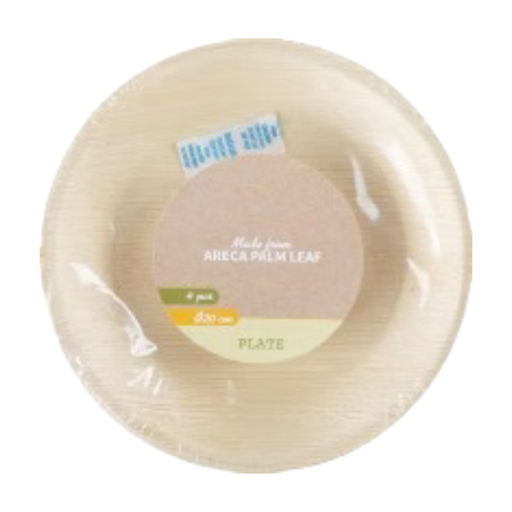
Why we chose it: Perfect for picnics, barbecues, or parties where you want to avoid plastic at all costs. A practical solution that doesn't sacrifice your eco-commitment.
No unpleasant surprises here: the product is sold for what it is—single-use, biodegradable tableware. It doesn't pretend to be a long-lasting item and fulfils its mission: to replace disposable plastic for an event.
Made from palm leaves, a natural and compostable material. Its raw, authentic look adds a unique touch to the table.
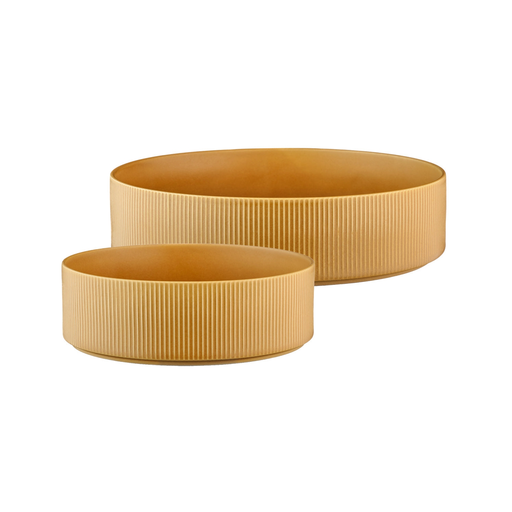
Why we chose it: For those who refuse to choose between design and eco-consciousness. This set of minimalist Scandinavian-style salad bowls is just as suitable for daily use as it is for entertaining guests.
It sidesteps the false-durability trap. Made from recycled stoneware, it is clearly dishwasher, microwave, and even oven safe (up to 220°C). This guarantees longevity and versatility for everyday use.
It combines a recycled material, a trendy Scandinavian design, and maximum practicality. The two sizes are stackable for optimised storage.
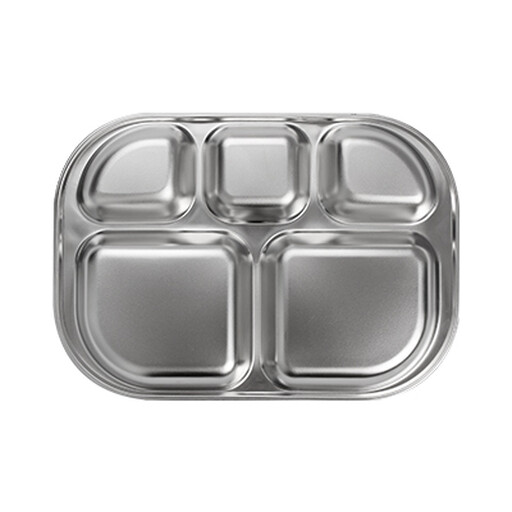
Why we chose it: The virtually unbreakable, hygienic, and ultra-practical solution for kids' meals, camping, or even portion control. Say goodbye to the endless cycle of chipped plastic or ceramic plates!
This stainless steel tray is the exact opposite of a fragile product. It withstands drops and repeated dishwasher cycles without a problem, ensuring a virtually unlimited lifespan and a minimal long-term environmental impact.
Made from food-grade 304 stainless steel, it is safe, indestructible, and easy to clean. The 5 compartments keep foods from mixing.
We have curated a complete selection of products that meet our criteria for durability and current standards.
It all depends on the product. Solid bamboo tableware (boards, salad bowls, etc.) must be hand-washed to prevent it from cracking or warping. As for items made from "bamboo fibre" mixed with melamine, they are often sold as dishwasher-safe, but repeated high-temperature washes can accelerate their degradation and potentially release components from the resin. Therefore, caution is advised.
The easiest way is to opt for single, proven materials like glass, stainless steel, or ceramic (ideally recycled stoneware). For wooden products, look for a certification like FSC, which guarantees responsible forest management. Finally, for disposable tableware, check for the "compostable" label and the raw material (paper, palm leaf, etc.).
A high-quality recycled stoneware plate is designed to last for many years, just like conventional ceramic tableware. Its robustness gives it excellent resistance to everyday chips and scratches. By following the usage instructions (dishwasher and microwave compatibility), it is an excellent long-term investment for your home.