
Livraison le jour même ou le lendemain

Qualité garantie

Débloquez vos offres de bienvenue: Livraison GRATUITE | Jusqu'à -80 % | 30 jours d'essai gratuits à JoyPlus
Téléchargez l'application
Eco-friendly kraft paper products meet many everyday needs: sending documents, preparing a parcel, organising a party, wrapping a gift or keeping a notebook. Their brown hue and natural look suggest a more responsible way of consuming, but appearances alone aren't enough to judge their environmental impact or quality.
Before you place an order, three common pitfalls keep cropping up:
The right choice starts with your intended use, then moves on to checking dimensions, strength and any certifications the manufacturer mentions.
Measured in g/m², grammage tells you how much material is used for a given surface area. On its own, it doesn't measure paper strength, but it's a good benchmark for comparing products in the same category.
For sending documents, a kraft paper of 90 g/m² offers a nice balance between flexibility and durability. A C5 envelope fits an A4 sheet folded in half, while a C4 format lets you send an A4 sheet flat. For wrapping a gift or working on a creative project, a roll of 70 g/m² is usually easier to cut and fold.
Check for any of the following:
A kraft adhesive tape without a coating can be sorted with cardboard, but you should always follow your local council's collection guidelines. Similarly, a kraft paper plate described as compostable shouldn't automatically go into your home compost bin: the rules vary depending on the materials, food residues and facilities available locally.
PEFC and FSC labels mainly tell you about the responsible origin or controlled management of forest fibres. On their own, they don't guarantee that the item is biodegradable, reusable or plastic-free.
For sustainable stationery, also look at a product page that clearly states the paper type, grammage, country of manufacture and the different components. If packaging is recyclable, remove any parts that belong to a different waste stream if the instructions ask you to.
The products below cover several uses: correspondence, creative hobbies, writing and wrapping. The features shown are based on the information provided for each item.
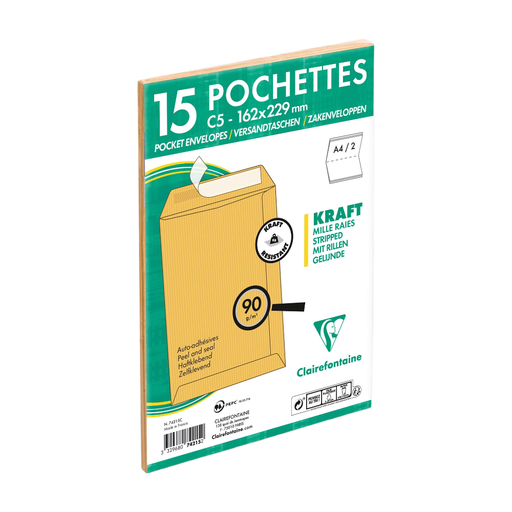
Why this suits this profile: The C5 format is ideal for sending an A4 sheet folded in half. The pack of 15 envelopes lets you get started without cluttering your cupboards with too much stock.
The size is clearly stated and the self-adhesive closure means you don't need to buy glue separately. The outer wrapping film should be sorted according to local guidelines.
Milleraies kraft paper at 90 g/m², PEFC certified, made in France and closure protected by a silicone strip.
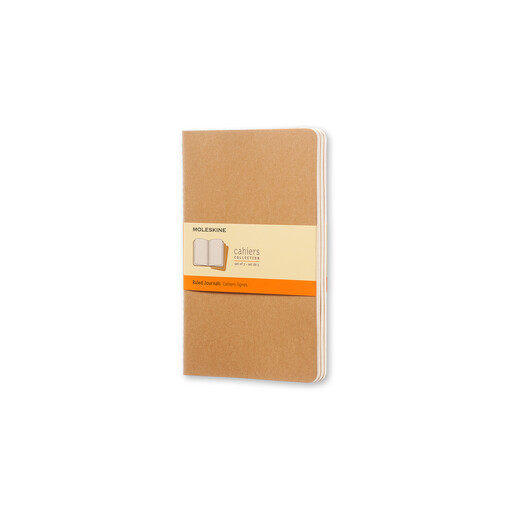
Why this suits this profile: This set is ideal for anyone who wants to keep their professional, personal and creative notes separate in sustainable stationery.
The product page states the number of notebooks, page type and grammage. You can check that the item matches your needs before buying, rather than relying solely on its kraft cover.
Acid-free, lined ivory paper at 70 g/m², hard cover, visible stitching and materials sourced from FSC-certified forests.
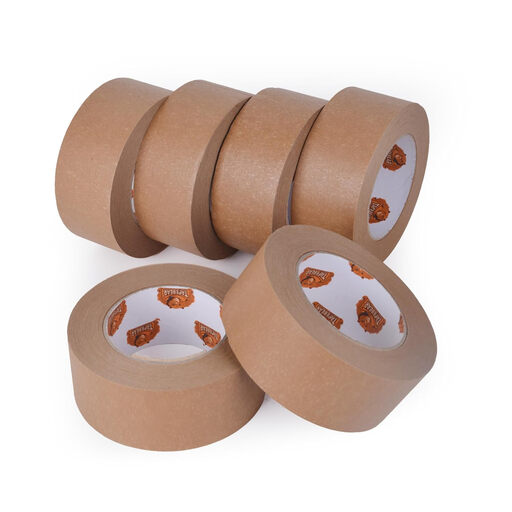
Why this suits this profile: Shop owners, associations and individuals who regularly seal cardboard boxes get six rolls of 50 mm x 55 m, with a surface designed for writing on.
The width and length are clearly stated, and the writable surface makes it easy to label parcels. Do check the adhesion on a clean, dry surface.
Kraft paper tape with no coating, tearable by hand and writable. The product page describes it as recyclable and biodegradable.
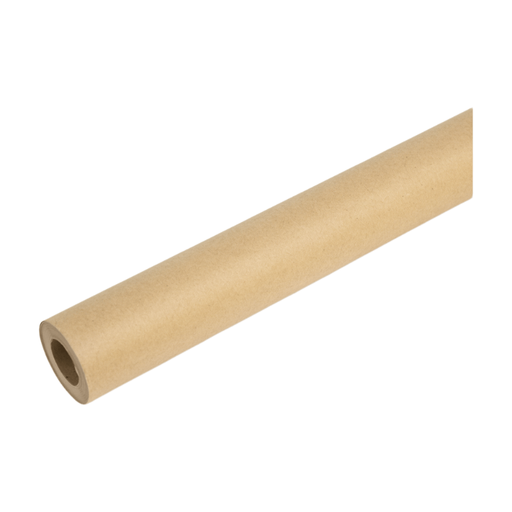
Why this suits this profile: At 3 m x 0.70 m, this roll is ideal for gift wrapping, model-making and decoration projects that need custom-sized pieces.
The length and grammage are shown before purchase. You can work out how many parcels you can wrap without mistaking a small roll for a larger supply.
Natural-coloured kraft paper, PEFC certified and made in France, according to the product page.
We've put together a full, real-time updated list of products that meet these demanding selection criteria as well as European safety regulations.
No. When it's clean and dry, plain kraft paper is usually sent to the paper and cardboard recycling stream. However, lamination, food residue, a plastic window or certain adhesives can change the sorting rules. Remove any parts that come off easily and check the guidelines set by your local authority.
PEFC and FSC are certification schemes linked to responsible forest management and the traceability of certain fibres. On their own, they don't tell you whether a product is biodegradable or recyclable, nor whether it's plastic-free. You need to look at the product's overall composition.
Keep them in a dry, temperate place away from direct sunlight. Humidity can make the paper warp and reduce the tape's stickiness. For self-adhesive envelopes, avoid removing the protective strip until you're ready to use them.