
Livraison le jour même ou le lendemain

Qualité garantie

Débloquez vos offres de bienvenue: Livraison GRATUITE | Jusqu'à -80 % | 30 jours d'essai gratuits à JoyPlus
Téléchargez l'application
Picnics, birthdays, barbecues... These social gatherings often create a mountain of waste. At the forefront: single-use plastic plates, a major challenge for our planet. Fortunately, much greener alternatives are now available.
This guide is here to help you navigate the options and choose the eco-friendly disposable plate that truly fits your needs. We'll scrutinise materials, sizes, and uses to help you make an informed choice, free from the usual marketing spiel.
To make the right decision, here are the key criteria to consider. The goal is to find a plate that ticks all the boxes for your event—and for your values.
This is the number one criterion. Each material has its own advantages, both aesthetically and environmentally:
The shape of the plate will naturally depend on what you plan to serve:
Even if you're looking for "disposable," considering a reusable option can be a smart move. A stainless steel plate, for example, costs more upfront but is an investment that quickly pays for itself by completely eliminating waste. It's a perfect zero-waste solution for daily family use.
To put theory into practice, here are three products that perfectly illustrate the different options available. We selected them for their relevance, design, and value for money.
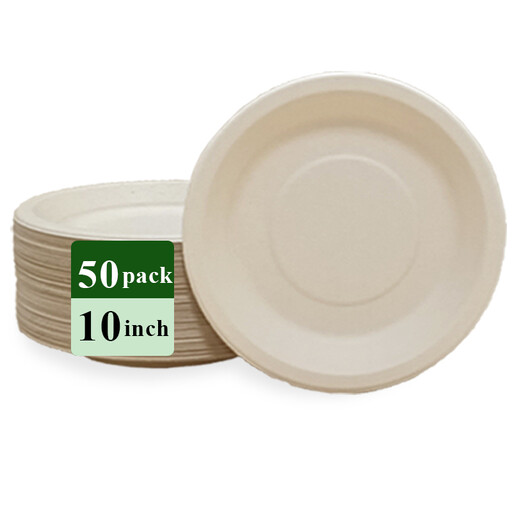
Why this product stands out: This 50-pack of bamboo fibre plates ticks the box for a generous size. With their 25.4 cm (10-inch) diameter, they can easily hold a full meal, making them perfect for large gatherings.
Advantages:
Who is it for?: Event organisers, large families, and anyone planning a big party who wants a simple and effective solution.
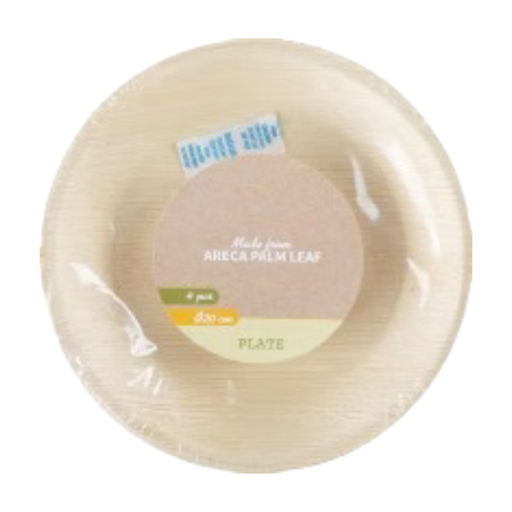
Why this product stands out: Here, the focus is on aesthetics. These plates combine the raw charm of palm leaf with the practicality of a deep-plate design. Each piece is unique and brings a touch of authenticity to your table setting.
Advantages:
Who is it for?: Those who want an elegant presentation for a dinner party or a small-group picnic, and are looking for a chic, eco-friendly option for their saucy dishes.
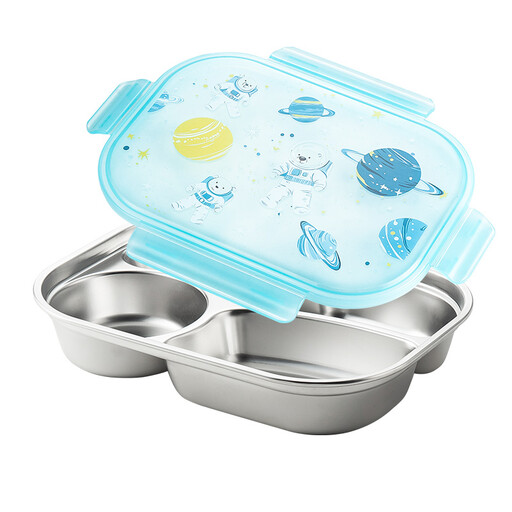
Why this product stands out: Moving away from disposables, this is a zero-waste alternative. This surgical-grade 316L stainless steel plate is designed to last a lifetime and perfectly meets the need to keep foods separate.
Advantages:
Who is it for?: Parents who want a healthy and virtually indestructible solution for their children's meals, as well as adults who are fans of batch cooking and packed lunches.
Our selection highlights a few eco-friendly gems, but the world of tableware is vast. If you'd like to explore other options, especially reusable ones, take a look at our complete category.
Discover Our Full Range of Tableware
To put it simply, a biodegradable plate breaks down naturally, but the time and conditions required can vary. A compostable plate goes a step further: it breaks down into compost (a great fertiliser) within a few months in an industrial or home composter. The key takeaway: all compostable items are biodegradable, but the reverse is not always true.
Absolutely. In fact, that's one of their key strengths. A well-made bamboo plate or palm leaf plate is much more rigid than a basic paper plate. It won't buckle under the weight of food or turn to mush at the first contact with salad dressing.
Generally, yes, but caution is advised. Most plant-fibre plates (bamboo, sugarcane, etc.) can tolerate a short time in the microwave to reheat a dish. The best practice is to always check the manufacturer's instructions. When in doubt, avoid leaving them in for too long or heating at full power.