
Livraison le jour même ou le lendemain

Qualité garantie

Débloquez vos offres de bienvenue: Livraison GRATUITE | Jusqu'à -80 % | 30 jours d'essai gratuits à JoyPlus
Téléchargez l'application
Choosing your dish soap—a trivial task? Not so fast. With an overwhelming number of options, it's easy to get lost among eco-friendly promises, "sensitive skin" formulas, and super-degreasing powers. The problem? Many products don't live up to their claims, leaving you with greasy dishes, tight, dry hands, and the feeling of being duped by slick marketing.
Before you head to the checkout, here are the 3 traps to avoid:
This guide is here to help you see things more clearly and focus on the criteria that truly matter.
To make an informed choice, you need to learn to read between the lines. Here are the three essential points to check before adding a product to your cart.
The most reliable criterion for an eco-friendly dish soap is the presence of a recognised label. In France and across Europe, the most common and stringent is the European Ecolabel.
This label guarantees that the product meets strict specifications throughout its entire lifecycle:
Spotting the flower logo of the Ecolabel is therefore the first step to avoiding the "greenwashing" trap.
If you have sensitive or reactive skin, terms like "sensitive skin dish soap" or "hypoallergenic" are a good starting point, but they aren't enough. The most reliable indicator is the phrase "dermatologically tested". This guarantees that the risk of skin irritation has been thoroughly assessed.
Also, take a look at the ingredients list. Opt for formulas without preservatives known for their allergenic potential (like isothiazolinones, MIT/BIT) and, if possible, choose products enriched with soothing agents like aloe vera or glycerin.
A good natural dish soap must, above all, be effective. Opt for concentrated formulas: a small amount goes a long way, which reduces product consumption and the number of packages used in the long run.
Some products go even further by guaranteeing degreasing effectiveness even in cold water (from 20°C), a real bonus for your energy bill. Finally, to optimise your budget and reduce waste, consider multi-packs or bulk formats. Buying in larger quantities lowers the cost per litre and means fewer trips to the store.
To illustrate how these criteria apply in practice, here is a selection of products that meet specific needs, based on information provided by the manufacturers.
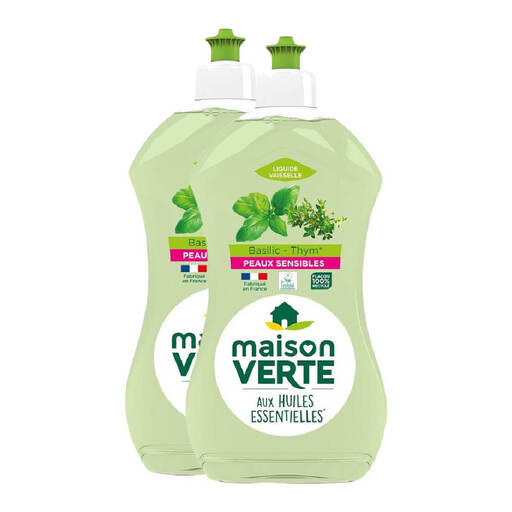
Its profile: Perfect for those who frequently have their hands in the sink and want to protect their skin without compromising on cleanliness.
Its formula is certified hypoallergenic and designed to minimise the risk of irritation. A direct answer to the trap of false promises of gentleness.
European Ecolabel certified. Plant-based cleaning agents for effective degreasing.
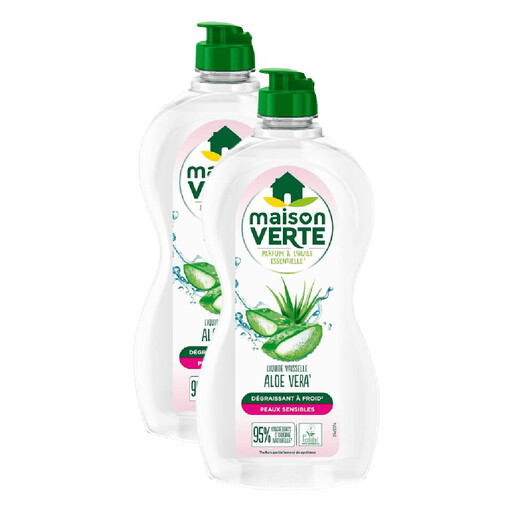
Its profile: For those who want to lower their energy bill by washing in cold water, without having to scrub endlessly on stubborn dishes.
Its "cold-water degreaser" formula is effective from 20°C. It debunks the myth that an eco-friendly product is less powerful and needs hot water to work.
Dermatologically tested. Formula with 95% ingredients of natural origin (including water) and Ecolabel certification.
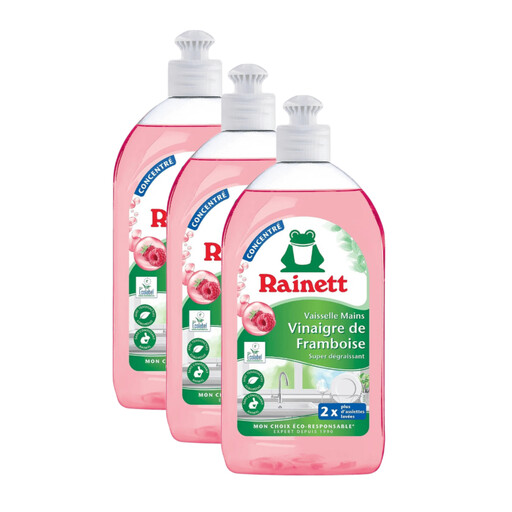
Its profile: For those looking for the best value for money. This multi-pack format combines powerful degreasing action with an unbeatable cost per litre, perfect for family use.
Its concentrated and "super degreasing" formula ensures maximum effectiveness and prevents product waste. The multi-pack format optimises the cost per wash.
European Ecolabel certified. Bottle made from 100% recycled and recyclable plastic.
Discover our complete selection of products that meet our exacting standards.
Yes, as long as you choose the right one. Products certified with the European Ecolabel undergo strict performance tests, guaranteeing a washing effectiveness comparable to that of market leaders. Concentrated formulas with powerful degreasing properties are particularly effective and economical to use.
Since the term "natural" is not regulated, it can be used indiscriminately. To avoid being misled, rely on official labels like the European Ecolabel. Also, take a look at the ingredients list: the presence of plant-based cleaning agents and the absence of controversial chemicals are excellent indicators.
Generally, yes. Buying in a multi-pack or in bulk can significantly reduce the cost per litre. It's also a positive step for the planet: less packaging and less transport mean a reduced carbon footprint. It's a practical and economical solution, especially for families or simply for making fewer shopping trips.