
Livraison le jour même ou le lendemain

Qualité garantie

Débloquez vos offres de bienvenue: Livraison GRATUITE | Jusqu'à -80 % | 30 jours d'essai gratuits à JoyPlus
Téléchargez l'application
Choosing the right diaper for your baby is a daunting task for many parents. Torn between the desire to protect their child's delicate skin and a growing environmental awareness, the market for eco-friendly and hypoallergenic diapers can be overwhelming. Packaging boasts "natural" and "gentle" benefits, but how can you separate marketing promises from real guarantees?
As a Product Expert at Joybuy, my mission is to help you navigate this complex choice. We've broken down the most common pitfalls so you can make an informed decision, without stress or unpleasant surprises.
The 3 Pitfalls to Avoid When Buying Diapers?:
To avoid these pitfalls, simply focus on a few objective criteria. These indicators will help you quickly and effectively judge a diaper's quality.
A baby's skin is up to five times thinner than an adult's, making it particularly permeable. A clean composition is therefore a non-negotiable criterion. Here are the elements to check for?:
Labels are your best allies for verifying a brand's promises. Here are the most common ones and what they mean?:
Every family has different needs. Here is our selection, based on brand transparency, reliable certifications, and how well the products suit specific user profiles.
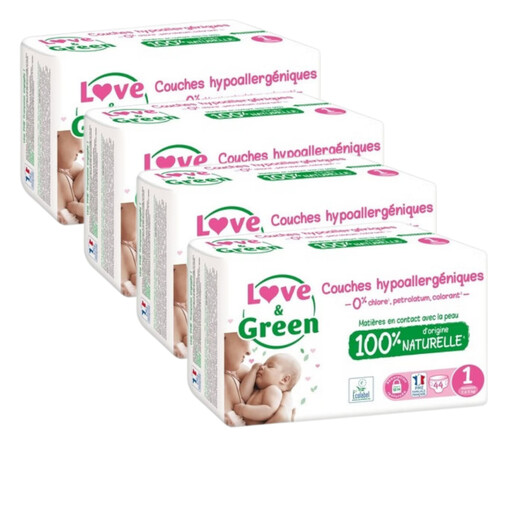
Why we chose it ? For the very first days, safety is the top priority. These diapers are specially designed for newborns, with an umbilical cord cutout and an ultra-gentle composition for the most delicate skin.
It avoids the pitfall of opaque composition with a transparent ingredient list and a total absence of lotions or fragrances. Its certifications (Ecolabel, FSC, Dermatest) are clearly displayed and verifiable.
The umbilical cord cutout is a detail that is as practical as it is reassuring, greatly simplifying care during the first few days.
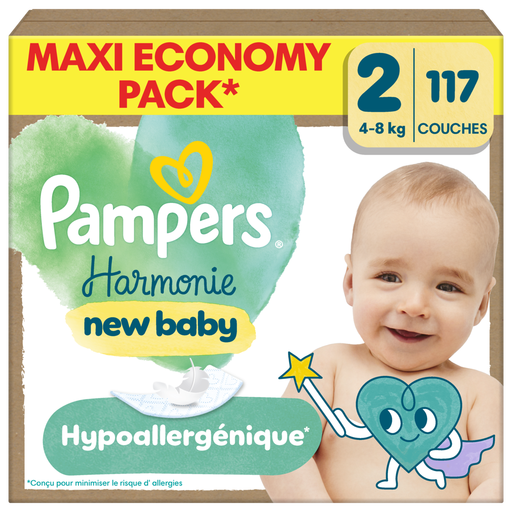
Why we chose it ? For those seeking the ideal compromise between a major brand and a genuine ecological commitment. The Pampers Harmonie line uses plant-based materials and FSC-certified cellulose, while incorporating the leak-proof technology that has made the brand famous.
It avoids the pitfall of sacrificed performance. It promises up to 12 hours of leak-proof protection (according to the brand), while incorporating more respectful materials and solid certifications (OEKO-TEX, FSC).
The Stop & Protect pocket at the back is designed to provide an extra barrier against leaks, a major asset for peaceful nights (and days).
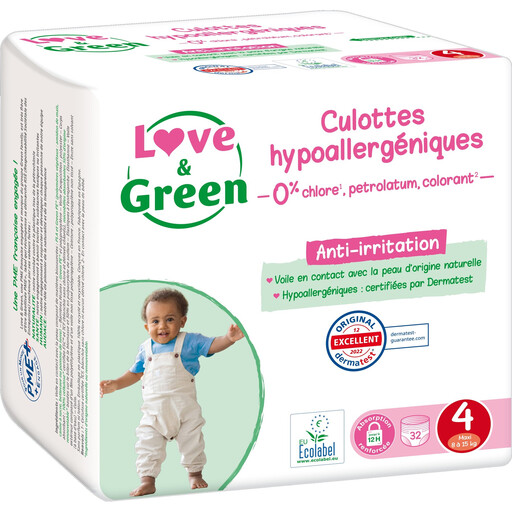
Why we chose it ? When your baby starts exploring the world on all fours or on their own two feet, diaper changes can quickly become a sporting event. Eco-friendly diaper pants are perfect for this stage, offering great freedom of movement and gently supporting the potty training journey.
It meets the challenge of a perfect fit for wriggly little ones. Its comfortable, elastic waistband adapts to all body shapes and prevents leaks caused by movement—a common weakness of poorly-fitting traditional diapers.
The pull-up style, which is easy to put on and take off, is a fantastic ally for encouraging a child's independence during the transition to the potty.
We have curated a complete and up-to-date selection of products that meet our strict selection criteria and safety standards.
Marketing jargon can be confusing. Let's clarify.
Redness, small bumps, or irritation on your baby's bottom are tell-tale signs. For a diaper specifically for sensitive skin, look for terms like "hypoallergenic" and "dermatologically tested." The absence of fragrance, lotion, and chlorine (TCF bleaching) is also a key factor in limiting the risk of a reaction.
Absolutely. The technology has evolved tremendously. Leading brands like Love & Green or the Pampers Harmonie line have developed high-performance absorbent cores based on certified cellulose and super-absorbent polymers. They offer protection comparable to that of conventional diapers, with the added benefits of a healthier composition and a controlled environmental impact. Of course, the key is still to choose the right size and ensure a proper fit.