
Livraison le jour même ou le lendemain

Qualité garantie

Débloquez vos offres de bienvenue: Livraison GRATUITE | Jusqu'à -80 % | 30 jours d'essai gratuits à JoyPlus
Téléchargez l'application
With all the promises of "natural ingredients", green packaging and "hypoallergenic" claims, it's not always easy to know what to look for when choosing eco-friendly cleaning products. Washing-up liquid, laundry detergent or dishwasher tablets also need to suit your habits, your water hardness and the sensitivities of your household.
A recyclable bottle is a good start, but it doesn't tell you the full environmental impact of a product. You should also consider the amount of water being transported, whether you can opt for a household product refill, how concentrated the formula is, and the number of uses stated on the pack.
A laundry refill or a concentrate you dilute can reduce packaging and the volume being transported. However, you must follow the dosage instructions carefully and reuse the original bottle to avoid any preparation errors.
A formula made with ingredients of natural origin can still contain fragrance, essential oils or preservatives that aren't suitable for everyone. If you have sensitive skin, look for concrete information instead: no fragrance, any regulated allergenic substances that may be present, usage precautions and rinsing instructions.
The term hypoallergenic generally means the formula has been designed to reduce the risk of a reaction. It doesn't guarantee that no allergy will occur. The information on the label is still your best guide.
A 5-litre professional laundry detergent might be great for a large family or a business, but it's not very practical in a small home. On the other hand, a scented washing-up liquid might appeal to some, while a fragrance-free formula will be better suited to those looking for a household product without fragrance allergens.
The EU Ecolabel is based on several criteria, including the substances used, effectiveness, packaging and the product's life cycle. That doesn't mean the formula is safe in all circumstances, nor that it's automatically suitable for reactive skin.
Some product categories may also carry a certification such as Ecocert. In every case, check the logo, the category it applies to, and the instructions on the packaging.
The price per litre isn't enough to compare two products. For an eco-friendly laundry detergent, look at the number of washes, the recommended dosage based on load size and your water hardness. A concentrated formula can reduce the amount you use, as long as you don't go overboard with the dosage.
For eco-friendly dishwasher tablets, check the number of cycles they cover, whether they're compatible with short programmes, and any recommendations about rinse aid or dishwasher salt. Some tablets are fragrance-free, phosphate-free or contain a stated proportion of naturally derived ingredients. They should always be handled according to the instructions on the label.
If you're washing baby bottles, teats or breastfeeding accessories, choose a washing-up liquid designed for that purpose. Opt for a fragrance-free formula if that suits your preferences, then rinse thoroughly with drinking water. On surfaces, an eco-friendly multi-surface cleaner should only be used on compatible materials. For delicate surfaces, test it on an inconspicuous area first.
Never mix several cleaning products together. Even a formula marketed as eco-friendly can cause skin or eye irritation if used incorrectly.
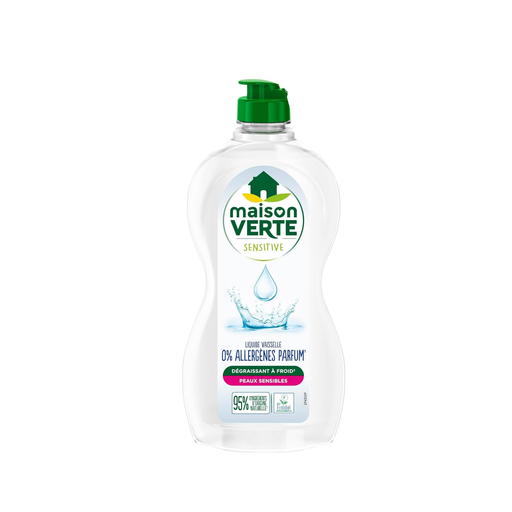
Why this choice suits this profile: At 500 ml, this eco-friendly washing-up liquid lets you give it a try without buying in bulk. Its fragrance-free formula is ideal for anyone looking for a simple solution for everyday washing-up.
The product page states 0% fragrance and skin allergens as defined by the relevant regulations. It also specifies the correct dosage and the need to rinse with drinking water.
Formula marketed as hypoallergenic, degreases in cold water from 20°C and carries the Ecolabel certification.
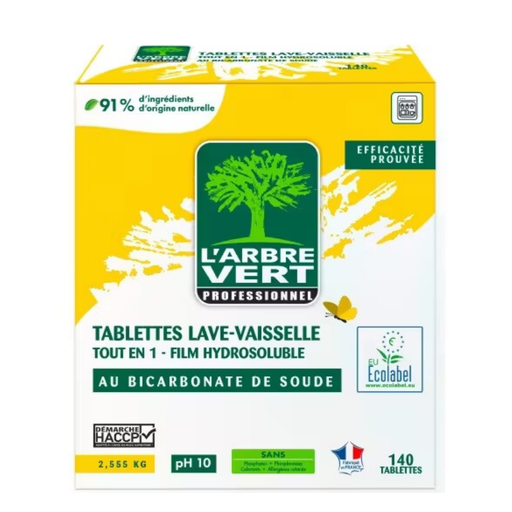
Why this choice suits this profile: This large pack is ideal for households that use their dishwasher frequently and want to avoid restocking too often.
The number of tablets and usage instructions are clearly stated, so the product doesn't rely solely on a promise of sparkling dishes.
Formula marketed as phosphate-free, fragrance-free and colourant-free, with 91% naturally derived ingredients and Ecolabel certification.
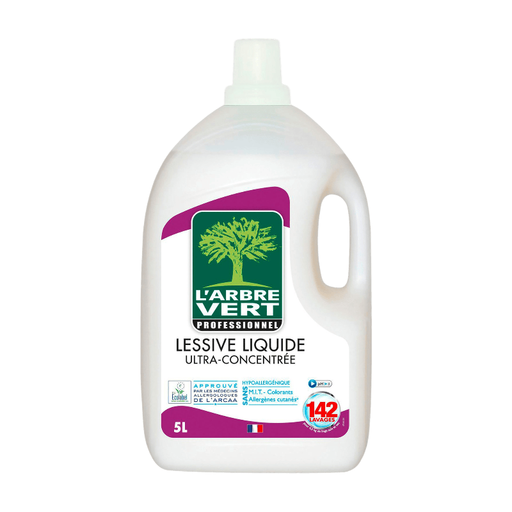
Why this choice suits this profile: At 5 litres, this container meets the needs of a large family, a shared residence or a professional who does laundry constantly.
The dosage table takes water hardness and soiling level into account, helping you avoid unnecessary overdosing.
Ultra-concentrated format, EU Ecolabel, recyclable packaging and a formula marketed without optical brighteners, phosphates or colourants.
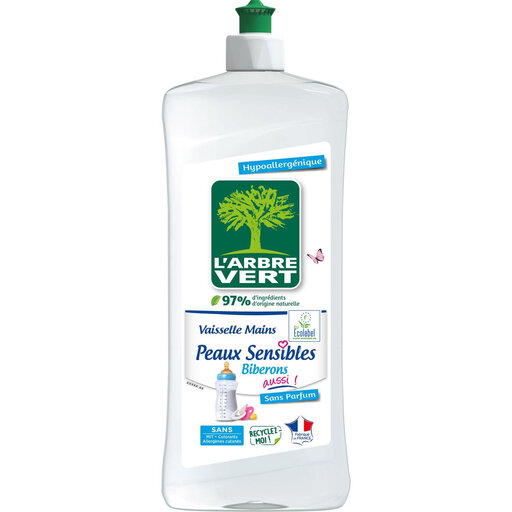
Why this choice suits this profile: This liquid is designed for washing baby bottles, teats, dummies and breastfeeding accessories, while also being suitable for family washing-up.
The product page specifies this targeted use and states a fragrance-free formula, while also reminding you to rinse thoroughly.
97% naturally derived ingredients stated, Ecolabel certification and a bottle made from at least 87% recycled materials.
We've put together a comprehensive, real-time updated list of products that meet these strict selection criteria and European safety regulations.
Not necessarily. Compare the cost per wash, per dose or per use rather than the price of the bottle. Refills and concentrated formats can bring the cost per use down, especially if you reuse the container. A large format is only good value if it matches how quickly you use it.
Some formulas claim to be effective from 20°C, but the result depends on the fabric, how dirty the items are and the dosage. Check the garment labels, avoid overfilling the drum and pre-treat stubborn stains if needed. Washing at a lower temperature can also reduce energy consumption, but you still need to maintain your machine regularly.
Choose a fragrance-free formula if that suits your situation, read the ingredients list and follow the usage precautions. Even a hypoallergenic product may require you to wear gloves or could cause irritation with prolonged contact. For baby bottles and washing-up, thorough rinsing with drinking water is essential.