
Livraison le jour même ou le lendemain

Qualité garantie

Débloquez vos offres de bienvenue: Livraison GRATUITE | Jusqu'à -80 % | 30 jours d'essai gratuits à JoyPlus
Téléchargez l'application
With promises of “ultra-degreasing” power, eco-labels and family-size packs, choosing household cleaning products can quickly become a headache. A fragranced washing-up liquid may not be suitable for sensitive hands, a laundry disinfectant is no substitute for detergent, and using a fabric stain remover incorrectly can cause colours to fade.
To shop with confidence, compare the intended use, ingredients, size and precautions shown on the label.
A product advertised as especially effective against grease will generally be best suited to saucepans, hobs and washable surfaces. Don’t use it indiscriminately on untreated wood, natural stone or delicate materials. With a multi-surface degreaser, always check which surfaces it’s suitable for and test it on an inconspicuous area first.
Always check this claim against the ingredients list. A fragrance-free, colourant-free formula without MIT may suit households looking to limit exposure to fragrance ingredients. On the other hand, some washing-up liquids contain fragrance, limonene or linalool – ingredients to look out for if you have a known sensitivity.
Hypoallergenic means the formula is designed to reduce the risk of an allergic reaction. It doesn’t guarantee that every user will be free from a reaction.
A 2- or 3-litre pack means fewer top-ups, but it takes up more space and costs more upfront. If you’re ordering for the first time, a 500 or 750 ml bottle lets you try the formula and check how easy it is to use, how much you need and how well you tolerate it before buying a multipack.
Start by working out exactly what you need:
Never mix different cleaning products, and follow the rinsing instructions. Biocidal products must be used in accordance with their label.
If you have sensitive skin, look for claims such as fragrance-free, colourant-free or free from MIT, if these match your priorities. An eco-friendly formula may also carry a recognised label, such as the EU Ecolabel, or Cosmos Organic certification for certain personal care products.
A stated percentage of ingredients of natural origin isn’t enough to tell you how a product should be used or how well you’ll tolerate it. Also check the list of fragrance allergens, preservatives and hazard symbols.
Compare the price per litre or kilogram rather than the price per bottle. Packs of 2 × 500 ml, 3 × 750 ml or 4 × 500 ml can be good value for families and regular users. Refillable packaging or packaging made partly from recycled plastic can help reduce waste, but you still need to follow the recommended dosage.
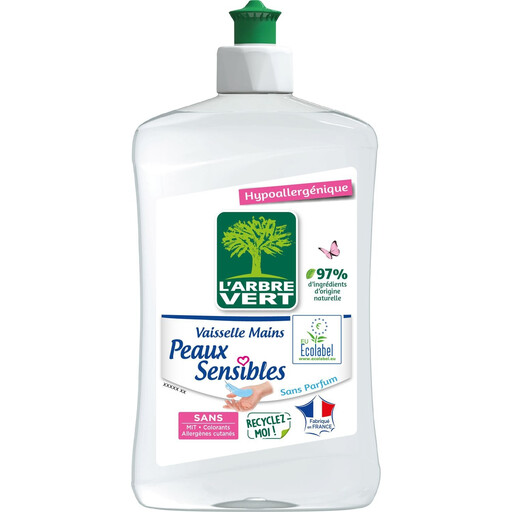
Why this is a good fit for this shopper: This 500 ml bottle lets you try a washing-up liquid for sensitive skin without committing to a large pack. It’s suitable for everyday washing and can be applied straight to a sponge or diluted in water.
The smaller size reduces the risk of buying a large quantity of a formula that doesn’t suit your needs. Still, check the label and rinse thoroughly.
97% ingredients of natural origin according to the product listing, formula stated to be free from MIT and colourants, made in France.
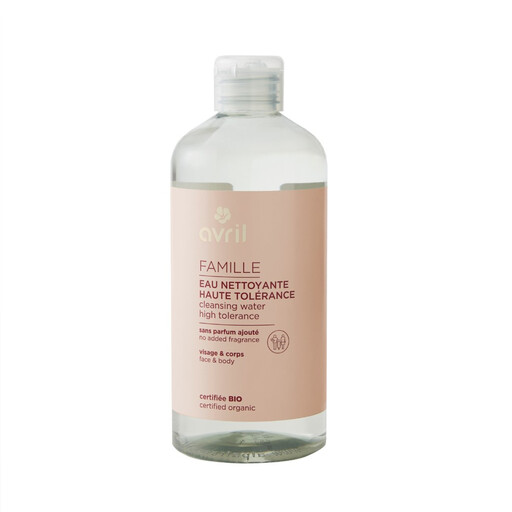
Why this is a good fit for this shopper: This certified organic cleansing water is designed for households looking for a versatile personal care product for the face and body that doesn’t need rinsing off.
The product listing specifies that the formula is fragrance-free and doesn’t need rinsing off. That makes it easier to choose based on clear details rather than a general promise of gentleness alone.
500 ml, Cosmos Organic certification by Ecocert Greenlife, 99% ingredients of natural origin and made in France according to the product listing.
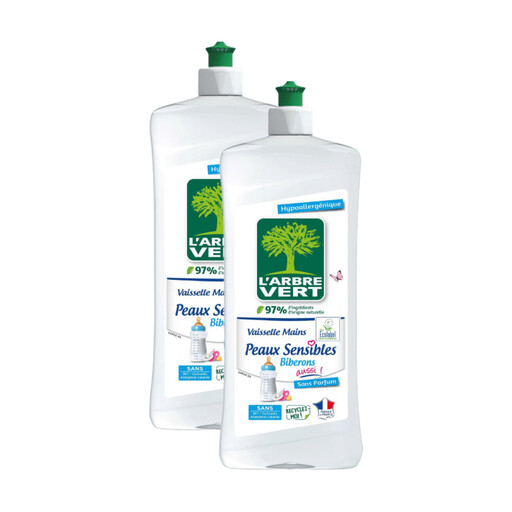
Why this is a good fit for this shopper: This 1.5-litre pack is ideal for families who regularly wash baby bottles, teats, breastfeeding accessories and everyday dishes with one product.
Its suitability for baby bottles and accessories is clearly stated, so you won’t be using a household product for a purpose it wasn’t designed for.
EU Ecolabel, formula stated to be fragrance-free and free from MIT and colourants, packaging containing at least 87% recycled materials.
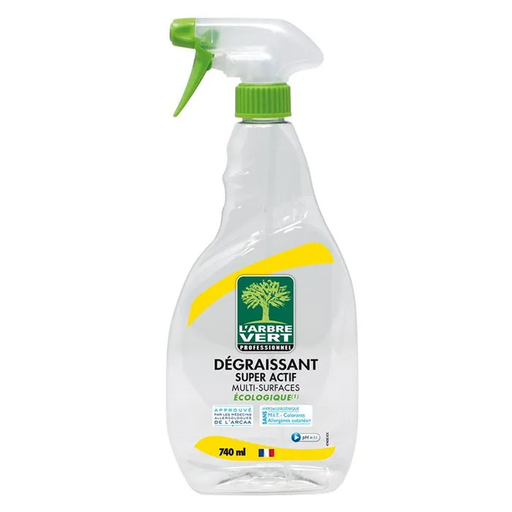
Why this is a good fit for this shopper: This spray bottle is well suited to kitchens and busy areas where vegetable, animal or mineral grease builds up on washable surfaces.
The product listing recommends testing it first on an inconspicuous area when using it on delicate surfaces, helping you avoid unwelcome surprises.
740 ml, EU Ecolabel certification, formula free from phosphonates, colourants and isothiazolinones according to the product listing.
Compare formulas specifically intended for sensitive skin. For baby bottles, choose a product whose label mentions teats, breastfeeding accessories or baby bottles. A fragrance-free formula may also suit people who want to avoid fragrance ingredients. In all cases, follow the dosage instructions and rinse thoroughly.
Shelf life depends on the type of product and the manufacturer’s guidance. Check the date on the packaging, the batch number and the period after opening, if stated. Store products in a cool, dry place away from heat, and keep them out of children’s reach.
No. An environmental label confirms that a product meets specific criteria, but it may still cause irritation or require certain precautions. Read the hazard symbols, don’t mix formulas, and wear gloves if the label recommends it. French or European cleaning products should be chosen based on their intended use and labelling, not just where they come from or their environmental claims.