
Livraison le jour même ou le lendemain

Qualité garantie

Débloquez vos offres de bienvenue: Livraison GRATUITE | Jusqu'à -80 % | 30 jours d'essai gratuits à JoyPlus
Téléchargez l'application
Choosing a motorcycle helmet is anything but a trivial decision. It's a rider's number one piece of safety equipment. The modular motorcycle helmet, with its flip-up chin bar, is appealing for its versatility, being just as practical in the city as it is on long tours. But here's the catch: faced with an overwhelming number of options and sometimes vague marketing claims, it's easy to make a mistake. This guide breaks down the essential criteria for an informed purchase, with a focus on the new ECE 22.06 safety standard.
Before you even start comparing spec sheets, let's review the common mistakes that can turn a good deal into a costly hassle.
To make the right choice, focus on objective criteria that guarantee your daily safety and comfort.
The homologated motorcycle helmet label is mandatory, but be aware that not all homologations are created equal. The UNECE 22.06 standard, in effect for all helmets manufactured since July 2022, represents a major step forward in safety. Unlike the old 22.05 standard, it now requires:
A dual visor motorcycle helmet integrates a retractable sun visor in addition to the main clear shield. This provides invaluable comfort, allowing you to adapt to changing light conditions (entering a tunnel, low sun...) in a second without fumbling with sunglasses. Make sure the sun visor control is easy to operate with gloves on and that it drops low enough for effective protection against glare.
For a Bluetooth-ready motorcycle helmet, don't just trust the label on the box. Check that the helmet has dedicated and sufficiently deep recesses for the speakers at ear level. The presence of channels to guide and conceal the wires is a real bonus: this prevents uncomfortable pressure points and drastically simplifies installation.
Here is our selection of helmets that tick all these boxes, for different rider profiles.
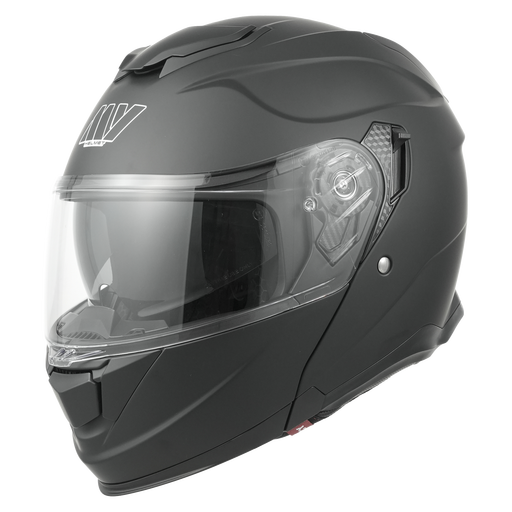
Ideal for: Daily commutes that mix city streets and highways. Its modular (flip-up motorcycle helmet) function is a treat for frequent stops, and the dual visor allows you to adapt on the fly to changes in light, a major asset in the city.
This model includes a well-designed space for a Bluetooth kit, sidestepping the "illusory compatibility" pitfall and ensuring a clean installation.
Its ECE R 22.06 certification and high-resistance ABS shell offer up-to-date safety. Its features-to-price ratio is excellent for regular use.
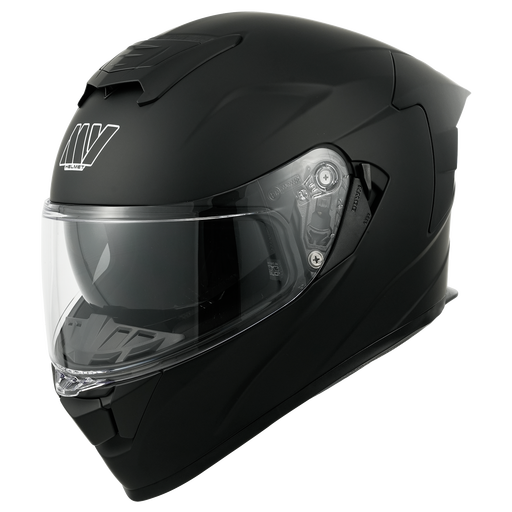
Ideal for: Long distances. This helmet makes comfort its absolute priority. Its liner is designed to remain comfortable hour after hour, a non-negotiable criterion for touring enthusiasts who clock up the miles.
It counters the pitfall of sacrificed comfort with a removable, washable, and hypoallergenic inner liner, designed to keep you cool and dry.
Long-haul comfort is its real strength. Maintenance is a breeze thanks to the fully removable interior, a detail that matters for hygiene after long road trips.
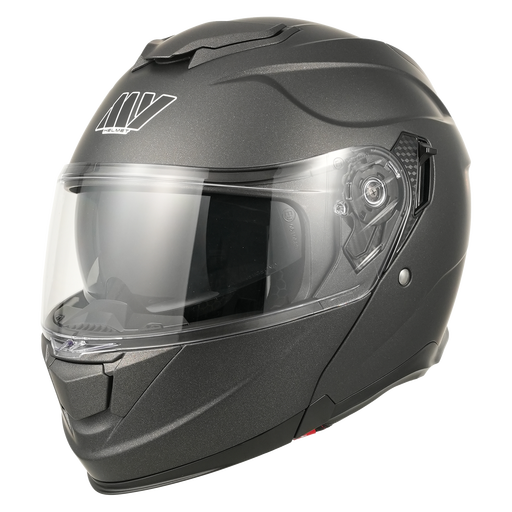
Ideal for: Those who can't imagine a ride without GPS, music, or calls. This model is specifically designed to facilitate intercom installation, making it a particularly clever full-face modular helmet.
It puts an end to the "illusory intercom compatibility" headache with clearly defined and accessible speaker pockets under the cheek pads.
Its Bluetooth-ready design has been engineered for simple and comfortable integration, without compromising the helmet's fit or safety.
Discover our complete and up-to-date selection of helmets that meet our strict selection criteria and the latest safety standards.
What is the lifespan of an ECE 22.06 modular motorcycle helmet? As a general rule, it is advisable to replace your helmet every 5 years (or 7 years for composite fibre shells). The outer shell, often made of polycarbonate or ABS, degrades over time, particularly due to UV exposure. More importantly: a helmet must be replaced after any impact, even if no damage is visible on the surface. Its shock absorption capacity could be compromised.
Is a modular helmet as safe as a full-face helmet? With the ECE 22.06 standard, modular helmets are subjected to very rigorous tests, including on the chin bar mechanism and its locking system. A quality full-face modular helmet with dual P/J homologation offers a very high level of protection in the closed position, comparable to that of a classic full-face. The key is to check that it has this dual homologation and to always ride with the chin bar closed on highways.
How do I choose the right helmet size without trying it on? The first step is to measure your head circumference. Take a tape measure and place it horizontally around your head, about 2 cm above your eyebrows, where your skull is widest. Then, refer to the manufacturer's size guide, as each brand has its own specifics. A new helmet should fit snugly: it should slightly squeeze your cheeks (without compressing them) and not create any painful pressure points on your forehead or the back of your head. Remember that the inner pads will break in slightly after a few hours of use.