
Livraison le jour même ou le lendemain

Qualité garantie

Débloquez vos offres de bienvenue: Livraison GRATUITE | Jusqu'à -80 % | 30 jours d'essai gratuits à JoyPlus
Téléchargez l'application
For any motorcycle or scooter rider, choosing a helmet is a serious decision. Should you prioritise the absolute protection of a full-face model or the convenience of an open-face helmet for urban commutes? It's a real dilemma. This is where the modular motorcycle helmet, also known as a flip-up motorcycle helmet, comes in as the champion of versatility. With the new, much stricter ECE 22.06 safety standard now in effect, being informed before you buy has never been more crucial.
This guide is here to help you break down the key criteria for choosing the right ECE 22.06-certified modular motorcycle helmet and to present our top picks, whether for your daily commute or weekend rides.
Before you commit to a model, let's review a few decisive technical points. They will ensure you make an informed choice that is perfectly suited to your riding style and your comfort and safety requirements.
This is the non-negotiable feature of a good modular helmet: dual P/J homologation. You'll find it on the white label sewn inside the helmet.
A helmet is sometimes worn for hours on end, so its comfort is not optional. Several elements come into play:
The outer shell is your first line of defence in an impact. There are two main families of materials: polycarbonate (ABS) and composite fibres (fibreglass, carbon, aramid). While polycarbonate offers an excellent protection-to-price ratio, fibre shells are generally lighter—a significant advantage for reducing neck strain on long journeys. Weight is a key criterion for a modular full-face helmet, whose chin bar mechanism inevitably adds weight compared to a classic full-face helmet.
To guide you, here is a selection of helmets that tick all the boxes: compliance with the ECE 22.06 standard and features favoured by riders.
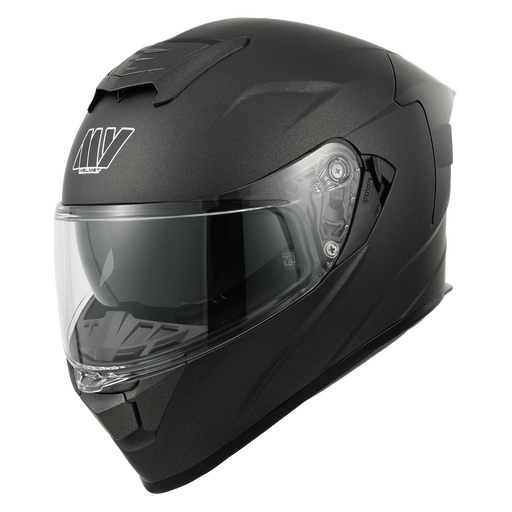
Why it stands out This model is an excellent option for those who prefer the one-piece structure of a full-face helmet but don't want to give up modern features. Its ABS shell and multi-density EPS liner ensure shock absorption in full compliance with the ECE 22.06 standard.
Key features
Who is it for?? For motorcycle and scooter riders looking for a safe and practical full-face helmet for daily use, with a good level of equipment and an accessible price point. Its universal design is suitable for both men and women.
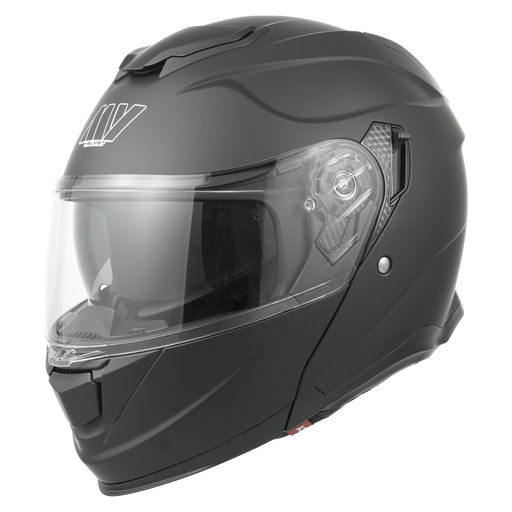
Why it stands out The MY-935 is the epitome of the flip-up motorcycle helmet that combines safety and versatility. Certified ECE 22.06, it packs everything you'd expect from a modern helmet, including a dedicated slot for a Bluetooth communication system.
Key features
Who is it for?? This modular scooter helmet is perfect for urban riders and touring enthusiasts who appreciate the freedom to flip up the chin bar when stopped. Its Bluetooth-ready design makes it a smart choice for connected riders.
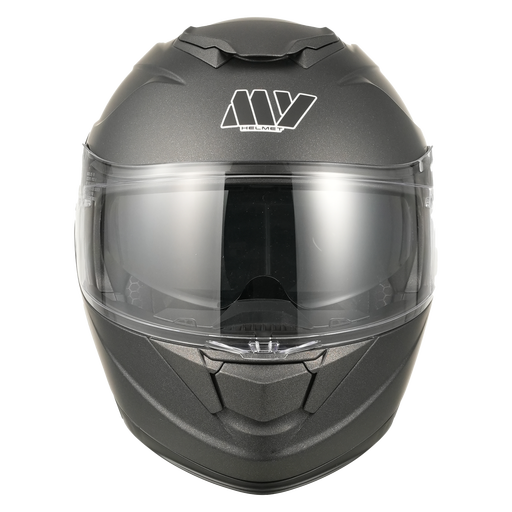
Why it stands out This helmet shares all the excellent technical features of its matte black counterpart but stands out with its elegant titanium finish. It offers the same ECE 22.06 protection level and the same versatility, making it an excellent modular full-face helmet for mixed road/city use.
Key features
Who is it for?? For those who are drawn to the strengths of the MY-935 but prefer a lighter, more distinctive colour. It is ideal for motorcycle and scooter riders who switch between city streets and the open road and demand a versatile and safe helmet.
The modular helmet is an excellent solution, but it's not the only one. If your riding is predominantly on the road or track, or if you're a die-hard fan of the one-piece design, many alternatives exist.
To discover a wider range of models, feel free to explore our complete category of Full-Face Motorcycle Helmet.
The ECE 22.06 standard is the latest European regulation for motorcycle helmet safety. Replacing the old 22.05 standard, it imposes much stricter tests, which now include:
Yes, but only if the helmet has dual P/J homologation. The letter "J" on the certification label attests that the helmet has been tested and approved for use in the "jet" configuration (chin bar up). If the helmet is only "P" homologated, it is mandatory to keep the chin bar closed while riding.
A correctly sized helmet is crucial for both safety and comfort. To find yours, it's simple: take a measuring tape and measure the circumference of your head. Place the tape about 2.5 cm (1 inch) above your eyebrows and wrap it around, passing over the most prominent part at the back of your head. Then, refer to the manufacturer's size guide with this measurement in centimetres. Remember: a new helmet should feel snug on your cheeks without creating any painful pressure points on your forehead or skull.