For an easy-to-chew meal, start by choosing something where the noodles and other ingredients can be served tender and moist. A ready-made frozen meal cuts down on preparation, but you’re limited to its toppings. Dried noodles let you adjust the cooking time, while a pre-cooked base still needs accompaniments. Compare the pack sizes too, and check what else you’ll need to make a meal.
Who are these options for?
People looking for a tender meal
The texture of the noodles isn’t the only thing to consider: vegetables, meat and toppings should also be suitable for the person to chew. This general guidance is no substitute for an appropriate assessment if someone has swallowing difficulties or is at risk of choking.
People who want a meal they can simply heat up
A ready-made frozen noodle meal means less preparation. Check the pack size and the texture of each component after heating, rather than relying on the name of the dish alone.
People who want to adjust the cooking
Dried noodles let you choose how to cook and serve them. However, they need extra preparation and don’t make a complete meal on their own.
What should you look for?
When comparing a frozen meal, a pre-cooked base and dried noodles, first consider what the meal will be like when served, then look at the format and preparation involved.
| Criteria |
What to check |
Who is it for? |
| Meal texture |
Once prepared, check that the noodles are tender and moist, and look at the texture of the toppings too. |
If the vegetables or meat are still difficult to chew, soft noodles won’t be enough. Around 31% of consumers would make the texture of the whole meal their top priority. |
| Meal size |
Check the pack weight, how many portions you plan to serve and what ingredients you’ll need to add to a plain base. |
If I’m preparing several portions, I want to know exactly what’s in the pack and what else I’ll need to cook. The amount you get would be the main concern for around 31% of consumers. |
| Preparation |
Know the difference between a meal to heat up, a pre-cooked base that needs extras and dried noodles that need cooking. |
When I’m short on time, I prefer to keep preparation to a minimum, without assuming the meal will be tender once served. Around 23% of consumers would put ease of preparation at the top of their list. |
| Ingredients and allergens |
Read the ingredients list and allergen information on the pack you’re actually buying. |
If I need to avoid certain ingredients, the exact composition matters more than the type of noodle shown on the front of the pack. This check would be a priority for around 15% of consumers. |
Mistakes to avoid
-
Assuming every part of the dish will be easy to chew
Carrefour Sensation and Tables du Monde frozen noodle meals combine noodles with vegetables and meat. Each component may have a different texture after heating.
Check the whole dish when you serve it. If someone has swallowing difficulties or is at risk of choking, ask a healthcare professional for advice rather than relying on the product name.
-
Comparing packs without thinking about the meal you’re preparing
A portion of instant noodles, a pack of dried noodles and a ready-made frozen meal don’t provide the same amount of food or the same ingredients.
Work out how many portions you need and what accompaniments you’ll need before choosing a format.
-
Assuming you know the allergens from the product name alone
A noodle base may contain wheat, while the sauces and toppings in a complete meal add other ingredients to check.
Read the label on the pack you buy. The DGCCRF notes that allergenic ingredients must be highlighted in the ingredients list on prepacked foods.
Brands to consider
These products represent different options: a ready-made frozen meal, plain noodles to cook or an individual portion to prepare. Check the ingredients and pack size of the specific product you’re interested in.
Carrefour Sensation
Carrefour offers a 300 g pack of frozen stir-fried noodles with beef and onions.
- A complete meal that just needs heating.
- The recipe also contains vegetables, so check the texture of each component and the listed allergens.
Tables du Monde (E.Leclerc)
E.Leclerc offers a 900 g pack of frozen chicken noodles with vegetables and soy sauce.
- A pack size worth considering if you’re preparing several portions of a complete meal.
- Check the texture of the toppings after heating and whether the product is available at your local store.
Auchan
Auchan’s 1 kg pack of dried noodles is a base to cook, made from durum wheat semolina.
- You can adjust the cooking and accompaniments to suit the meal you want.
- The stated 8-minute cooking time is for an ‘al dente’ texture, so it won’t necessarily give you the tenderness you’re looking for. Check the texture before serving.
Lidl
An instant noodle option to prepare when a quick, low-effort meal suits your needs.
- The instant format sets it apart from dried noodles that need conventional cooking.
- Plan the rest of the meal and check its texture, as well as the ingredients in the product you choose.
Asia Green Garden (Aldi)
Aldi offers a 67 g cup of dehydrated noodles in chicken, beef or vegetable flavours.
- An individual portion that you can compare with the amount you want to serve.
- A cup of noodles doesn’t remove the need to check the ingredients and what else you’ll need for the meal.
Blue Dragon
Blue Dragon’s 300 g ramen product page from Canada describes dried noodles containing wheat.
- A base to cook if this specific product suits the meal you have in mind.
- The Canadian product page also lists allergens that may be present. Check the label on the product you actually buy for its ingredients.
Noodles to cook from Joybuy
This selection features dried noodles for you to cook at home. You can choose how to cook and serve them, but be sure to check the texture of the finished meal. These aren’t the ready-made frozen meals mentioned above.
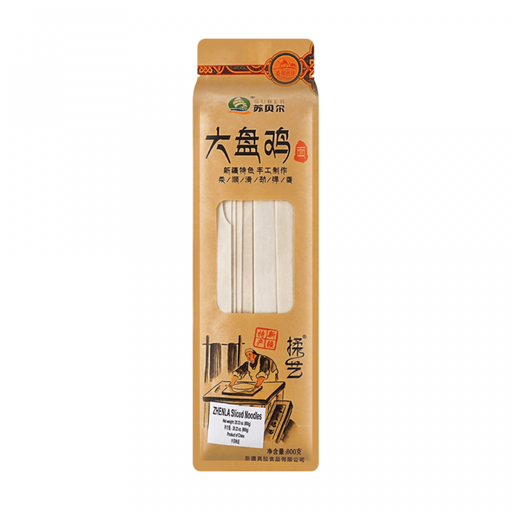 Image unavailable
Zhenla Belt Noodles 800 g
A base to cook for anyone who wants to choose their own accompaniments.
800 g pack. Check that the noodles are tender after cooking, and that all the ingredients you add are too. This product isn’t a complete meal on its own.
View on Joybuy
Frequently asked questions
Are frozen noodles necessarily easier to chew than dried noodles?
No. Freezing alone doesn’t determine the texture of the meal when served. Check that the noodles are tender and moist after preparation, and look at the texture of the vegetables, meat and other toppings too. IDDSI guidance on easy-to-chew foods doesn’t automatically apply to a product described as soft.
Are these noodles suitable for someone with dysphagia or at risk of choking?
In this situation, don’t choose a product based on its name alone. Ask the healthcare professional supporting the person to specify the texture they need. IDDSI distinguishes easy-to-chew foods for people without swallowing difficulties from texture recommendations based on an individual assessment.
What should you check on noodle packaging?
Read the ingredients list and allergen information on the pack you’re buying, especially for meals with sauce and toppings. The DGCCRF notes that allergenic ingredients in prepacked foods must be highlighted in the ingredients list. Also check the preparation and storage instructions for the specific product.
How should you store frozen noodles after buying them?
Follow the instructions on the packaging. The CHIZURU frozen udon product page recommends storing the noodles below −18 °C and says not to refreeze them after thawing. Check the instructions for the product you’ve chosen.


