For hosts who are prioritising fat content
You’re looking for a frozen dessert to share and want to check first that it has a very low fat content, even if that means choosing a sorbet rather than a creamy texture.


If you want to keep fat content down in a tub dessert served at Easter lunch, start with sorbets and check the nutritional information for the specific product you’re considering. The DGCCRF states that no fat can be added during their production. There’s more to consider, though: compare sugars, allergens and net weight separately. Cream-based ice cream is better suited to those who prefer a creamy texture than to anyone strictly looking to reduce their fat intake.
You’re looking for a frozen dessert to share and want to check first that it has a very low fat content, even if that means choosing a sorbet rather than a creamy texture.
You don’t want to assume that a sorbet is low in sugar just because of its name. The nutritional information lets you check sugars and energy separately from fat.
Before serving a group, check the ingredients and any allergen warnings for the exact product you’ve chosen. The fact that a dessert is a sorbet isn’t enough to confirm it’s suitable.
When choosing between sorbet and ice cream for Easter lunch, start with your priorities around fat content, then check the other details that could affect which tub you serve.
| Criteria | What to check | Who is it for? |
|---|---|---|
| Fat | Read the nutritional information for the exact product and compare values expressed in the same unit. | If my main aim is to keep fat content down at dessert time, I look for a clearly stated value rather than relying on the texture or flavour. Around 36% of consumers would put this first. |
| Sugars and energy | Check the sugars and energy per 100 g or 100 mL, then consider the portion size you plan to serve. | When planning the dessert for the meal, I want to check sugars even if the sorbet is low in fat. Around 29% of consumers would put this concern first. |
| Allergens | Check the allergens listed in the ingredients and any warnings that the product may contain them. | If a guest has an allergy, I need to check the flavour and the specific product I’m actually going to serve. Around 21% of consumers would prioritise whether it suits their needs. |
| Tub size | Check the net weight and how many portions you plan to serve; confirm the packaging before buying. | If several people are sharing dessert, I want a suitable container without assuming that a larger volume necessarily means more ice cream to serve. Around 14% of consumers would put this practical consideration first. |
Fat and sugars are listed separately. Carrefour France’s product information for Carrefour Extra lemon sorbet lists 30 g of carbohydrates per 100 g, despite stating that it contains 0% fat.
Compare the “fat” and “sugars” lines for the products you’re considering, using the same basis of 100 g or 100 mL.
The DGCCRF explains that the incorporation of air can affect the weight of ice cream in the same volume. So two similarly sized containers won’t necessarily hold the same amount to serve.
Check the net weight when comparing tubs for your guests.
A sorbet may contain allergenic ingredients or carry warnings that it may contain allergens. The flavour and brand alone aren’t enough to decide whether it’s suitable for someone with an allergy.
Read the label for the exact product and ask the person concerned what precautions they follow.
The Carrefour France product information we checked gives values for Carrefour Extra lemon sorbet per 100 g, and for Carte d’Or Sicilian lemon sorbet per 100 mL. These aren’t values expressed on the same basis, so they can’t be compared directly.
Keep the results separate if you don’t have data expressed on the same basis.
The range includes a 606 g tub of lemon sorbet featured by Carrefour France.
The 900 mL tub of Sicilian lemon sorbet is among the products featured by Carrefour France.
The vanilla ice cream featured by Carrefour France is included here as a comparison with sorbets, rather than as an example of tub ice cream: this product comes in a 400 g pot.
These sorbets are worth considering if you’re looking for a fruity dessert and fat content is a priority. For Easter lunch, when you plan to serve dessert from a tub, confirm the type of container for each product before buying. Check the label too if a guest has an allergy.
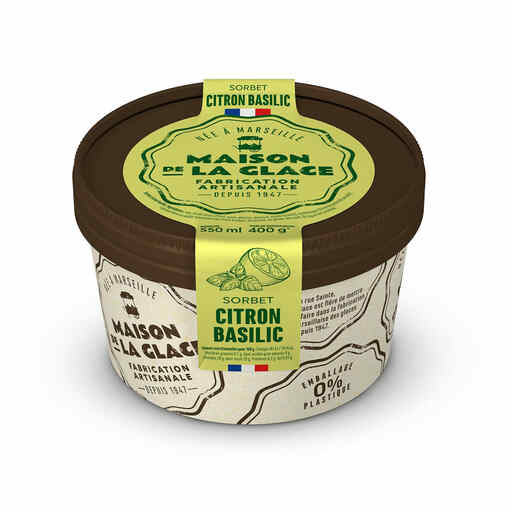 Image unavailable
A lemon and basil option to consider if you’d like to serve sorbet. Check its fat and sugar content, as well as the allergens listed on the label.
Weight stated in the product name: 380 g. Confirm that it comes in a tub if that format is essential.
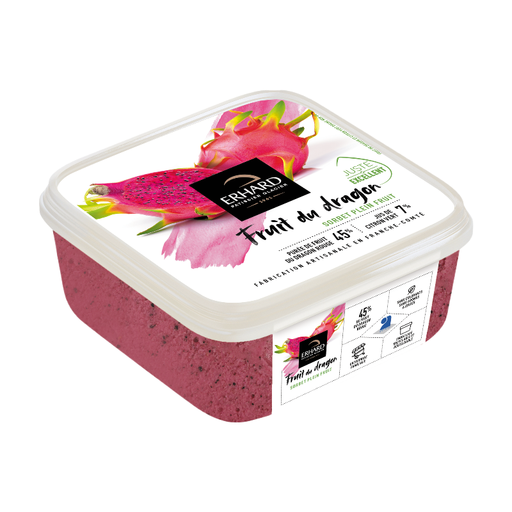 Image unavailable
For a dragon fruit and lime dessert, compare its nutritional information with that of the other sorbets you’re considering and check the allergen warnings.
Weight stated in the product name: 488 g. Check that the packaging is suitable for serving from a tub.
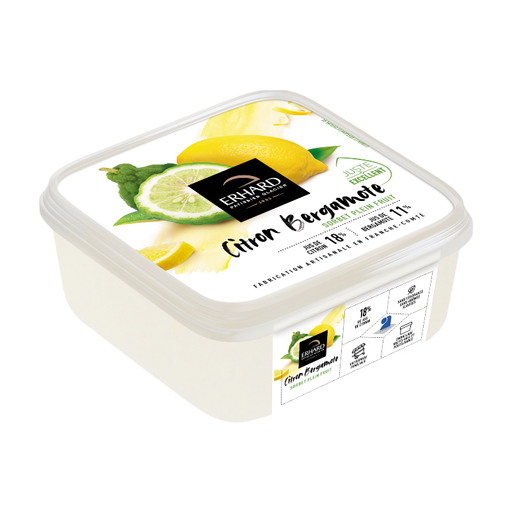 Image unavailable
If you’re considering a citrus sorbet, check the fat and sugar content on the label, along with any allergen warnings.
Weight stated in the product name: 488 g. Confirm the type of container before planning to serve it from a tub.
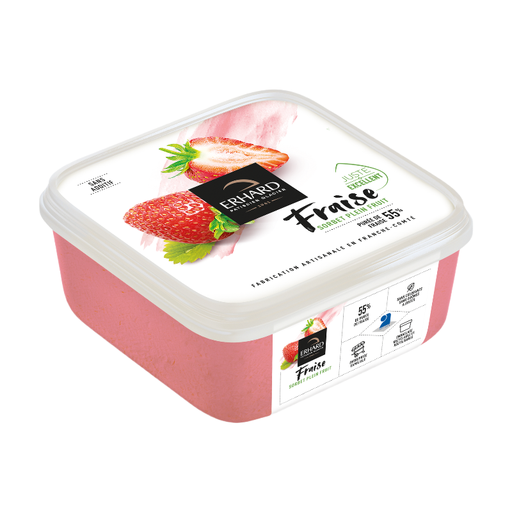 Image unavailable
If you’re planning to serve a strawberry flavour, check the fat and sugar content of this product rather than assuming its ingredients based on the words “Full Fruit” alone.
Weight stated in the product name: 488 g. Check the allergens and confirm the packaging if you’re looking for a tub.
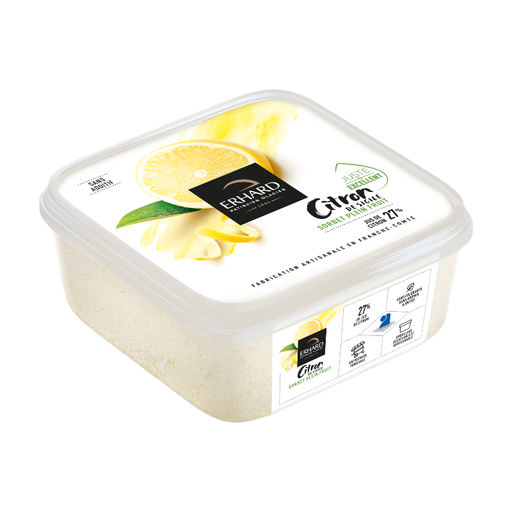 Image unavailable
If Sicilian lemon suits your menu, check this product’s fat and sugar content separately, along with any allergen warnings.
Weight stated in the product name: 488 g. Check the type of container before choosing it as a tub dessert.
No. The word “sorbet” alone doesn’t mean its nutritional value for fat is zero. The DGCCRF states that no fat can be added during production, but you should still check the “fat” line for the product you’ve chosen.
First, check that the claim appears on the product you’re buying, then read its nutritional information. Carrefour France states “0% fat” for its Carrefour Extra lemon sorbet, but this doesn’t tell you about its sugars or allergens.
Not necessarily: you need to check both values separately. Carrefour France’s product information for Carrefour Extra lemon sorbet states 0% fat and 30 g of carbohydrates per 100 g. Check the “sugars” line when comparing products.
Don’t decide based on the “sorbet” category alone. Check the allergens listed in the ingredients and any warnings on the label for the exact product, then take account of the precautions followed by the person concerned.