What should you check before choosing?
First decide whether you want to hide several small pieces or a whole bar, then check the ingredients and the amount in each piece.
| What to consider |
What to check |
Who is it for? |
| Sharing out the pieces |
Count the pieces that are ready to hide; if you’re using a standard bar, plan to break it up before the hunt. |
When you need to fill several hiding places, being able to count the chocolates makes it easier to avoid preparing pieces at the last minute. Around 40% of relevant consumers would put ease of sharing them out first. |
| Ingredients and allergens |
Read the ingredients list, check the allergens highlighted and look for any ‘may contain’ warnings on each product. |
If children have different dietary requirements, the ingredients in each chocolate matter more than its format. This check would be a priority for around 30% of relevant consumers. |
| Sugars and how much you’ll share out |
Compare the ‘of which sugars’ figure per 100 g and the weight of each piece; check the Nutri-Score if displayed. |
When deciding how much chocolate to put in a hiding place, the weight of each piece and the nutritional information are more useful than the word ‘mini’. Around 30% of relevant consumers would prioritise this comparison. |
Products to get ready for the hunt
This Joybuy selection brings together mini chocolate bars, a mini bar of chocolate and small-format sweets to consider for hiding places. They’re not all chocolate bars, so choose according to the type of treat you want to hand out and check the packaging for the specific product you select.
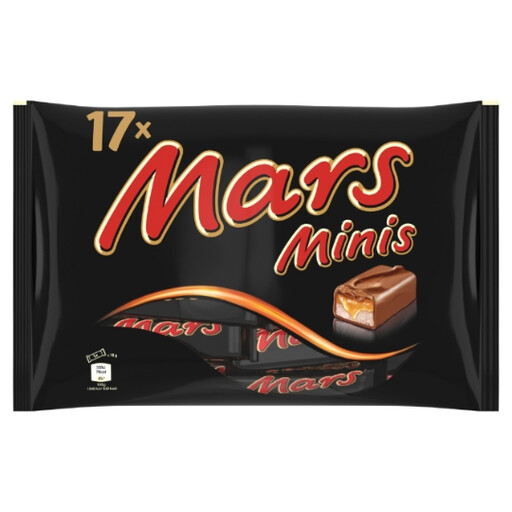 Image unavailable
MARS Minis Caramel and Nougat, 333 g
Worth considering if you’re after small chocolate bars rather than squares you need to break off a bar. The bag is listed as 333 g; check the number of pieces and the allergens on the packaging before filling the hiding places.
View on Joybuy
 Image unavailable
Lindt EXCELLENCE 70% Dark, 35 g mini bar
For hiding one whole bar rather than several smaller pieces. This dark chocolate mini bar is 70% cocoa and weighs 35 g; check that this suits your plans for sharing it out, and check the product’s allergen information too.
View on Joybuy
 Image unavailable
Nestlé KitKat Strawberry Short Cake, 9 pieces, 104.4 g
For a hunt where small KitKat bars work better than chocolate bar squares. The pack is listed as containing 9 pieces and weighing 104.4 g; check the packaging for the ingredients, allergens and nutritional information that matter to your choice.
View on Joybuy
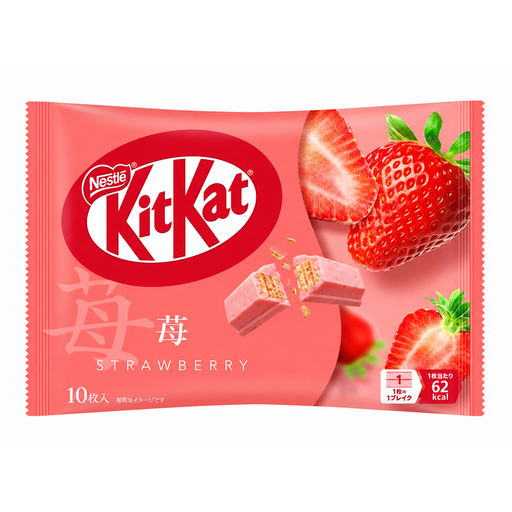 Image unavailable
Strawberry-flavour KitKat, 10 bars
Worth considering if you’d like to share out strawberry-flavoured bars. The title lists 10 bars, but check the packaging to confirm the quantity and weight before planning the hiding places; also check the allergens and sugars per 100 g if these are important to your choice.
View on Joybuy
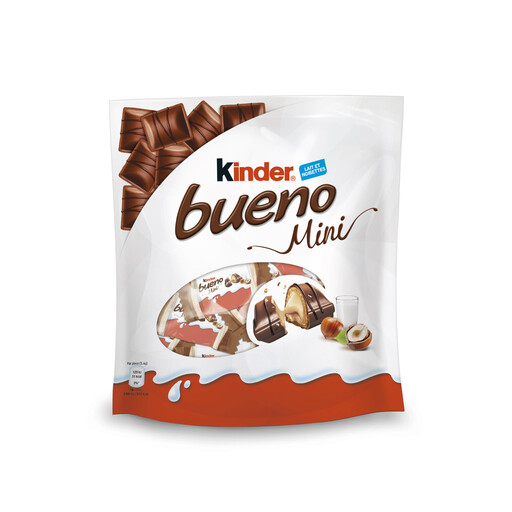 Image unavailable
Kinder Bueno Mini, 108 g
For offering small chocolate treats rather than mini chocolate bars. The bag is listed as 108 g; if you need to prepare identical hiding places, confirm the number of pieces, how they’re presented and the allergens on the packaging.
View on Joybuy
Frequently asked questions
Is Nutri-Score compulsory on a bar of chocolate?
No. In France, Santé publique France says that producers display Nutri-Score voluntarily. When comparing products, also read the ingredients and the nutrition declaration required for the foods concerned, including the values per 100 g.
What should I check if several children are taking part in the hunt?
Check the ingredients list, highlighted allergens and any ‘may contain’ warnings for each chocolate. Ask about dietary requirements before choosing products: two products from the same brand may have different recipes.
Is a mini bar a suitable portion for every child?
No: ‘mini’ describes the format, not an amount that’s suitable for every child. Manger Bouger notes that the needs of children aged 4–11 vary with age and from child to child; check the weight of each piece before deciding how to share them out.
Does the tax on sugary drinks apply to a bar of chocolate?
The tax mentioned by the Ministry of the Economy applies to non-alcoholic drinks, not solid chocolate bars. To compare chocolates for the hunt, check their ingredients and the ‘of which sugars’ figure per 100 g instead.


