For a snack around your workout, compare the protein per 100 g and ingredients in plain nuts with those in an almond bar: they may not meet the same criteria. If you’re planning an Easter egg hunt with children under 6, Manger Bouger advises against giving them whole nuts because of the risk of choking. Instead, choose a food with nuts incorporated in powdered form, after checking for any relevant allergies.
Who are these options for?
Anyone looking for a plant-based snack around their workout
If you want to compare foods containing plant protein, peanuts, almonds and pistachios are among the oilseeds listed by Anses. Check the protein content and ingredients for the product you choose, but don’t assume that its protein content qualifies it to carry the regulated ‘high protein’ claim.
Parents organising an Easter egg hunt
If young children are taking part, the product’s form matters more than its protein content. Manger Bouger advises against giving whole nuts to children under 6 because of the risk of choking.
Anyone keeping an eye on allergens and ingredients
A bag of nuts and an almond bar may have different ingredients. Check the ingredients, allergens and any ‘may contain’ warnings for each product, especially if you’re sharing the snack.
What should you look for first?
First, choose a form that’s suitable for the people who’ll be eating it, then compare the ingredients and nutritional information.
| Criterion |
What to check |
Who is it for? |
| Protein and ingredients |
Compare the protein and energy per 100 g, as well as the ingredients list. |
After exercise, I want to compare the protein content without choosing based on the product name alone. Around 33% of consumers would prioritise this comparison and a simple ingredients list. |
| A suitable form for children |
For children under 6, avoid whole nuts; consider a food with nuts incorporated in powdered form. |
For an Easter egg hunt with young children, I need to avoid giving them whole nuts. A suitable form would be the main consideration for around 27% of consumers. |
| Plain nuts |
Depending on what you’re looking for, check that the product contains no salt, added sugar or chocolate. |
For a small handful of nuts, I’d choose an unsalted, unsweetened product with no chocolate over a flavoured version. This would be the priority for around 20% of consumers. |
| Allergens and added ingredients |
Check the allergens and any ‘may contain’ warnings on the label of the product you buy. |
If the snack is for several people, I need to know what’s in it before sharing. Around 20% of consumers would put this check first. |
Mistakes to avoid
-
Assuming nuts automatically qualify as ‘high protein’
In the European Union, Regulation (EC) No 1924/2006 reserves this claim for foods that derive at least 20% of their energy from protein. The presence of almonds alone, or a protein figure per 100 g, isn’t enough to show that the criteria are met.
Compare the nutrition table and don’t assume that a nut product carries this claim.
-
Putting whole nuts in the Easter eggs
Manger Bouger advises against giving whole nuts to children under 6 because of the risk of choking.
For these children, choose a food with nuts incorporated in powdered form, or an option without nuts if participants’ allergies make that necessary.
-
Choosing a bar without checking its ingredients
An almond protein bar won’t necessarily have the same ingredients as a bag of almonds. Added ingredients and other allergens may affect your choice, particularly for a group Easter egg hunt.
Check the ingredients list and any ‘may contain’ warnings on the specific bar you plan to share.
Retailers to check
Carrefour
Carrefour stocks products including Maître Prunille unsalted roasted almonds and a FULFIL almond protein bar: two categories to compare separately.
- The product pages let you check the format and ingredients of each product.
- Don’t assume that the features of a bar apply to a bag of almonds, or vice versa.
Auchan
Auchan’s almond range includes several varieties. The product page for POUCE unsalted almonds, 125 g, lists 21 g of protein per 100 g.
- This figure gives you a benchmark for comparing POUCE with other labelled products.
- It doesn’t apply to every product in the almond range or to almond bars.
Lidl
Lidl’s Alesto page features products including plain almonds and plain cashew nuts.
- The type of nut and how it’s prepared give you a starting point when choosing a format.
- Check the nutritional information and allergens on the specific product you choose.
Aldi
An Aldi product page features Trader Joe's shelled almonds in a 500 g bag.
- You can compare the pack size with smaller bags, depending on how many people you’re buying for.
- To check the protein content or allergens, refer to the label on the bag you choose.
Nuts available on Joybuy
These two products are bagged nuts to consider as snacks; they’re not a substitute for a powdered preparation suitable for an Easter egg hunt with young children.
 Image unavailable
BENENUTS Unsalted Cashew Nuts, 130 g
For a snack around your workout, this bag is a good choice if you’re looking for unsalted cashews rather than an almond bar.
130 g pack. Check the label if you have an allergy, and don’t give whole cashews to children under 6, in line with the advice from Manger Bouger.
View on Joybuy
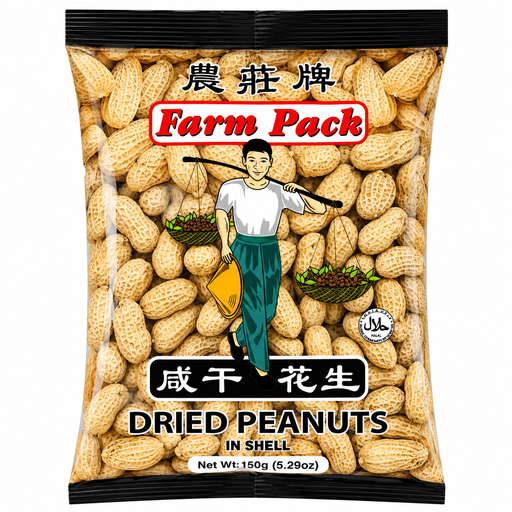 Image unavailable
Farm Pack Dried Peanuts, 300 g
If you want to compare peanuts with other nuts as a snack, this bag is a different option from unsalted cashews.
300 g pack. This product contains salt and sugar, so it doesn’t meet the criteria for an unsalted, unsweetened snack. Bear in mind that peanuts are an allergen, and don’t give whole nuts to children under 6, in line with Manger Bouger’s advice.
View on Joybuy
Frequently asked questions
Are almonds automatically ‘high in protein’?
No. In the European Union, Regulation (EC) No 1924/2006 requires at least 20% of a food’s energy to come from protein before this claim can be used. Check the nutritional information for the product in question rather than relying on the protein content per 100 g alone.
Can you hide whole almonds for an Easter egg hunt with young children?
Not if the hunt is for children under 6. Manger Bouger advises against giving them whole nuts because of the risk of choking. If you’re preparing food that contains nuts, incorporate them in powdered form and check for allergies among the participants.
What should you check before sharing an almond bar?
Read the ingredients, allergens and any ‘may contain’ warnings on the packaging of the bar you choose. The word ‘almond’ in its name doesn’t tell you everything about its ingredients or whether it’s suitable for people with allergies.
How should you store almonds after opening?
Follow the instructions on the bag you buy. For POUCE unsalted almonds, Auchan advises resealing the bag tightly after opening and using its contents within 15 days, keeping it away from heat and moisture.


