Organisers sharing out the biscuits
If you’re preparing several hiding places, pre-portioned biscuits can make them easier to carry and hand out. Count the sachets in the pack you choose before planning one portion per participant.


For a biscuit to share after the egg hunt, a pack of Digestives or petit-beurre biscuits could be a good choice. If you’re splitting biscuits between several hiding places, check how many individual sachets are included. Choose homemade shortbread if cutting and decorating egg shapes is part of the activity, and allow time for preparation. In every case, check the ingredients and allergens for the product you’re using: the name ‘Digestive’ doesn’t promise any effect on digestion.
If you’re preparing several hiding places, pre-portioned biscuits can make them easier to carry and hand out. Count the sachets in the pack you choose before planning one portion per participant.
A Digestive, a petit-beurre biscuit or traditional shortbread can be a treat during a break after the activity. The recipe, ingredients and pack format help you tell these options apart.
Cutting shortbread into egg shapes makes preparation part of the activity, provided you have time to bake the biscuits and let them cool before decorating.
First decide whether the biscuits will go in the hiding places, be shared after the hunt or be made as an Easter activity. The pack format and recipe then matter more than the biscuit’s name alone.
| Criteria | What to check | Who is this for? |
|---|---|---|
| Portions to hand out | Number of sachets in the pack; storage requirements during the activity. | If I’m planning several hiding places, I want to be able to hand out the biscuits without opening a large pack on the spot. Around 42% of consumers would make pre-portioned biscuits their priority. |
| A plain biscuit to share | Ingredients list, allergens, net weight and nutritional information per 100 g. | For a break after the hunt, I’d rather choose a recipe that suits the group than rely on the name ‘Digestive’. Around 33% of consumers would prioritise a classic plain biscuit. |
| Egg-shaped decorations | Preparation time, equipment needed and recipe ingredients. | I’d like the biscuits to be part of the fun, with egg shapes to decorate. Around 25% of consumers would put this personal touch first. |
Here, the name refers to a type of biscuit; it doesn’t prove that it has any benefit for digestion.
Choose a product based on its recipe and labelling. To compare the nutritional information on two packs, use the values given per 100 g.
A sharing pack needs extra preparation if each hiding place is to contain a separate portion.
Check how many sachets are included, or divide up the biscuits before the activity, taking storage requirements and allergens into account.
The recipes reviewed don’t all contain the same ingredients. An individual pack doesn’t change the allergens in the biscuit.
Read the label on the pack you buy, including any statements about possible traces of other allergens. The DGCCRF says allergenic ingredients must be highlighted on the label.
Lidl’s recipe for egg-shaped shortbread includes cutting, baking, cooling and assembling the biscuits.
Choose this option if making the biscuits is part of the activity; otherwise, opt for biscuits that are ready to serve.
You’ll also need to allow for the ingredients, baking equipment and preparation time.
These products illustrate different recipes and pack formats. Always compare the specific pack you’re thinking of using.
Worth considering if you’re specifically looking for Digestives to share: Carrefour lists Digestive Original in a 360 g pack.
Sablés de Retz are a coconut shortbread option rather than a Digestive. St Michel lists a 120 g box containing four sachets of five biscuits.
Le Véritable Petit Beurre offers another type of plain biscuit. Carrefour lists a 400 g pack and, separately, a Pocket version with twelve individual sachets.
These plain biscuits are ready to serve and could be shared or divided into portions during an Easter egg hunt. Check the exact pack format if you need separate sachets.
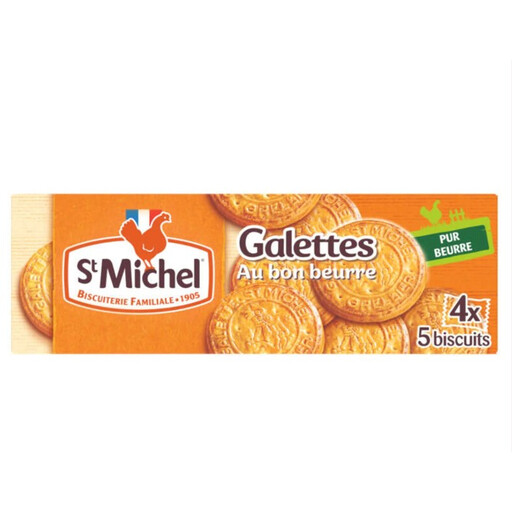 Image unavailable
A shortbread option if you’d prefer this recipe to Digestives for your Easter egg hunt. The pack shown is 120 g; before relying on separate portions, confirm how many sachets are included in the pack on offer. Check the allergens on the packaging you buy.
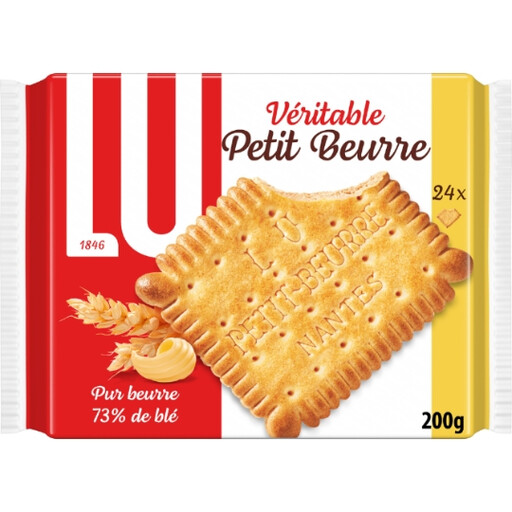 Image unavailable
These petit-beurre biscuits are a good fit if you’re looking for a plain biscuit to share after the activity. This product comes in a 200 g pack, unlike the 400 g and Pocket LU formats mentioned above. If you need separate portions, check the pack format and plan how to divide the biscuits. Also read the allergen information.
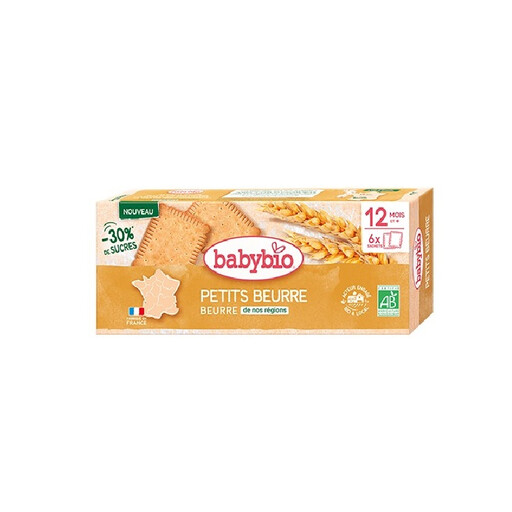 Image unavailable
This 120 g product is intended for a different purpose from sharing among participants in general: it’s for children aged 12 months and over, who should be supervised while eating because of the risk of choking. If you’re looking for individually wrapped portions, check how many sachets are in the pack you choose, as well as its allergen information.
No. The name of this type of biscuit doesn’t prove that it has this effect. When choosing a pack, look at its ingredients and nutritional information instead, without assuming it offers digestive benefits.
Read the label on each product, including highlighted allergens and any statements about possible traces. The recipes reviewed may contain wheat or milk, among other ingredients, and other ingredients or traces may be present depending on the biscuit. The name ‘shortbread’ or ‘petit-beurre’ alone isn’t enough to tell you.
Yes, as long as you allow time to cut, bake and cool the biscuits before decorating them. Lidl’s recipe says to leave the shortbread to cool before icing and assembling it. Then store it appropriately for the ingredients used.
Compare the ingredients, allergens and nutritional values on the same basis rather than relying on the name or pack size. For prepacked foods, the DGCCRF uses nutritional values per 100 g as a basis for comparison and says allergenic ingredients must be highlighted.