
Livraison le jour même ou le lendemain

Qualité garantie

Débloquez vos offres de bienvenue: Livraison GRATUITE | Jusqu'à -80 % | 30 jours d'essai gratuits à JoyPlus
Téléchargez l'application
Whether you're a parent, grandparent, or family friend, navigating the vast world of early learning toys and baby gear can be a real challenge. The market is saturated, marketing promises are everywhere, and it's easy to feel overwhelmed. Yet, the goal remains the same: to find a safe, stimulating, and durable product that will support a child's development. But beware of the common pitfalls that can turn a promising purchase into a major disappointment.
Before you decide, watch out for these three frequent traps:
Making the right choice means looking beyond the marketing hype to focus on objective criteria that guarantee the product's safety and relevance for your child.
To avoid unpleasant surprises and ensure a safe play environment, three fundamental points should guide your selection. This is the foundation of good baby gear.
Safety is non-negotiable. In Europe, strict standards regulate children's products. Knowing them is the first step to an effective shortlisting process.
A genuinely convertible product is a smart investment. To separate fact from fiction, look closely at the adjustment mechanisms.
A toy or piece of gear is meant to be handled, chewed on—in short, to be put through its paces. The quality of the materials is therefore paramount.
Because every family has different needs, here are a few suggestions that cater to various use cases, always keeping our criteria of safety and relevance in mind.
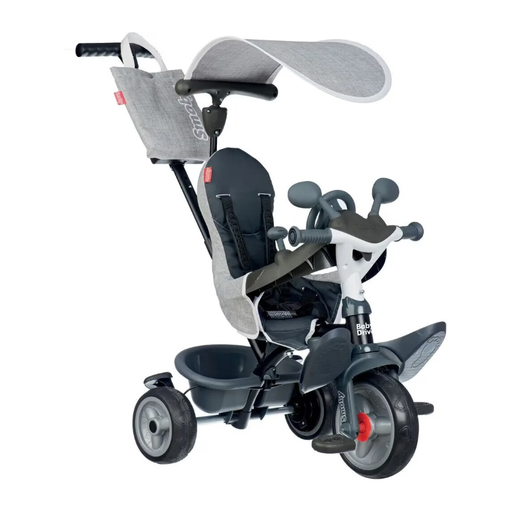
Why it's a great choice: This trike grows with your child from 10 months to over 3 years, transitioning from a secure "push-along" mode to an independent tricycle. It's a single purchase that pays off over several key years of motor development.
It sidesteps the "false adaptability" trap with its EN 1888-1 stroller certification, which attests to its reliability in push-along mode. Its components (handle, seat, pedals) are designed to be genuinely easy to adjust or remove, without any hassle.
The intuitive steering system via the parent handle and the parking brake offer excellent control and safety during walks. The extra bonus? It's made in Spain.
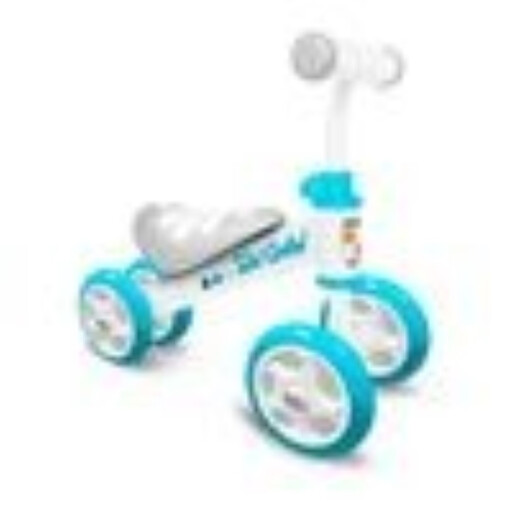
Why it's a great choice: Ideal for toddlers (from 18 months) who are learning to walk and find their balance. Its 4-wheel design offers reassuring stability to build the child's confidence, both indoors and out.
This product avoids the overstimulation pitfall. It focuses on a single goal: developing motor skills and balance. No lights or sounds, just the essentials to help the child focus on their movements and sensations.
Its low steel frame allows a child to get on and off independently and safely. The four large wheels ensure rock-solid stability.
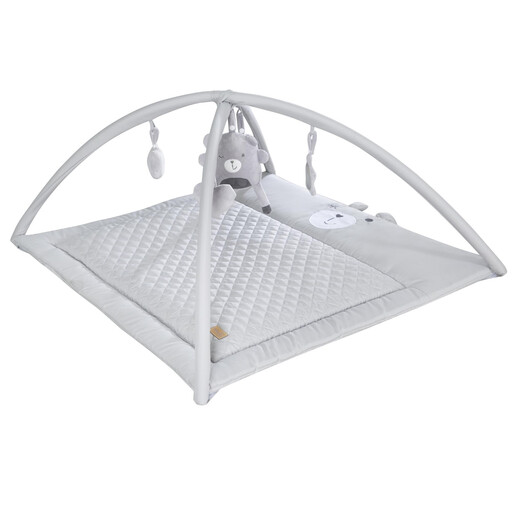
Why it's a great choice: It's the perfect newborn gift: it provides a comfortable and safe floor play space from the very first weeks. It gently stimulates baby's senses (sight, hearing, touch).
It avoids the neglected safety pitfall: all materials are tested and certified free of harmful substances. The 5 hanging toys are designed to be perfectly safe and encourage simple interactions (mirror, rattle, crinkly paper).
Its versatility is its greatest strength. The surface is waterproof and easy to clean, while the removable arches allow it to be transformed into a simple play or changing mat.
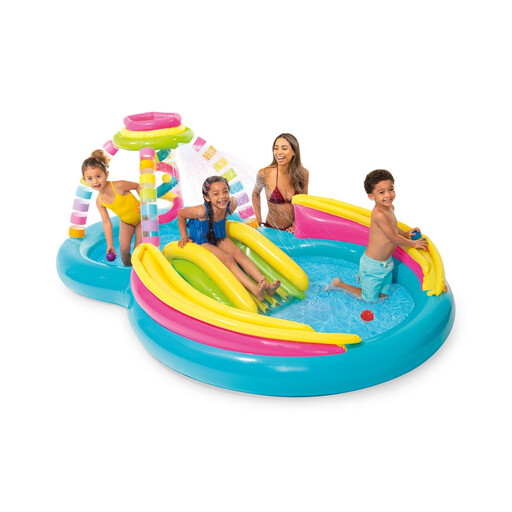
Why it's a great choice: As soon as the weather warms up, this outdoor play centre transforms the garden into a mini water park. It's perfect for keeping several young children (ages 2 and up) busy with a host of refreshing activities.
It avoids the pitfall of a single-use seasonal toy by integrating multiple features: a slide, two wading pools, a water sprayer, and ball games. This maximizes its play potential throughout the warm season.
Its ease of setup is a real plus: just connect it to a standard garden hose. The drain plugs also simplify cleaning and storage once playtime is over.
We've curated a complete, up-to-date selection of products that meet our strict selection criteria and European safety regulations.
Most models are designed for use from 10 or 12 months in "parent-push" mode, with all safety features (harness, safety bar) in place. At this age, it can replace a stroller for short walks. Its value increases around 15-18 months, when the child starts wanting to touch the handlebars. It becomes a real tool for learning independence between 2 and 3 years old, when the child is ready to pedal on their own.
The choice depends on the child's developmental stage. The walker-pusher is a walking aid, ideal for babies who are starting to stand and take their first steps (around 12 months). It provides frontal stability for pushing. The baby balance bike, often lower to the ground and without pedals, is aimed at slightly older toddlers (usually 18 months and up) who are already walking confidently. Its main purpose is to teach balance, a key step before learning to ride a bicycle.
The primary criterion is material certification, which must guarantee the absence of harmful substances (phthalates, BPA, etc.). Next, check the strength of the seams and the attachment of any hanging toys: no small parts should be able to detach and present a choking hazard. Finally, the mat should be thick enough to cushion falls and, ideally, have a non-slip base to prevent it from sliding on smooth floors.