Joybuy Insights

Early Development Toys: The Ultimate Guide to Choosing、】【

Choosing a child's first toys can quickly become overwhelming. Faced with a plethora of options, how can you ensure a toy is not only fun but also safe, developmentally appropriate, and, if possible, sustainable?? My role, as Head of Product Recommendations at Joybuy, is to guide you through this maze. In this article, we'll break down the essential criteria and present a selection of tried-and-tested early development toys to support little ones in their first great discoveries.

Buyer's Guide: Essential Criteria for an Early Development Toy

Before diving into our selection, let's review the key points for a successful purchase.

1. Safety First: Standards and Materials

Safety?: it's a given, but how do you verify it?? In Europe, the CE mark is the essential benchmark. It guarantees that the manufacturer complies with the continent's safety requirements. Pay close attention to materials?: opt for BPA-free plastics, and untreated wood or wood finished with non-toxic, water-based paints. Finally, check for any small, detachable parts for children under 3 to eliminate any choking hazards.

2. Matching the Toy to the Developmental Stage

To each age its own discoveries, and therefore, its own toys.

  • 6 to 12 months?: This is the prime time for sensory awakening. Rattles, playmats with varied textures, fabric books, or soft blocks stimulate sight, touch, and hearing.
  • From 1 year?: The child begins to move around and refine their coordination. This is the ideal time for a first baby walker or a ride-on toy, which promote motor skill development. A good toy for a 1-year-old encourages experimentation, such as shape sorters or early stacking games.
  • 2 to 3 years?: The child gains confidence and balance. An early-stage balance bike can be an excellent option to prepare them for learning to ride a bicycle. Pretend play and simple puzzles also become more engaging.

3. Thinking Durability and Versatility: A Smart Investment

A good toy is also one that stands the test of time (and of little hands?!). Opt for sturdy products that can withstand the sometimes energetic handling of toddlers. A versatile toy that offers multiple ways to play or evolves with the child is an excellent long-term investment.

Our Early Development Toy Picks

Let's get practical?! Here are a few products that tick all the boxes and meet specific child development needs.
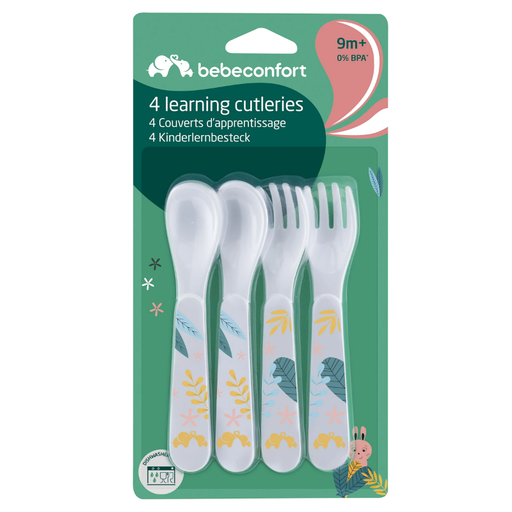
B?B? CONFORT Mealtime Learning Set

Set d'Apprentissage Repas B?B? CONFORT

  • Why it stands out?: More than a toy, this is an essential learning tool. This set turns mealtime into a moment of discovery and fine motor skill development, a key step towards independence.
  • Benefits?:
    • Ergonomically designed for little hands, making them easy to grip.
    • Complete 4-piece set, perfect for starting food diversification.
    • Durable plastic material that is perfectly safe for babies.
  • Who is it for?? Ideal for babies who are starting to eat on their own. It's also an excellent newborn gift idea that's as smart as it is useful for parents.

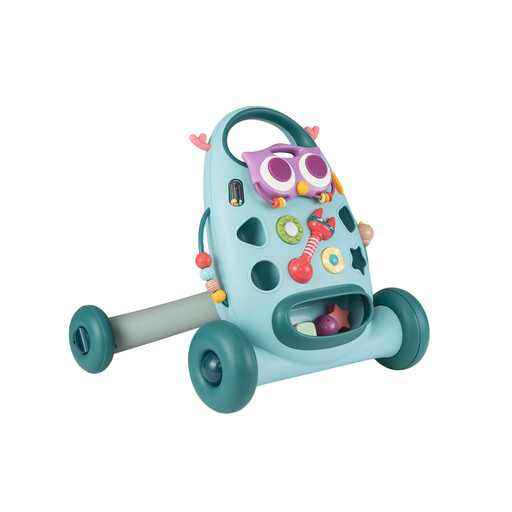
Baby Walker with Removable Play Panel

Trotteur Bébé avec Tableau de Jeu Amovible

  • Why it stands out?: This baby walker is a true 2-in-1 activity centre. It supports a child's first steps while offering a removable, Montessori-inspired play panel to stimulate their cognitive skills.
  • Benefits?:
    • Stable triangular structure and rounded corners for guaranteed safety.
    • Adjustable rear wheel speed to match the child's progress.
    • Detachable activity panel with a shape sorter, rotating toys, and sound and light features.
    • Supports up to 25?kg thanks to its robust materials (PP+ABS).
  • Who is it for?? Perfect for children aged 12 to 36 months who are gaining the confidence to start walking. It supports baby's motor skill development in a fun and comprehensive way.

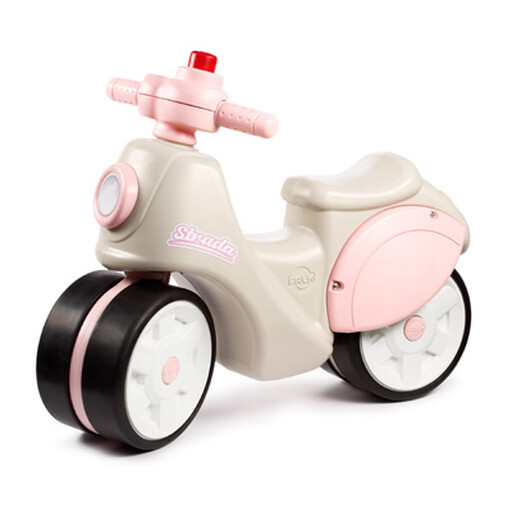
Vedes Early Age Scooter Ride-On with Silent Wheels

Porteur Scooter Premier ?ge Vedes

  • Why it stands out?: This ride-on toy with an irresistible retro look combines style and function. Its silent elastomer wheels make it just as suitable for indoor as for outdoor use, without scratching floors or disturbing the neighbours.
  • Benefits?:
    • Wide, silent wheels for rock-solid stability.
    • Made in France, a guarantee of quality and durability.
    • Steerable handlebars and a manual horn for true-to-life play.
    • Develops balance and gross motor skills.
  • Who is it for?? Designed for 1-3 year-olds, this ride-on is an excellent transition before an early-stage balance bike. A superb toy for a 1-year-old that will stand the test of time.

Looking for Other Options?

Is your child growing up fast, and are you already anticipating their next needs?? Or perhaps you're looking for a gift for a slightly older child?? The world of toys is vast, and every developmental stage deserves special attention.

To explore games suitable for older children, discover our selection of popular toys for four-year-olds.

Your Questions, Our Answers (FAQ)

1. From what age should you give a walker or a ride-on toy??

A baby walker (or push toy) is generally recommended when a child starts to stand up and take their first steps while holding onto furniture, often between 9 and 12 months. A ride-on toy, which the child sits on and pushes with their feet, is suitable a little later, around 12-18 months, once they have gained confidence in their walking and coordination.

2. How can you safely clean early development toys??

For plastic toys, a damp cloth with soapy water is usually sufficient. Rinse well and dry completely. For wooden toys, avoid immersing them in water?: a slightly damp cloth will do the trick. For fabric toys, follow the washing instructions on the label. Avoid harsh chemicals or disinfectant wipes that could leave harmful residues.

3. What is the difference between a sensory toy and a motor skills toy??

Sensory toys primarily focus on stimulating the senses (sight, hearing, touch) and early cognitive development (cause and effect, shape recognition). Motor skills toys, such as walkers, ride-ons, or balance bikes, specifically target baby's motor skill development, whether it's gross motor skills (walking, running, pushing) or fine motor skills (stacking, screwing, handling small objects). In practice, the line is often blurred, and a good toy usually serves multiple functions at once.