
Livraison le jour même ou le lendemain

Qualité garantie

Débloquez vos offres de bienvenue: Livraison GRATUITE | Jusqu'à -80 % | 30 jours d'essai gratuits à JoyPlus
Téléchargez l'application
Choosing a toy for a toddler can often be a daunting task. Faced with brand promises, conflicting reviews, and an overwhelming number of options, it's hard to know where to start. Yet, whether you're a parent, grandparent, or friend, the goal is always the same: to find an item that is fun, safe, and beneficial for a child's development.
At Joybuy, our mission is to help you gain clarity. This guide provides our expert advice and practical tips for selecting a relevant early development toy that meets your child's needs and current safety standards.
By the Joybuy Team, Your Product Experts
Before we dive into our top picks, let's review the essential criteria for making an informed choice.
The golden rule: always check for toy compliance. In Europe, the CE mark is mandatory. It certifies that the manufacturer declares conformity with European safety regulations. Pay special attention to the following:
For an early development toy to captivate a child without causing frustration, it must be perfectly suited to their current abilities.
Let's not forget: a good educational toy for toddlers is, first and foremost, fun. The educational aspect should emerge naturally from play, not feel like a chore. It could be about stimulating logic (shape sorters), fine motor skills (lacing beads), or simply creativity. The key is that the toy opens multiple doors for exploration and imagination.
To illustrate these criteria, here are a few flagship products from our 2026 selection, each suited for a specific age and purpose.
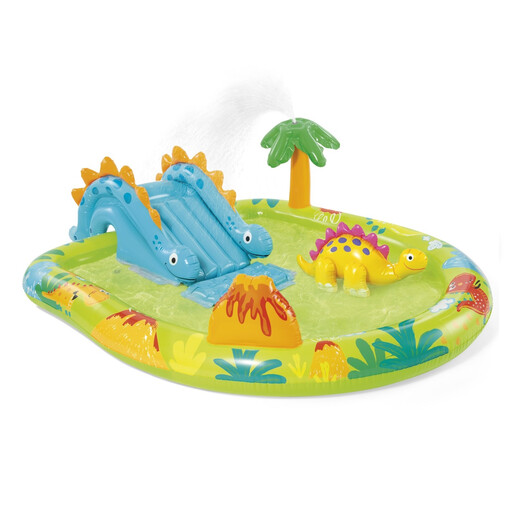
Why we love it: This kiddie pool transforms the garden into a miniature water park. It combines a small pool, a slide, and a water sprayer, perfect for having fun and cooling off on sunny days.
Benefits:
Who it's for: Perfect for children aged 2 and up who want to discover the joys of water in the garden, always under the watchful eye of an adult.
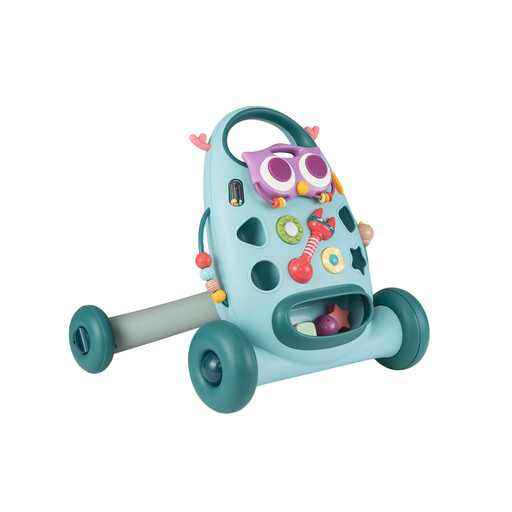
Why we love it: This baby walker is much more than a simple push toy; it's a true 2-in-1 companion that aids in learning to walk while offering a complete activity centre. Its smart design focuses on safety and gradual learning.
Benefits:
Who it's for: A must-have for children from 12 to 36 months, as soon as they start to stand. It's the quintessential toy for a 1-year-old to encourage independence.
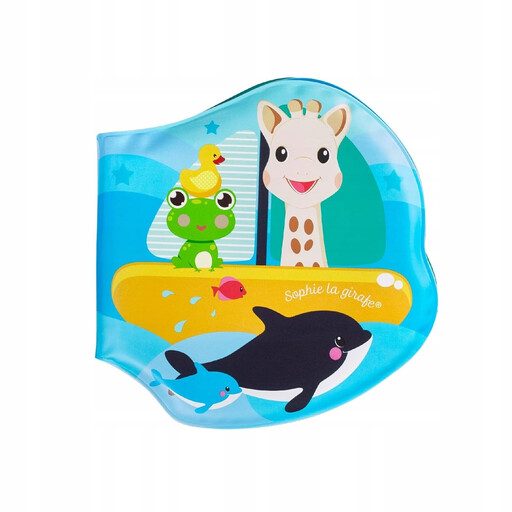
Why we love it: This bath toy turns bathtime into a moment of discovery. Lightweight and easy for little hands to grasp, it's a fun and interactive first introduction to books.
Benefits:
Who it's for: For all babies from 4 months and up, to turn bathtime into a moment of play and learning.
Our selection is, of course, just a glimpse of the possibilities for supporting your child's development. Each stage of their growth opens the door to new types of play: puzzles, musical instruments, building sets, and more.
To explore further and discover a full range of toys designed to stimulate logic and coordination, browse our dedicated category.
? Discover our complete collection of Cognitive Development Toys for Toddlers.
For a first birthday, choose a toy that encourages gross motor skills and coordination. Think about push or pull toys, ride-ons, walkers, large stacking blocks, or simple shape sorters. The idea is to support them as they learn to walk and interact with the world around them.
For most toys (plastic, wood, rubber), regular cleaning with warm, soapy water is sufficient. Rinse well and let them air dry. For a deeper disinfection, a solution of water and white vinegar (half-and-half) is a natural and effective alternative. Avoid harsh chemical products. For plush and fabric toys, simply refer to the washing label.
Development begins at birth. You can therefore introduce an educational toy for toddlers very early, as long as it is age-appropriate. A mobile above the crib or a high-contrast rattle is already an excellent visual and auditory development tool for a newborn. The key is to evolve the toys at the same pace as the child, smoothly transitioning from pure sensory stimulation to games that engage their logic and fine motor skills.