Households with frequent large washes
If your laundry baskets are often full, compare their usual volume with the capacities available. A larger drum is only worthwhile if it suits the loads you actually wash.


If you regularly wash large loads and bulky items, it’s worth considering a 10 to 12 kg washing machine. However, Que Choisir says that 8 to 9 kg is generally enough for a household of 3 to 4 people. Count how often you wash large loads before choosing a bigger drum. If you also wash smaller loads, check whether the machine adjusts to the load, what the energy label says about consumption and how much space you’ll need for installation.
How often you wash large loads matters more than the occasional duvet in your laundry basket.
If your laundry baskets are often full, compare their usual volume with the capacities available. A larger drum is only worthwhile if it suits the loads you actually wash.
For sheets, throws and duvets, the capacity in kilograms isn’t the only thing to consider. Que Choisir explains that the stated capacity refers to the weight of dry laundry. Also check the programme’s load limit and the care instructions for the item.
A high capacity can handle large washes, but that alone won’t solve the question of smaller loads. Check whether the model you’re considering specifies how it adjusts to the load, then compare its consumption figures.
Start with the size and frequency of your loads, then check the programmes, energy label and overall dimensions separately.
| Feature | What to check | Think about your needs |
|---|---|---|
| Capacity | Count how many large loads you wash over several weeks. Compare 8 to 9 kg with 10 to 12 kg based on how often you wash them, rather than choosing according to the size of the largest occasional wash. | Are your laundry baskets regularly full? Que Choisir says that 8 to 9 kg is generally enough for a household of 3 to 4 people. |
| Duvets | Check whether there’s a suitable programme, its maximum load in the manual and the duvet’s washing instructions. The machine’s stated capacity doesn’t automatically apply to every programme. | I often wash thick items at home: I need to check that they’re suitable for the intended programme, not just that they fit in the drum. |
| Small loads | Find out what the model actually adjusts according to the weight of the laundry: cycle time, water or energy. Also compare kWh per 100 cycles and litres per cycle on the energy label. | I also wash smaller, sorted loads between larger washes. A high capacity doesn’t remove the need to consider how you’ll use the machine day to day. |
| Cycles and spin | Compare the Eco 40-60 cycle duration, spin speed and noise figures for the models you’re considering. The figures for the reference cycle don’t describe every other programme. | I use my washing machine often, so cycle length, spin noise and how I dry my laundry all matter when choosing a model. |
| Installation | Check the overall depth, space for the connections and clearance needed to open the door. Don’t rely on the appliance’s width alone. | I want to be able to load bulky items without the door or connections getting in the way of installation. |
| Durability | For a model sold in France, check its durability index if one is displayed, as well as model-specific information about parts and maintenance. | If the machine will be used often, I want to compare more than just its capacity and programmes. |
If most of your loads are small, the extra capacity may rarely be used. Que Choisir’s advice to choose a machine to suit your usual loads is particularly relevant here.
Make a note of how often you wash large loads before comparing an 8 to 9 kg machine with a model of 10 kg or more.
The rating doesn’t replace the other information on the label, including energy use per 100 cycles, water per cycle and the Eco 40-60 cycle duration.
Compare these figures on the same basis across models, then consider which programmes you’ll actually use.
Que Choisir points out that the stated capacity refers to the weight of dry laundry. A duvet must also be within the limits of the selected programme and comply with its own care instructions.
Before buying, check the manual for the load limit of the down or duvet programme, if there is one.
The casing depth may differ from the overall depth. For example, the LG F14R50WHS specifications distinguish between a casing depth of 565 mm and an overall depth of 620 mm.
Measure the space, including the connections and room for the door to open, before choosing a model.
These examples relate to specific models: a feature listed for one model doesn’t apply to every washing machine from that brand.
The F14R50WHS is an 11 kg washing machine worth considering for large loads, provided you check its programmes and the space available in your home.
The EW6FI4210AB combines a stated capacity of 10 kg with SensiCare, which may be worth considering if your load sizes vary.
The WGB256A2FR is an example of a 10 kg option for households that also want to consider the maximum spin speed.
These 10 or 11 kg models let you explore the ‘large capacity’ option if you wash large loads frequently. If most of your washes are small, compare them with a more moderate capacity too. For a duvet, check the manual for the specific model.
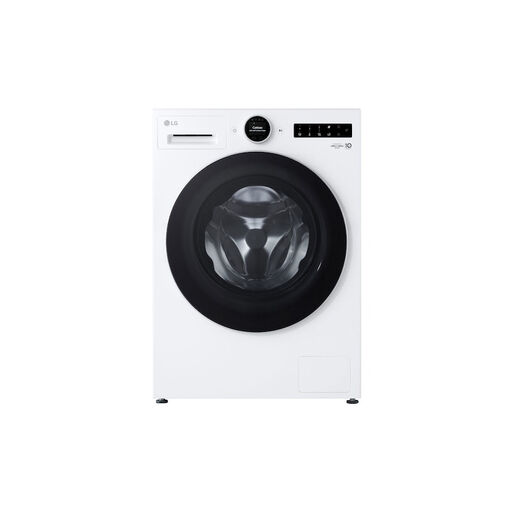 Image unavailable
Worth considering if you regularly wash large loads. The product title lists an 11 kg capacity and an A energy rating. Before washing a duvet, check the load limit for the relevant programme and the installation dimensions.
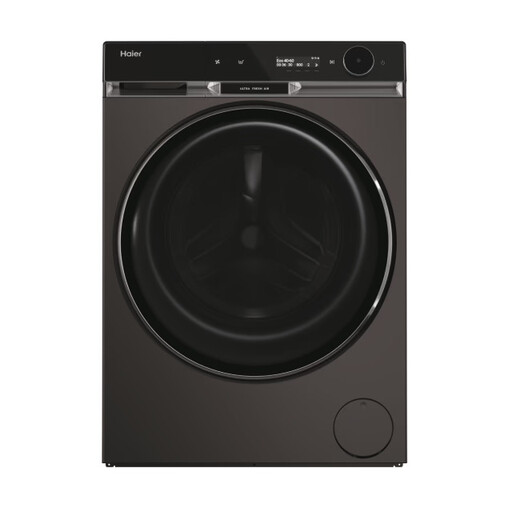 Image unavailable
Its stated 10 kg capacity may suit households looking for room to wash regular large loads. The title lists 1 400 rpm, an A energy rating, AutoDose and Wi-Fi. If you also wash smaller loads, check exactly what the model adjusts according to the load. Read the manual before washing a duvet in it.
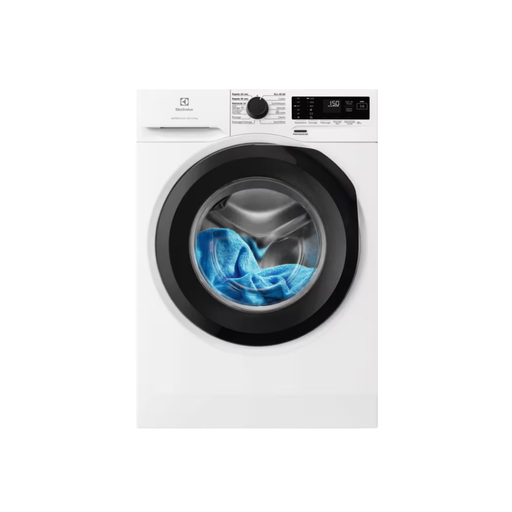 Image unavailable
You can compare its stated 10 kg capacity with the amount of laundry you usually wash. The title mentions TimeSave and an Inverter motor. Check the manual for the programmes and load limits for bulky items, as well as the depth required for installation.
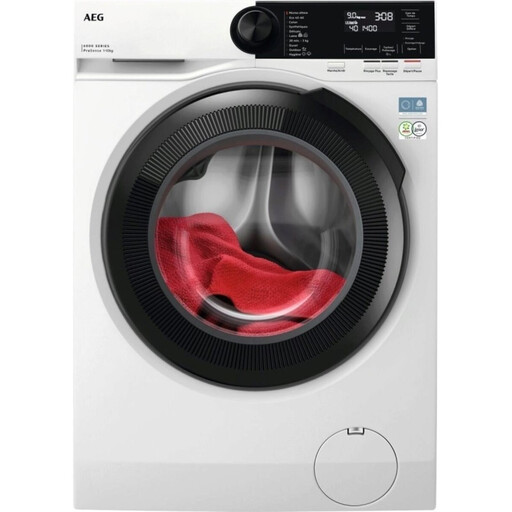 Image unavailable
This 10 kg freestanding model is worth considering if you regularly wash large loads. The title lists a spin speed of 1 400 rpm and an A energy rating. Check the energy label to compare consumption, and read the manual for the load limit of the programme intended for bulky items.
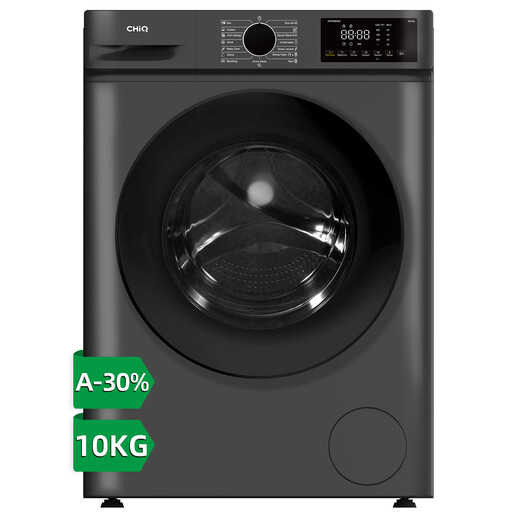 Image unavailable
Worth comparing if you’re looking for a 10 kg capacity for large loads. The title lists a 530 mm drum, 1 400 rpm and 16 programmes, but these details don’t confirm that a particular duvet is suitable. Check the load limit for the appropriate programme and the installation dimensions.
Not necessarily. Que Choisir says that 8 to 9 kg is generally enough for a household of 3 to 4 people. A 10 to 12 kg capacity is mainly worth considering if you regularly wash large loads. In all cases, check the limits of the programme intended for duvets.
Compare the kWh per 100 cycles and litres per cycle on the energy label, and also look at the Eco 40-60 cycle duration, spin speed and noise. The European Commission explains that requirements for efficiency, duration and water use apply to the Eco 40-60 programme, so its figures don’t describe every wash you do.
No. Que Choisir explains that the stated capacity refers to the weight of dry laundry. Check the duvet’s care instructions, whether there’s a suitable programme and the maximum load allowed for that programme in the washing machine’s manual.
Check the European energy label for consumption and reference-cycle details, then look at the durability index if one is displayed. According to the French Ministry for Ecological Transition, this rating out of 10 has been gradually replacing the repairability index for washing machines since 8 April 2025.