
Livraison le jour même ou le lendemain

Qualité garantie

Débloquez vos offres de bienvenue: Livraison GRATUITE | Jusqu'à -80 % | 30 jours d'essai gratuits à JoyPlus
Téléchargez l'application
Choosing a new duvet cover? It seems simple enough. In reality, the task can quickly become a headache. A beautiful online photo guarantees neither a soft touch nor colour fastness after a few washes. The result: we too often end up with bed linen that pills, fades, or turns into a veritable oven once night falls.
I'm the Head of Product Recommendations at Joybuy, and my job is to test and compare products to help you make sense of it all. Let's break down the most common pitfalls together so that your next purchase is finally the right one.
To avoid these pitfalls, you need to focus on two non-negotiable aspects: the material and the size. These two elements alone determine 90% of your long-term comfort and satisfaction.
The choice of fabric directly influences how it feels against your skin, its temperature-regulating properties, and its ease of care.
For a flawless look and optimal comfort, the cover must perfectly match the size of your duvet. Here are the most common dimensions in France:
Rather than overwhelming you with an endless catalogue, we've selected a few gems that meet specific needs while adhering to the quality criteria we've just defined.
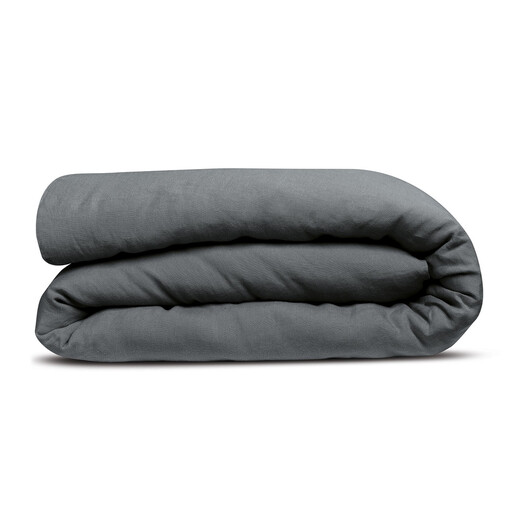
Why we recommend it: This is the perfect choice for anyone who prioritises eco-friendly materials and premium comfort. Hemp, a natural and sustainable fibre, ensures a healthy sleep and a minimalist, modern aesthetic, ideal for a King Size bed.
Its 100% hemp composition is crystal clear, with no room for confusion with synthetic blends. The manufacturing quality promises excellent longevity, a stark contrast to disposable products that wear out in a few months.
Its natural thermoregulating properties guarantee optimal comfort in any season. The fabric softens and improves with every wash.
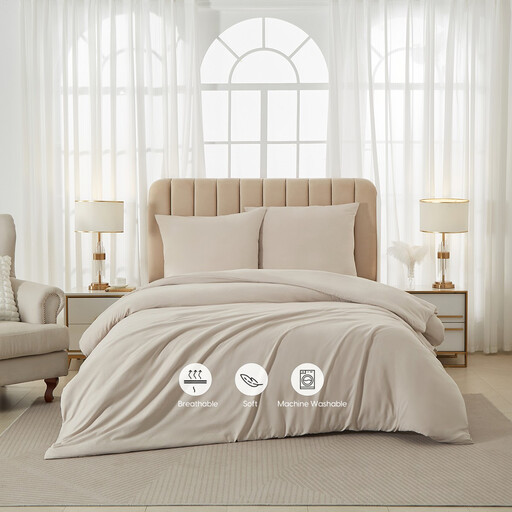
Why we recommend it: A complete solution (duvet cover + pillowcases) for those who put practicality first. Ideal for everyday use, a guest room, or managing a budget, it combines softness, minimal maintenance, and durability.
The description is transparent: 100% polyester microfibre. The product doesn't pretend to be something it's not. The 8 internal ties and the zip closure are thoughtful details that prevent the duvet from shifting, a far too common flaw.
Ultra-simple care (easy to wash, quick to dry, no ironing needed) and the OEKO-TEX certification, which guarantees a healthy textile free from harmful substances.
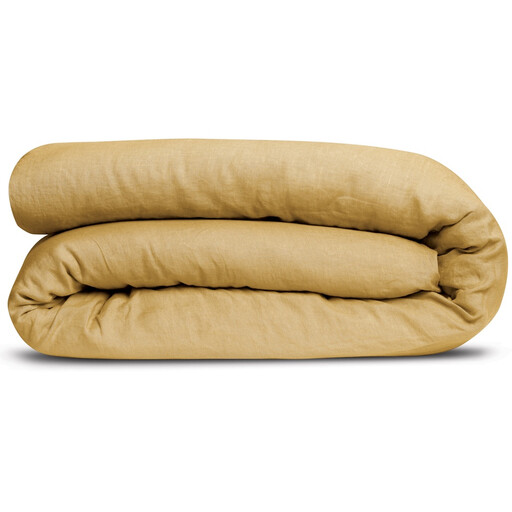
Why we recommend it: For those who love the raw, textured look of linen but don't want to sacrifice the softness of cotton against their skin. This dual-material cover is the perfect compromise between style and comfort, with a warm hue that brings a cosy atmosphere to the bedroom.
Its dual-material design (100% linen front, 100% cotton reverse) is clearly specified. No unpleasant surprises: it intelligently combines the strengths of both fibres for a perfectly balanced result.
The best of both worlds: the natural aesthetic and coolness of linen on the decorative side, and the comforting softness of cotton against your skin.
Explore our full selection of tested and approved products, all of which meet our quality standards.
To avoid overheating at night, bet everything on natural fibres, the champions of breathability. Linen and hemp are the top performers: they absorb moisture and allow air to circulate for a lasting feeling of freshness. Cotton, especially percale, is also an excellent alternative. On the other hand, if you tend to sweat, steer clear of polyester and microfibre.
The golden rule is simple: the cover should be the exact same size as the duvet. The first step before any purchase is to measure your duvet (not your mattress!). As a guide, a 240x220 cm duvet cover is standard for a 140 cm wide bed. For a 160 cm (Queen Size) bed or larger, upgrade to a 260x240 cm duvet cover to ensure an elegant drape and to avoid fighting over the covers at night.
Yes, provided you choose wisely! The quality of a microfibre cover depends on its weave and finishing. A soft duvet cover made from so-called "brushed" microfibre can be surprisingly comfortable and very durable for an unbeatable price. It holds up well to washing and is wrinkle-resistant. While its breathability doesn't match that of natural fibres, it remains an excellent smart choice for practical uses (teen's room, rental property...) or for sleepers who aren't sensitive to heat. A label like OEKO-TEX is a significant advantage, as it guarantees the absence of harmful chemicals.