
Livraison le jour même ou le lendemain

Qualité garantie

Débloquez vos offres de bienvenue: Livraison GRATUITE | Jusqu'à -80 % | 30 jours d'essai gratuits à JoyPlus
Téléchargez l'application
Choosing a new duvet cover? In theory, it’s child’s play. In practice, the experience is often a letdown. A fabric that promises infinite softness but turns scratchy after the first wash, colours that fade to a dull shade, a size that swims around your duvet… These disappointments can turn a simple purchase into a real headache. To avoid falling into these traps, it helps to know what’s hiding behind the glossy photos and marketing jargon.
The goal isn’t to find the “perfect” duvet cover—it doesn’t exist—but to find the one that meets your needs for comfort, durability, and care. Here’s how to navigate the most common pitfalls:
To make an informed decision, ignore the marketing hype and focus on three key points that never lie and define the true quality of your bed linen.
This is the heart of the matter. The material directly impacts the feel, longevity, and ease of care of your duvet cover.
This is a classic rookie mistake. For a double duvet cover, the most common sizes in France are:
Always check the exact dimensions of your duvet before buying. A discrepancy of just a few centimetres is enough for the duvet to get lost inside the cover or, conversely, to become bunched up and uncomfortable.
Often overlooked, these details make all the difference in daily use.
Rather than an endless list, here are a few models that meet specific needs, based on the quality criteria we've just discussed.
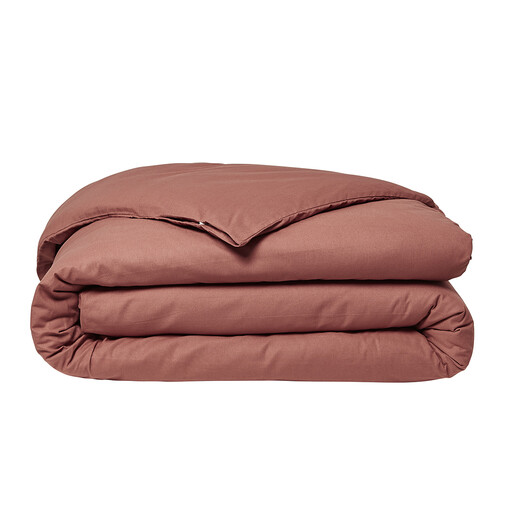
Why it’s a great choice: Perfect for those looking for a reliable and effective everyday option. This 100% cotton cover ensures dependable comfort and comes in a wide range of colours to fit any decor.
It avoids the false softness trap thanks to its 100% cotton, 57 threads/cm? weave—a quality standard that guarantees genuine, long-lasting softness without chemical tricks.
The OEKO-TEX certification provides peace of mind about its healthy composition, while the integrated hand slits simplify the chore of changing sheets.
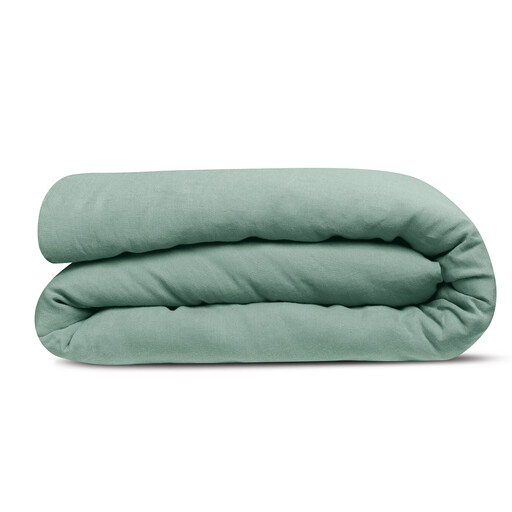
Why it’s a great choice: For those who swear by eco-friendly materials and the benefits of natural fibres. Hemp offers a healthy, breathable, and comfortable sleep experience in any season.
No illusions here: 100% hemp is an authentic and durable fibre whose texture improves with time, unlike low-end blends.
Naturally thermoregulating and hypoallergenic, hemp fibre ensures an ideal sleep microclimate and is gentle on the most sensitive skin, in summer and winter alike.
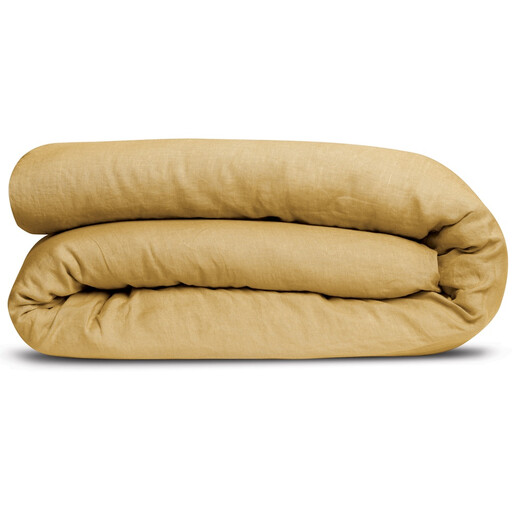
Why it’s a great choice: For those who don’t want to choose between the raw aesthetic of linen and the softness of cotton against the skin. This model brings together the best of both worlds.
It solves the dilemma between style and comfort. The visible side in 100% linen provides the stylish look, while the inner side in 100% cotton guarantees uncompromising softness.
This smart dual-material design allows you to enjoy the thermoregulating qualities of linen and the softness of cotton, creating a bedding set with a particularly stunning visual effect.
Discover our full selection of duvet covers that meet our criteria for quality and safety.
If you tend to get hot at night, natural and breathable materials are your best allies. Linen and hemp are the champions of thermoregulation. Cotton percale, with its cool feel and airy weave, is also an excellent alternative.
Shrinkage is almost always caused by washing at too high a temperature. For cotton, linen, or hemp, follow the instructions on the label (usually a 40°C wash). A first wash in cold water can also help stabilise the fibres. But the real culprit is the high-heat tumble dryer: it should be used sparingly, or even avoided altogether for the most delicate materials.
Absolutely. It's an essential mark of trust. The Oeko-Tex Standard 100 label ensures that every component of the product (fabric, thread, buttons, etc.) has been tested and is free of harmful chemical substances. Since our skin is in direct contact with our bed linen for hours every night, choosing a certified product is a simple and effective precaution to protect your health.