
Livraison le jour même ou le lendemain

Qualité garantie

Débloquez vos offres de bienvenue: Livraison GRATUITE | Jusqu'à -80 % | 30 jours d'essai gratuits à JoyPlus
Téléchargez l'application
Choosing a new duvet? It seems simple enough at first. But the market is a minefield of technical jargon and confusing marketing promises. The result: restless nights, resurgent allergies, or worse, buyer's remorse just a few months down the line. As the Head of Product Recommendations at Joybuy, my mission is to help you cut through the confusion. Let's break down the common pitfalls and essential criteria for making a truly informed decision.
Before you even start comparing models, it's crucial to recognise common misconceptions and misleading marketing claims.
To find the perfect duvet, focus on these three key parameters.
This is the heart of the duvet. It determines its comfort, warmth, and ease of care.
Fill weight measures the weight of the filling. It should always be interpreted in relation to the type of filling (natural or synthetic) and the season.
For optimal comfort, the duvet should hang over the sides of the bed by 20 to 40 cm. This ensures you avoid draughts and can snuggle up without fighting over the covers.
Here are a few models that meet the needs of specific user profiles, based on the criteria we've just discussed.
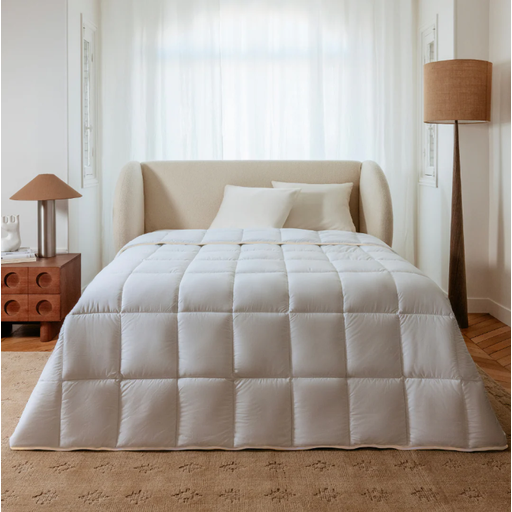
Why it's a match: Ideal for those who feel the cold or for poorly heated rooms in winter. This model focuses on traditional comfort and the thermal performance of a natural filling for wonderfully warm nights.
It doesn't rely solely on a high fill weight. Its warmth comes from the quality of its filling (90% feathers, 10% down), which provides natural insulation and excellent temperature regulation.
Breathable natural filling for comfortable warmth without overheating. Its cotton cover and certifications (OEKO-TEX, Sanitized) ensure a healthy sleep environment.
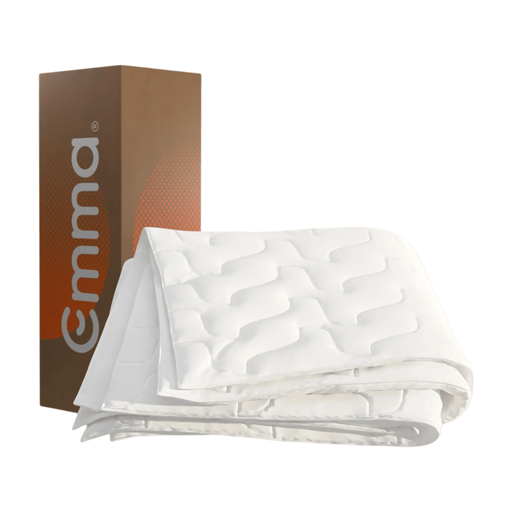
Why it's a match: Perfect for those looking for a single, adaptable solution for the whole year. This 3-in-1 model saves you from storing multiple duvets and allows you to adjust the warmth level as the seasons change.
It avoids the "fake all-season duvet" trap by offering true modularity: two separate duvets (a light one for summer, a temperate one for mid-season) that combine for winter.
3-in-1 flexibility for tailored comfort all year round. Ultra-easy to care for, it's fully machine washable.
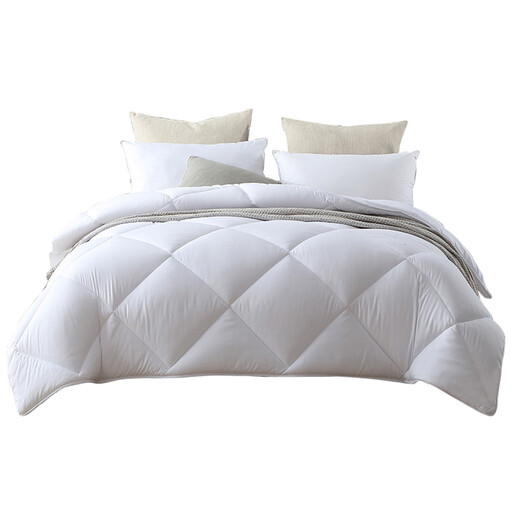
Why it's a match: An excellent compromise for a couple seeking a standard-size, low-maintenance duvet that's suitable for people with allergies. Its synthetic filling is both a practical and healthy choice.
No empty promises. As a washable synthetic duvet, it offers a concrete solution for limiting allergens, where a simple "hypoallergenic" claim is not enough.
Non-allergenic filling and easy machine-washable care. Its good breathability makes it a comfortable option for most of the year.
We have compiled a complete selection of products that meet these demanding selection criteria and current regulations.
Care depends on its filling. A synthetic duvet can usually be machine washed at 40?°C. Use a large-capacity washing machine (12 kg or more) to avoid compressing it. For a natural duvet, professional dry cleaning is often recommended. In any case, remember to air your duvet very regularly to release moisture and shake it to redistribute the filling.
Its effectiveness relies on a two-pronged approach. Firstly, the filling (often synthetic) is treated to inhibit the proliferation of dust mites. Secondly, and this is the crucial point, the duvet's cover must have an extremely tight weave to create a physical barrier. Trust in labels like Sanitized or OEKO-TEX. Finally, regular washing at the correct temperature remains an essential complementary measure.
Although often associated, these two materials are quite distinct. Down consists of light, airy clusters from the breast of a duck or goose. Lacking a quill, it offers exceptional insulating power for a feather-light weight. Feathers, on the other hand, are heavier, have a quill (the rachis), and provide spring and structure. A duvet with a high percentage of down will therefore be lighter, warmer, and have more loft.