
Livraison le jour même ou le lendemain

Qualité garantie

Débloquez vos offres de bienvenue: Livraison GRATUITE | Jusqu'à -80 % | 30 jours d'essai gratuits à JoyPlus
Téléchargez l'application
Choosing a new duvet? It seems simple enough. But the market is a jungle of technical jargon and confusing marketing promises. The result of a poor choice can be restless nights, allergy flare-ups, or simply an investment you regret after just a few months. To invest in long-lasting comfort, you need to know how to avoid the most common pitfalls. We'll walk you through everything.
Here are the most common mistakes and our advice on how to avoid them:
To make the right choice, three technical criteria are essential. These are what truly determine the comfort and lifespan of your duvet.
The filling is the heart of the duvet. It directly impacts its warmth, breathability, and weight.
The weight, expressed in grams per square metre (g/m?), is the most reliable indicator of warmth. Don't just rely on labels like "Summer" or "Winter"—look at the numbers!
To avoid fighting over the covers in the middle of the night, the rule is simple: your duvet should always be wider than your mattress.
Here is our selection, designed for different needs and based on the objective criteria we've just covered.
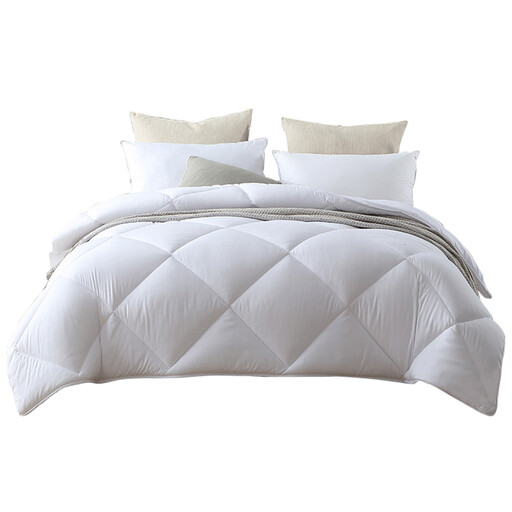
Why we chose it: Perfect for those who want simplicity and a healthy sleep environment. Its synthetic filling is designed for allergy sufferers, and its easy machine-washable care simplifies life.
As a synthetic model, it's clear about its purpose: it's a hypoallergenic option, which prevents unpleasant surprises for sensitive skin or those allergic to dust mites.
Machine washing guarantees perfect hygiene and ultra-simple maintenance, a major advantage for limiting the spread of allergens.
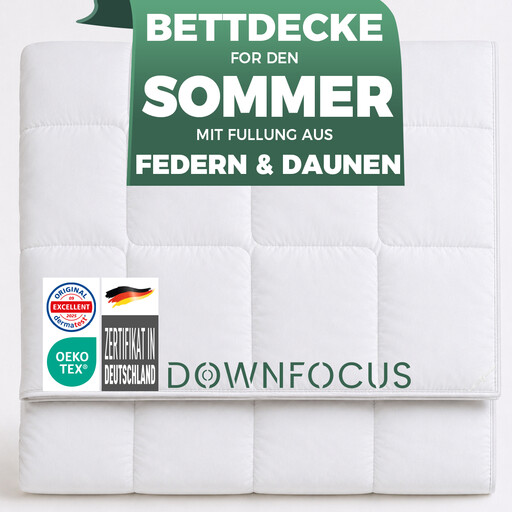
Why we chose it: For those who don't want to give up the comfort of natural materials, even in the middle of summer. Its low weight is specially designed for the summer season, offering an excellent balance of lightness and breathability.
It avoids the 'one-size-fits-all warm' duvet trap by clearly stating its specialty: it's a summer duvet with a lightweight 200 g/m? fill. Zero risk of overheating.
The Oeko-Tex (guaranteed free of harmful substances) and RDS (ensuring animal welfare) certifications are true marks of quality and responsible production. These are decisive criteria for an informed purchase.
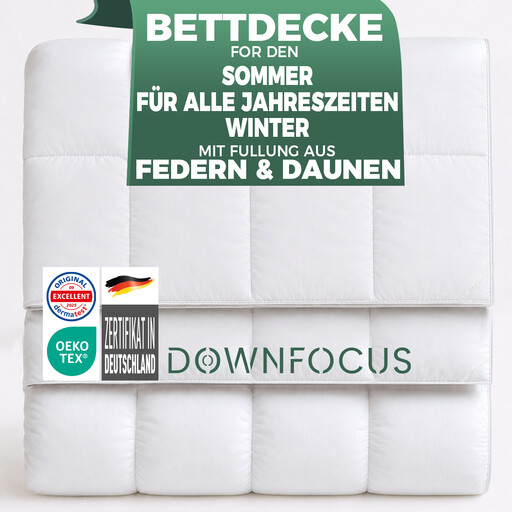
Why we chose it: The ideal solution for tailored comfort all year round, without having to store three different duvets. This clever model combines a light duvet for summer and a temperate one for mid-season, which can be joined together to face the winter.
It bypasses the myth of the mediocre "all-season duvet" thanks to its modularity: one 200 g/m? duvet for summer and a 450 g/m? one for mid-season. Once clipped together, they form a formidable winter duvet.
Its versatility, plain and simple. A single purchase provides three levels of warmth, making it a smart and economical long-term investment, ready for any temperature change.
We've curated a full range of products that meet our selection criteria and current safety standards.
For a Queen Size bed (160x200 cm), the gold standard is 240x260 cm. This provides a generous overhang of about 40 cm on each side, ensuring perfect coverage for two people and a flawless drape.
It's recommended to wash your duvet once or twice a year. For synthetic models, a machine wash at 40°C is perfectly sufficient. For a natural duvet, it's best to entrust it to a professional dry cleaner to preserve the down's loft. And don't forget the daily habit that makes all the difference: air out your duvet well every morning to release moisture from the night.
No, that's a common misconception. The warmth of a duvet, whether natural or synthetic, depends solely on its weight (GSM). There are very lightweight natural duvets (around 200 g/m?) that are perfect for summer, offering excellent breathability and preventing sweating.