
Livraison le jour même ou le lendemain

Qualité garantie

Débloquez vos offres de bienvenue: Livraison GRATUITE | Jusqu'à -80 % | 30 jours d'essai gratuits à JoyPlus
Téléchargez l'application
A cornerstone of any well-equipped kitchen, the Dutch oven is the trusted companion for comforting soups, flavourful stews, and large family meals. But navigating the vast array of available models can be overwhelming. Between marketing promises and the reality of daily use, how do you make the right choice? As a Product Expert at Joybuy, my mission is to guide you in finding the Dutch oven that will truly meet your expectations.
Before diving into the technical specs, let's review the most common disappointments. The goal: to avoid investing in a product that will end up gathering dust in a cupboard.
To avoid these setbacks, let's focus on three fundamental points that will make all the difference in the quality and longevity of your Dutch oven.
The choice of material is decisive. It determines heat distribution, durability, and ease of maintenance.
Your cooking style and your kitchen appliances are key factors here.
To put theory into practice, here are three models that meet specific needs, all while avoiding the pitfalls we've discussed.

Why we love it: For those juggling a busy schedule, this multi-cooker is a powerful ally. It replaces several appliances and slashes cooking times. Its large 7.6L capacity is perfect for family meals or weekend batch cooking.
It doesn't just promise versatility; it delivers it with 12 dedicated programmes. The inner pot features a durable, PTFE-free ceramic non-stick coating designed to last.
24-hour delay start for meals that are ready when you get home. A true 9-in-1 appliance: pressure cooker, slow cooker, rice cooker, yoghurt maker, and much more.
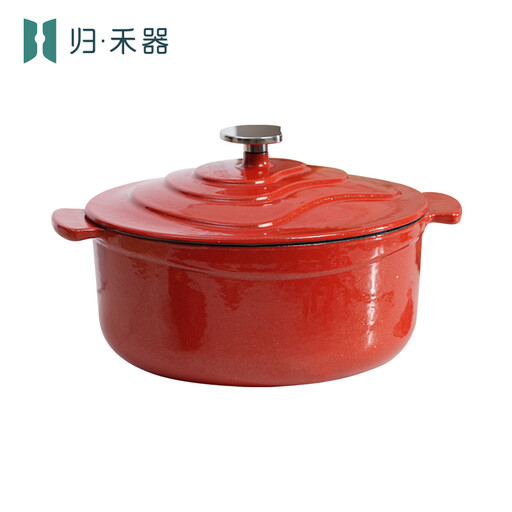
Why we love it: Ideal for purists who know that slow, gentle cooking brings out the best flavours. This Dutch oven is perfect for stews, braises, or even homemade bread. Its colourful design allows you to serve directly at the table.
Cast iron is a material that is naturally compatible with induction. Its vitrified enamel, fused to the iron, isn't just a simple coating: it's designed to last for decades.
Exceptional heat retention for dishes that simmer to perfection, even on very low heat. A virtually indestructible item that can be passed down through generations.
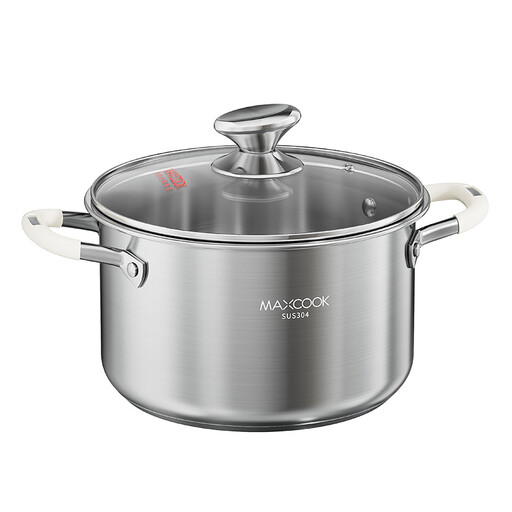
Why we love it: This is the Swiss Army knife of stockpots, the ultimate versatile utensil. Large enough for a family-sized soup yet easy to handle for daily use, it's a reliable and efficient product with no unnecessary frills.
There's no fragile coating here. It's all about the quality of the raw material: 304 stainless steel, with a base designed for flawless performance on induction.
Stay-cool silicone handles for safe handling. A glass lid lets you monitor cooking without having to lift it.
We have compiled a complete and up-to-date list of products that meet these strict selection criteria and safety regulations.
Although the terms are often used interchangeably, there is a key distinction. A cocotte almost always refers to a heavy pot, typically round or oval and made of cast iron (enamelled or not), with a tight-fitting lid. It excels at long, slow cooking. The term Dutch oven can be more generic, referring to a large, deep pot with a lid made from various materials (stainless steel, aluminium...) used for a wider range of tasks like boiling, poaching, and simmering.
Stainless steel is very durable, but a few simple steps can preserve its shine and longevity. Avoid overheating it while empty and do not use abrasive sponges that could scratch it. To remove limescale or iridescent stains, a splash of warm white vinegar will work wonders. Finally, a pro tip: only add salt once the water is boiling to prevent small corrosion spots from forming on the bottom.
A multi-cooker or electric pressure cooker offers undeniable convenience and speed thanks to its automated programmes. It's excellent for people in a hurry or those who want an all-in-one appliance. However, a traditional Dutch oven provides more direct, manual control over the cooking process, especially for searing meat or reducing a sauce with precision. Ultimately, it all depends on your priorities: convenience and speed on one side, control and tradition on the other.