
Livraison le jour même ou le lendemain

Qualité garantie

Débloquez vos offres de bienvenue: Livraison GRATUITE | Jusqu'à -80 % | 30 jours d'essai gratuits à JoyPlus
Téléchargez l'application
A great slow-cooked meal, whether it's a Sunday beef bourguignon or a fragrant curry, always starts with the right tool. Yet, faced with the vast array of available models, choosing the right Dutch oven or stockpot can quickly become a headache. Between marketing jargon and obscure technical sheets, it's easy to make the wrong purchase. As the Head of Product Recommendations at Joybuy, my mission is simple: to help you navigate the pitfalls and find the cookware that will perfectly suit your kitchen and your culinary ambitions.
To avoid regretting your purchase (and your money), here are the classic mistakes you should never make.
To make an informed choice, focus on a few key points that will determine the performance and durability of your cookware.
The material directly influences heat distribution, retention, and the type of dishes you can prepare.
This is THE non-negotiable criterion. Before you even consider the design, check that the product is compatible with your heat source. For induction hobs, look for the specific pictogram (a coil symbol) on the packaging or underneath the product. Cookware compatible with all hobs, including induction, guarantees maximum flexibility.
Rather than searching for a one-size-fits-all model, it's better to choose cookware adapted to your way of cooking.
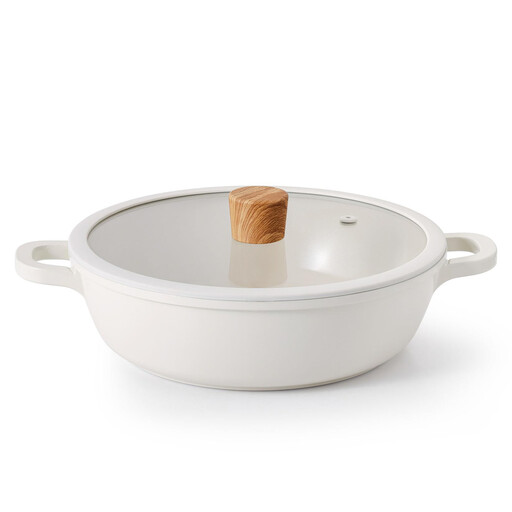
Why we chose it: Ideal for those looking for a single piece of cookware to do it all, from quick stir-fries to slow-cooked dishes. Its light weight and full compatibility make it perfect for everyday use.
Its cast aluminium design with a quality coating provides a durable non-stick solution, and its compatibility is clearly indicated for all hobs, including induction, preventing any nasty surprises.
Total versatility: Allows you to boil, fry, sauté, and simmer. Compatible with all hobs and dishwasher-safe for simplified maintenance.

Why we chose it: For those short on time but not on appetite. This appliance replaces several utensils and automates cooking, making it ideal for preparing stress-free meals for the whole family.
It sidesteps the trap of unsuitable capacity with its large 7.6 L volume. As a multi-cooker, its versatility is genuine and controlled by precise programs, avoiding the "false promises" of some stockpots.
Saves time and space: 12 preset programs and a delayed start function for meals ready when you get home from work. Replaces a pressure cooker, slow cooker, yogurt maker, etc.
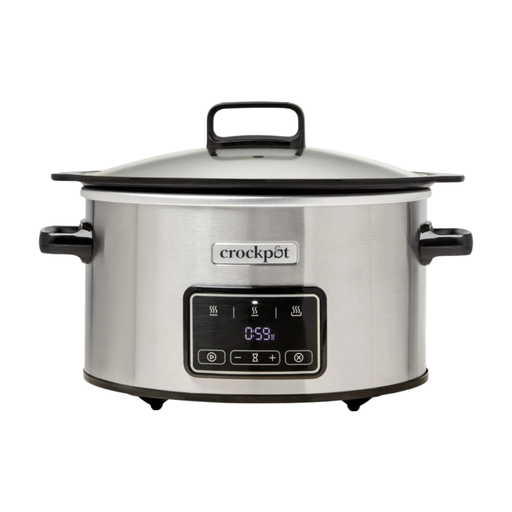
Why we chose it: For those who prioritise flavour above all else. Slow cooking at a low temperature is an unparalleled method for enhancing flavours and tenderising even the toughest cuts of meat.
It focuses on a single function, slow cooking, and executes it perfectly. By specialising, it avoids the trap of "do-it-all" appliances that do nothing well. Its ceramic pot is removable for easy serving and cleaning.
Gentle cooking and preserved flavours: The ceramic pot ensures even heat distribution, ideal for slow-cooked dishes. Its 3.5 L capacity is perfect for 3-4 people.
We have selected a range of products for you that meet our quality criteria and current safety standards.
The longevity of a non-stick coating depends on its quality and how you care for it. A high-quality coating, used with wooden or silicone utensils and cleaned by hand, can last for several years. To preserve it, avoid thermal shock (moving it from hot to cold abruptly) and abrasive sponges.
Absolutely not! That's the surest way to crack it. Ceramic hates thermal shock. Always let your ceramic oven-safe dish return to room temperature for at least 30 minutes before putting it in the oven.
Generally, no. A multi-cooker or an electric slow cooker is designed to be energy-efficient. As it is a closed and well-insulated system, heat loss is minimal. Cooking at a low temperature for several hours often consumes less energy than a traditional oven kept at a high temperature for an hour.