
Livraison le jour même ou le lendemain

Qualité garantie

Débloquez vos offres de bienvenue: Livraison GRATUITE | Jusqu'à -80 % | 30 jours d'essai gratuits à JoyPlus
Téléchargez l'application
Dust gets everywhere: on furniture, keyboards, air vents and even in the hardest-to-reach corners. But not all dust removers are created equal, and they don't all suit the same jobs. An anti-dust duster will do perfectly well on furniture, while an electric air blower is far more practical for cleaning a keyboard or the inside of a car.
Before you buy, it's best to avoid three common mistakes:
Here are the criteria to consider when finding the right solution for your home, your car or your computer equipment.
It all depends on the type of dust and how often you clean.
A washable microfibre duster is ideal for shelves, furniture, light fittings and small surfaces. Its soft fibres trap dust and pollen on the surface, while cutting down on waste from consumables. The Alpina model, which measures 12 × 30 cm, is designed for small areas and can be washed before being left to air dry.
A Swiffer duster features a disposable head with electrostatic fibres. It's particularly handy for blinds, furniture and narrow spaces. Depending on the reference, the refills are compatible with both short and XXL handles. Some product listings claim 99.9% effectiveness against dust; this is a manufacturer's claim, not a universal guarantee valid on all surfaces and in all situations.
An electric dust remover, on the other hand, works by blowing air. It dislodges particles trapped between keyboard keys, in computer grilles or in car seat rails. However, it doesn't always replace a vacuum cleaner: in an enclosed room, the dust that's been blown out will then need to be collected.
Cordless models sometimes boast a high rotational speed, expressed in rpm. This figure tells you about the motor, but it's not enough to judge real-world performance. Also check:
For a keyboard and computer dust remover, multiple speeds are a real bonus. A gentle setting avoids abruptly shifting keys or particles, while a more powerful mode can tackle heavily clogged crevices. In a car or garage, a more muscular device can be useful, as long as you direct the airflow towards an area that's easy to clean.
A USB-C rechargeable device is easy to charge at home or in the office. The stated battery life usually varies depending on the power level used. The Foursun TF100, for example, features a 10,000 mAh battery, four power levels and a different battery life depending on the setting chosen.
Weight also affects comfort. A compact device will be more pleasant to handle in front of a keyboard or shelf, whereas a heavy model can tire your arm when cleaning an entire vehicle. If you're looking for a cordless vacuum and blower, make sure the device actually sucks up debris: some models only blow.
A fine nozzle reaches slots and gaps, while a soft brush is better suited to delicate surfaces. For a car cleaning brush, check the bristle material and make sure no metal parts can scratch a glossy finish.
With electronic devices, always switch off the power before cleaning and avoid moisture. For manual dusters, follow the manufacturer's recommendations: some refills are intended for dry dusting only. Never use a blower near a flame, a hot surface or a liquid.
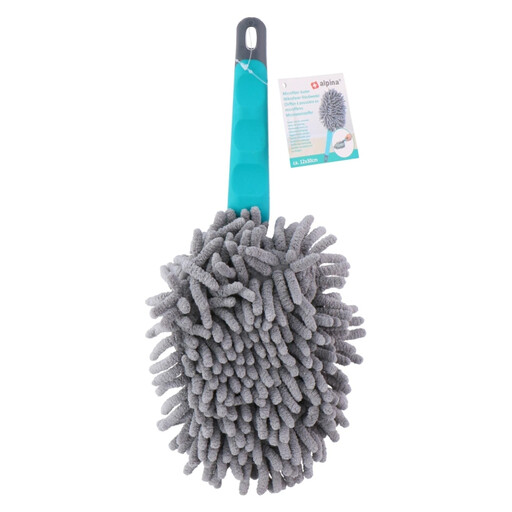
Why this choice suits this profile: This lightweight format is ideal for everyday dusting of furniture, shelves, small surfaces and appliances, with no disposable refills to buy regularly.
Its washable design reduces reliance on consumables. It doesn't claim to clean everything, but it's perfectly suited to everyday small tasks.
Soft microfibre fibres, plastic handle, 12 × 30 cm format and hot water cleaning as per the product sheet.
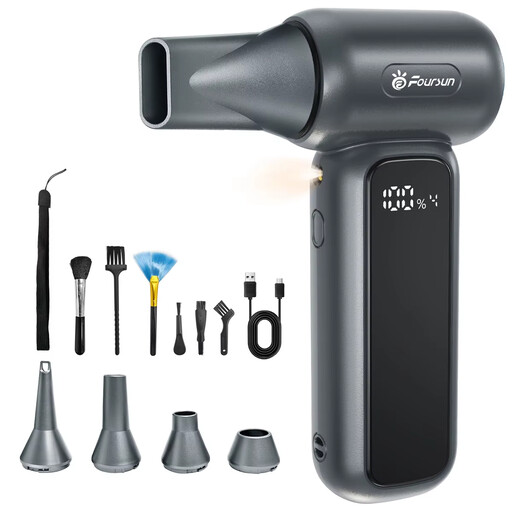
Why this choice suits this profile: Its many nozzles and different settings will appeal to households that switch between computers, cars, housework and outdoor activities.
The four levels let you adjust the airflow to your needs, rather than running at full power all the time and risking a blast that's too aggressive.
Stated 10,000 mAh battery, USB-C charging, four speeds, various nozzles and brushing accessories included.
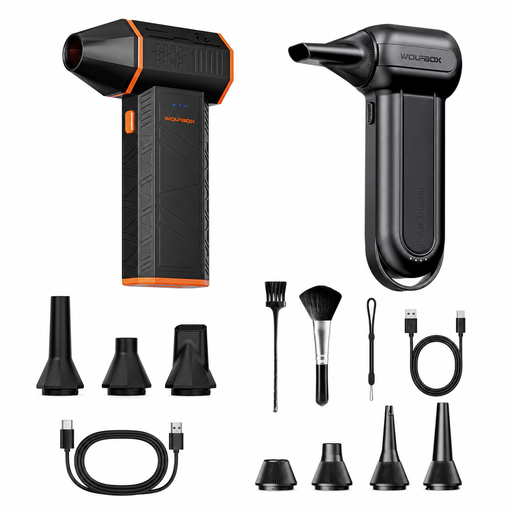
Why this choice suits this profile: This duo covers a wide range of tasks, from keyboards and sensitive equipment to the boot, seats and nooks of a vehicle.
Two devices let you reserve a measured blast for small items and the more powerful model for heavily clogged areas, rather than tackling everything with a single setting.
MF50 stated up to 110,000 rpm and DF100 up to 150,000 rpm, with three speeds and several nozzles according to the product sheet.
We've put together a comprehensive, real-time updated selection of products that meet these demanding criteria and European safety standards.
After each use, collect the displaced dust with a vacuum cleaner or a suitable wipe. Clean the removable nozzles according to the instructions, then let them dry completely. For a rechargeable device, avoid storing it in a damp place and use a cable that matches the recommended specifications.
Replace disposable refills as soon as they are saturated. A washable microfibre duster should be cleaned without harsh products to preserve its fibres. For pet hair, combine a head that captures it with a vacuum cleaner capable of effectively collecting it.
Yes, as long as you use a fine nozzle and set the power to a moderate level. Turn off and unplug the computer before you start. Work in a ventilated space, because a blower moves dust without sucking it up.
It depends entirely on the surface cleaned, the amount of dust and whether pet hair is present. Replace the head when it's saturated to avoid redistributing particles. To estimate the cost of use, compare the number of refills in the pack with how often you clean.
Yes. A car cleaning brush is suitable for the dashboard, air vents and gaps. An electric air blower can dislodge particles trapped in rails and crevices, but use it with the doors open if possible, then collect the dust with a vacuum cleaner.