What to compare
First decide whether you can leave laundry to dry in a room, then compare the capacity and installation requirements of mechanical options to suit how often you do your laundry.
Washing machine with a good spin cycle and an airer
Worth considering: if you have somewhere to hang your laundry and a way to remove moisture.
Bear in mind: spinning does not replace hanging space or the need to manage indoor moisture (ADEME).
Separate tumble dryer
Worth considering: if you do laundry frequently and can install a second appliance in accordance with its instructions.
Bear in mind: it takes up space and needs maintenance; ADEME highlights the high energy consumption of tumble dryers.
Washer-dryer
Worth considering: if you only have space for one appliance and its drying capacity suits your loads.
Bear in mind: drying capacity may be lower than washing capacity, so you may need to remove some laundry or split a load (UFC-Que Choisir).
Indoor airer
Worth considering: if you can leave the airer up for as long as needed in a suitable room.
Bear in mind: it temporarily takes up space in the room, and air-drying adds moisture indoors (ADEME).
| What matters |
What to check |
Who it matters to |
| Space and number of appliances |
Appliance dimensions and clearance; space taken up by the airer when open and where it can be stored. |
I want to keep the room usable and avoid an extra appliance; around 31% of consumers put the space an appliance takes up at the top of their list. |
| Laundry volume and consecutive cycles |
Washing and drying capacities in kg; the duration of a complete cycle that suits your needs. |
When laundry piles up, I check whether a load can be dried without splitting it; around 25% of consumers prioritise getting through their laundry quickly. |
| Moisture and installation |
Room ventilation; the instructions, power supply and condensate management or any required venting for the model you choose. |
If I dry laundry indoors, I want to be able to manage moisture; if I choose a tumble dryer, I also check the installation requirements. Around 25% of consumers prioritise managing indoor moisture. |
| Energy and usage |
Compare water and electricity figures for similar cycles and loads on the product information for the exact model. |
I want to limit resource use without comparing different cycles; around 19% of consumers put energy consumption at the top of their list. |
Joybuy products for drying laundry
The products featured here are washer-dryers and a separate tumble dryer, so you can compare mechanical options when outdoor space is limited.
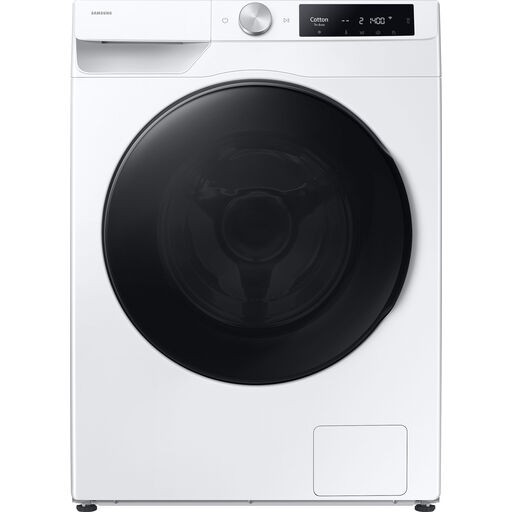 Image unavailable
Samsung WD11DG6B85BEU3
Worth considering if you want to combine washing and drying in one appliance; make sure the load you plan to dry is within the stated drying capacity.
Washing: 11 kg; drying: 6 kg; class A.
View on Joybuy
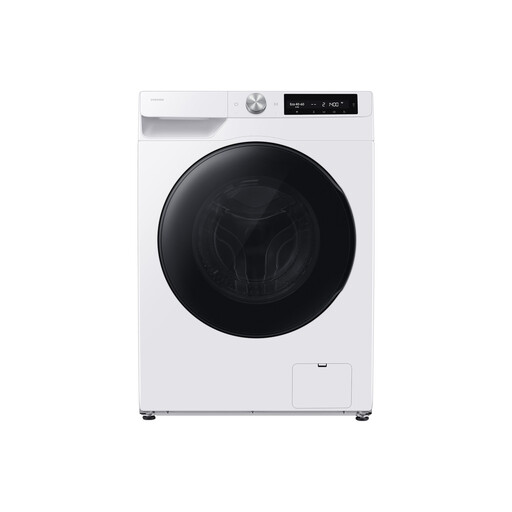 Image unavailable
Samsung WD10HG6U34BEU3
This washer-dryer may suit you if you’re looking to combine both functions; compare its drying capacity with the size of your usual loads.
Washing: 10 kg; drying: 6 kg; class D.
View on Joybuy
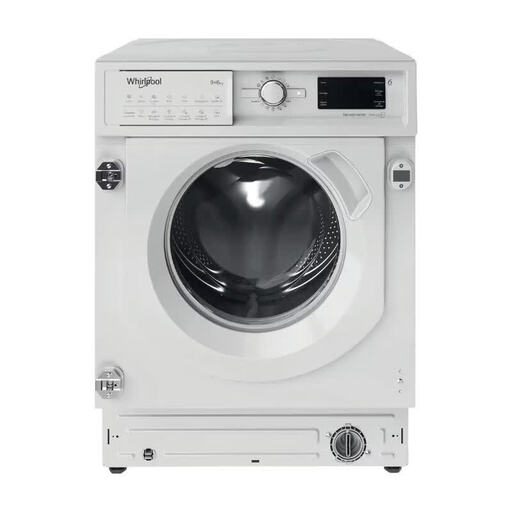 Image unavailable
Whirlpool BI WDWG FreshCare+
Worth considering if you have a space designed for an integrated appliance and a 6 kg drying capacity suits your loads.
Washing: 9 kg; drying: 6 kg; spin speed: 1 400 tr/min.
View on Joybuy
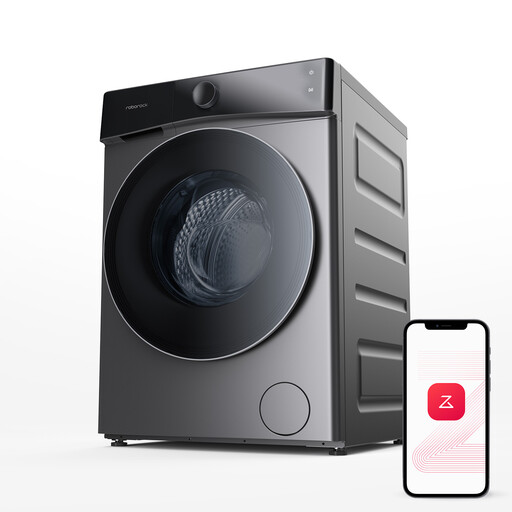 Image unavailable
Roborock Zeo Lite Gray
Compare this combined model if you want to use one appliance for washing and drying; check its drying capacity against the size of your loads.
Washing: 10 kg; drying: 6 kg; 27 wash programmes; app control; automatic dosing.
View on Joybuy
 Image unavailable
Hotpoint CHD84MWBSEE
A separate tumble dryer to consider if you have a suitable space and would rather not dry every load on an indoor airer.
Heat pump; drying capacity: 8 kg; class C.
View on Joybuy
Frequently asked questions
Does a tumble dryer need an air vent to the outside?
Not always: a vented model needs one, but a condenser or heat pump model does not (UFC-Que Choisir). Even so, check the instructions for requirements covering the location, power supply, airflow and condensate management.
Can you plug a tumble dryer into an extension lead or multi-socket adaptor?
Don’t assume this is suitable: Electrolux advises against using an extension lead or multi-socket adaptor with its tumble dryers because of the electrical risk. Check the instructions for your model, and get advice about a badly positioned socket rather than improvising a connection.
How do you maintain a condenser tumble dryer?
Follow the instructions for your model to maintain the filters, condenser and water tank, if it has one. The Electrolux EDHF5841EC product information mentions filter and condenser cleaning indicators, as well as a full-tank indicator; these features are not found on every model.
What labels and warranty should you check in France?
For goods sold by a business to an individual, the legal guarantee of conformity applies to new, second-hand and refurbished goods, according to the French Ministry of the Economy. Since 1 July 2025, tumble dryer energy labels have used the A to G scale; the durability index that has applied to washing machines since April 2025 does not indicate their drying capacity.
How do you compare the energy use of a washer-dryer and a tumble dryer?
Compare electricity and water figures for similar functions and loads, rather than comparing a wash-only cycle with a wash-and-dry cycle. LG’s product information for the F854M21WR lists separate figures for washing only and for a cycle with drying; these are not a prediction of energy use in your home.


