You dry laundry in a living space
You want to prepare laundry for drying on an airer without overlooking humidity and air circulation. ADEME and QUALITEL highlight the importance of ventilation when drying laundry indoors.


Start by checking ventilation, available space and how much laundry you want to dry, rather than choosing based solely on drum size or spin speed. If you use a clothes airer, ADEME recommends choosing a spin-drying efficiency class A washing machine and using a well-ventilated room. If you dry laundry in an appliance, compare drying capacity, programme times, energy consumption and installation requirements.
You want to prepare laundry for drying on an airer without overlooking humidity and air circulation. ADEME and QUALITEL highlight the importance of ventilation when drying laundry indoors.
You need to plan your washing around the amount of laundry you can actually dry and programme times, not just the stated washing capacity.
You need to compare the footprint of a washer-dryer with that of a clothes airer or a stacked setup. If you want to stack appliances, Bosch recommends checking that the models and stacking kit are compatible.
Choose this if: you have a well-ventilated area for drying and want to avoid electric drying.
Bear in mind: the spin cycle prepares laundry for drying, but does not dry it; moisture needs to be removed from the room.
Choose this if: you regularly dry laundry in an appliance and have a suitable space.
Bear in mind: installation, maintenance and water drainage requirements vary by model.
Choose this if: you only have room for one appliance and want to wash and dry laundry in the same machine.
Bear in mind: drying capacity may be lower than washing capacity, and complete programmes are generally longer.
Choose this if: you can set aside a well-ventilated area for drying, either on its own or alongside other options.
Bear in mind: it takes up space and releases moisture from the laundry into your home.
| Consideration | What to check | Who prioritises it most |
|---|---|---|
| Humidity in your home | Identify where you’ll dry your laundry, along with the air inlets and extraction points. For a condenser appliance, check how it handles the collected water. | If I dry laundry in a living space, I want to limit humidity and maintain effective air circulation. Around 28% of consumers prioritise managing humidity above all else. |
| Capacity and turnaround | Compare drying capacity, which differs from washing capacity on a washer-dryer, and the length of the complete programme. | When I have several loads in a row, I want to know how much can be dried in one programme without repeatedly splitting loads. Around 28% of consumers prioritise turnaround and load capacity. |
| Available space | Measure the width, height and depth, and check access. For a stacked setup, check that the appliances and kit are compatible; for a clothes airer, measure its footprint when fully opened too. | If I have limited space at home, I need to make sure the equipment can be installed or unfolded without blocking walkways. Around 22% of consumers prioritise footprint above all else. |
| Water, energy and maintenance | Compare consumption for the same type of cycle, as well as the capacity and maintenance tasks specified in the manual. | If I want to manage the resources I use, I compare the cycle that matches my needs and check which filters or parts need maintenance. Around 22% of consumers put consumption and maintenance first. |
On a washer-dryer, drying capacity may be lower than washing capacity. You’ll need to reduce or split an oversized load.
Check both capacities separately and start with the amount you want to dry in one programme.
Splitting loads can mean the appliance is in use for longer.
Air-drying releases moisture from laundry into the room; poor ventilation can encourage condensation and mould.
Choose where you’ll dry your laundry at the same time as choosing your equipment, and keep air circulating. ADEME advises against switching off mechanical ventilation (VMC) or blocking air inlets and extraction vents.
Depth, access and appliance compatibility can all affect installation, even if the width seems suitable.
Check all the measurements and make sure the exact appliance combination is compatible before choosing a kit.
A stacked setup may need a suitable kit and, depending on the installation, a professional to fit it.
Figures for washing only, a wash-and-dry cycle and drying only do not represent the same service.
Compare consumption on a like-for-like cycle and check the figures that match how you plan to use the appliance.
Bosch front-loading washing machines and stacking solutions are worth considering if you’re planning a stacked washer and dryer setup.
The WD90DG6B85BKU3 is an example of a washer-dryer that combines washing and drying in one appliance.
The range includes washing machines and heat pump tumble dryers; the PerfectCare 900 EW9HI783FC is one model with published specifications.
The brand’s folding clothes airers may suit you if non-electric drying is part of your laundry routine.
This selection includes washing machines to prepare laundry for air-drying, and tumble dryers for drying it in an appliance.
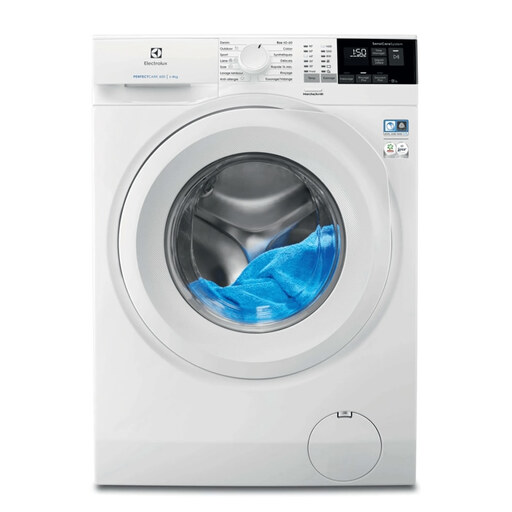 Image unavailable
Get laundry ready to dry on an airer with a front-loading washing machine.
Stated capacity: 9 kg; spin speed: 1400 tr/min.
The spin cycle prepares laundry for drying but doesn’t dry it, so make sure you have a clothes airer and a well-ventilated room.
 Image unavailable
Dry laundry in a dedicated appliance instead of relying solely on indoor air-drying.
Stated capacity: 8 kg; the product title mentions propane refrigerant and OptiSense.
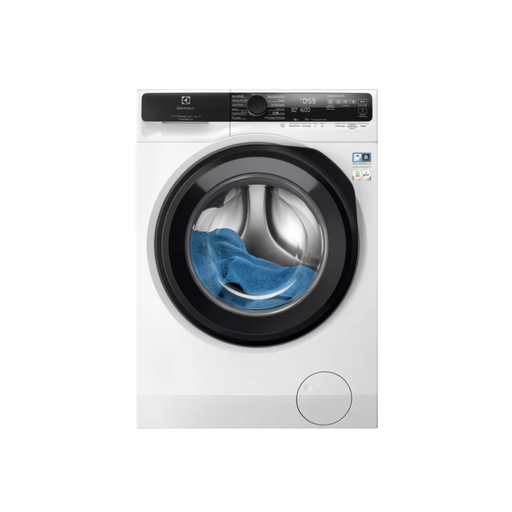 Image unavailable
Wash your laundry before drying it on an airer in a well-ventilated room.
Stated capacity: 9 kg; spin speed: 1600 tr/min; connected model.
The spin cycle doesn’t replace drying, so make sure you have an area for drying laundry and good air circulation.
 Image unavailable
Dry a load in a dedicated heat pump tumble dryer.
Stated capacity: 8 kg; the product title indicates class C.
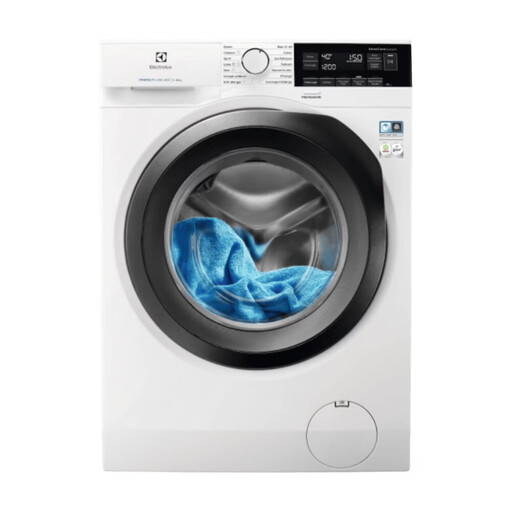 Image unavailable
Wash laundry ready for air-drying or drying separately in an appliance.
Stated capacity: 8 kg; spin speed: 1400 tr/min.
The spin cycle prepares laundry for drying, but doesn’t dry it; make sure you have enough space and a well-ventilated room.
No. You should also look at the spin-drying efficiency class and choose a capacity that suits your loads. ADEME recommends choosing a spin-drying efficiency class A washing machine to make indoor drying easier; this doesn’t mean there’s one required spin speed for all fabrics.
ADEME advises against switching off mechanical ventilation (VMC) or blocking air inlets and extraction vents. It suggests holding a piece of toilet paper in front of an extraction vent: if it is drawn towards the vent, this is a basic check, not a measurement of the ventilation airflow.
Yes. A condenser model collects water in a tank or drains it away, without needing an external air vent. However, follow the installation requirements and ambient temperature range specified for your model.
No. Stacking depends on the compatibility of both appliances and the stacking kit. Bosch’s guide recommends checking the exact combination and getting a qualified professional to install it.
Follow your model’s manual to clean the filters and check the condenser. For applicable appliances, Electrolux support recommends cleaning the filter after every cycle and checking the condenser at least once a month; access and instructions vary by model.