Households with lots of laundry to dry
If you’re doing load after load, start by choosing a capacity that matches how much laundry you want to dry at once. Also check how the appliance collects or drains water.


For frequent loads and a dedicated space, consider a heat pump tumble dryer. If floor space is limited, a washer-dryer may be an option, but check its drying capacity separately from its washing capacity. A dehumidifier can help manage moisture when you use a clothes airer, but it doesn’t replace the ventilation or extraction recommended by ADEME for drying laundry indoors.
If you’re doing load after load, start by choosing a capacity that matches how much laundry you want to dry at once. Also check how the appliance collects or drains water.
If you can’t leave a clothes airer up, compare the space needed for a washer-dryer, two compatible appliances stacked with a stacking kit, or an airer used occasionally alongside a dehumidifier.
If you dry laundry on an airer in a small, poorly ventilated room, first look at the available ventilation or extraction. For air-drying laundry, ADEME recommends a large, well-ventilated room or one fitted with a mechanical ventilation extraction vent.
Your choice depends first on the space available, how much laundry you have and how well the room can remove moisture.
Consider this: for regular loads when you can install a separate appliance.
Bear in mind: you’ll need dedicated space and must maintain the filter as instructed. Also check how water is collected or drained.
Consider this: if two appliances would take up too much floor space.
Bear in mind: the drying capacity may be lower than the washing capacity. For example, Electrolux lists a 10 kg washing capacity and a 6 kg drying capacity for its EW9W1165RB model.
Consider this: if you’re keeping your airer and would also like to manage moisture in the room.
Bear in mind: you’ll need an extra appliance and will have to empty its tank or set up suitable drainage. It doesn’t replace proper ventilation.
Consider this: for a moderate amount of laundry, in a large, well-ventilated room or one with mechanical ventilation extraction, in line with ADEME’s recommendations.
Bear in mind: the airer takes up space while your laundry dries and adds moisture to the indoor air.
| Criteria | What to check | Who it matters to |
|---|---|---|
| Humidity and ventilation | If you use a clothes airer, check the room’s ventilation or extraction. For a dehumidifier, look at its stated capacity and how its tank is managed. | When drying laundry on an airer leaves a room damp, I want to be able to dry it without relying on the airer alone. Around 33% of consumers would make humidity management their priority. |
| Amount of laundry | Compare the drying capacity in kg with your usual loads. For a washer-dryer, check this separately from the washing capacity. | If I do laundry often, I want to avoid leaving a load waiting to be dried. Capacity could be the top priority for around 27% of consumers. |
| Available space | Measure the space and required clearances. For a stacked setup, confirm that both appliances and the kit are compatible. | In a compact home, I’m looking for a solution that lets me use the room as usual. Around 20% of consumers would prioritise the space an appliance takes up. |
| Use and maintenance | Check the details of the cycle you’re interested in and the instructions for accessing the filter, condenser and tank. | If I dry laundry often, I want to fit the cycles and maintenance into my routine. These considerations would be a priority for around 20% of consumers. |
With a washer-dryer, the drying capacity may be lower than the washing capacity. The Electrolux EW9W1165RB, for example, has a 10 kg washing capacity and a 6 kg drying capacity.
Compare both figures in the product specifications and base your choice on how much laundry you want to dry at once.
You may need to split a full wash into several drying loads.
According to UFC-Que Choisir, this type of appliance needs an opening to the outside or access to a ventilation duct, unlike condenser models.
Make sure you can vent it before buying. If you can’t, look at a solution that doesn’t need an outside vent.
A stacking kit won’t necessarily fit every washing machine and tumble dryer. Bosch advises checking that the models can be stacked.
Check the model numbers of both appliances, the kit you’ll need and the installation instructions before choosing this setup.
ADEME notes that air-drying laundry adds a lot of moisture indoors. A dehumidifier removes moisture from the room’s air, but it won’t identify the cause of persistent marks on the walls.
Choose a well-ventilated room or one with suitable extraction for drying laundry. If the damp persists, have the cause investigated.
The brand offers heat pump tumble dryers and washer-dryers, among other appliances.
A brand to look at if you’re thinking of placing a tumble dryer on top of a washing machine.
The brand offers dehumidifiers to consider if you dry laundry on an airer.
The Tasciugo range includes dehumidifiers to consider for a room where laundry is dried on an airer.
These appliances suit three different needs: combining washing and drying in one machine, choosing a dedicated drying appliance, or using a dehumidifier alongside a clothes airer. First decide which option suits your room, then compare models in that category.
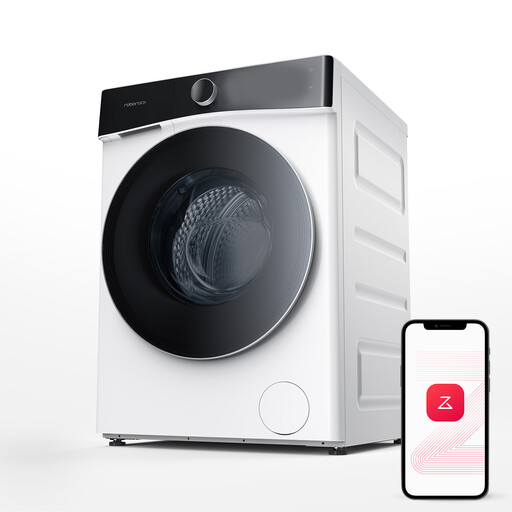 Image unavailable
Consider this if you want to combine washing and drying in one appliance. The stated capacities are 10 kg for washing and 6 kg for drying, so you may need to split a full wash load before drying.
Check the dimensions and required connections for the space you have in mind.
 Image unavailable
Worth considering if you don’t have room for two appliances and wash large loads. This model has a stated washing capacity of 11 kg but a drying capacity of 6 kg, so adjust the load for the combined cycle accordingly.
Also check that the cycle time given for this model’s wash-and-dry cycle works for your routine.
 Image unavailable
Another combined option when floor space is limited. The stated capacities are 10 kg for washing and 6 kg for drying, so a full wash load may need to be split into several drying loads.
Compare the dimensions and connections with your available space, and check the details of the cycle you plan to use.
 Image unavailable
Consider this if you have room for a separate drying appliance. Its stated capacity is 8 kg.
Before choosing this model, check its dimensions, the required installation clearances and how water is managed in your chosen location.
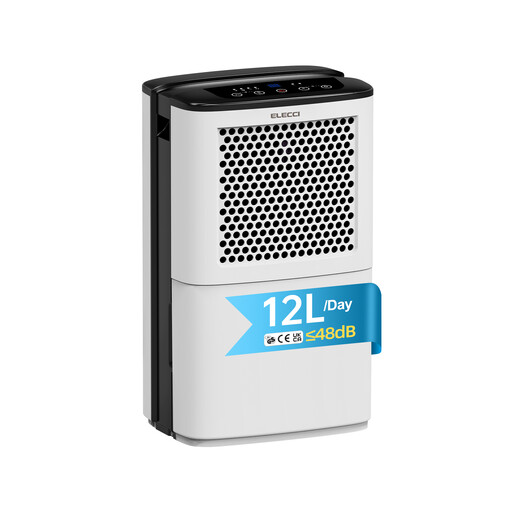 Image unavailable
Worth considering if you’re keeping a clothes airer and want to manage moisture in the room. Its stated capacity is 12 L/day and it has a 3.8 L tank. How well it works in your room will depend on the conditions.
If you’re planning to use continuous drainage, check that the hose can reach a suitable drain. The appliance doesn’t replace the ventilation or extraction needed for drying laundry.
No. A vented tumble dryer needs to expel moist air outside. UFC-Que Choisir says it needs an opening or access to a suitable duct. If that isn’t possible, consider a condenser model instead.
Not always. Check the two capacities separately for your chosen model. For example, Electrolux lists a 10 kg washing capacity and a 6 kg drying capacity for the EW9W1165RB. At its rated capacity, a wash load weighing more than 6 kg can’t be dried all at once.
Follow the instructions for your model when maintaining the filter and condenser and managing water. For example, Electrolux recommends cleaning the filter at the end of every cycle on the relevant appliances. The exact procedure depends on the appliance.
No. A dehumidifier can remove moisture from the air, but it doesn’t replace proper ventilation. For drying laundry indoors, ADEME recommends a large, well-ventilated room or one fitted with a mechanical ventilation extraction vent. If damp marks persist, have the cause investigated.