Households short on space
If you can only make room for one appliance, compare a washer-dryer with your usual loads and check its depth too. Saving space doesn’t mean you can overlook how much laundry it can dry in one go.


If you mostly dry your laundry on an airer, start by choosing a washing machine that suits your loads and checking its spin-drying efficiency class. ADEME highlights the benefits of a Class A rating for drying laundry quickly indoors. If you only have room for one appliance, a washer-dryer lets you wash and dry in one go, but its drying capacity is lower than its washing capacity, as UFC-Que Choisir points out. If you regularly need to dry full loads, compare separate heat-pump tumble dryers instead, provided you have room for a second appliance. Check their capacity, programme duration and energy consumption.
If you can only make room for one appliance, compare a washer-dryer with your usual loads and check its depth too. Saving space doesn’t mean you can overlook how much laundry it can dry in one go.
When you have sheets, towels or other loads to get through, drying capacity matters just as much as washing capacity. A separate tumble dryer is worth considering if you have room to install one.
If you hang your laundry up to dry after every wash, first check the washing machine’s usable capacity and spin-drying efficiency class. ADEME says a Class A spin-drying rating is useful when you need laundry to dry quickly indoors.
Consider this if: you mostly air-dry your laundry and want to reduce how much water it retains after washing. Check the spin-drying efficiency class.
Bear in mind: spinning doesn’t replace drying on an airer. Make sure the washing machine’s capacity suits your loads too, as ADEME recommends.
Consider this if: you don’t have room for a second appliance and want to wash and dry in the same drum.
Bear in mind: UFC-Que Choisir points out that drying capacity is lower than washing capacity. You may need to reduce a washed load or split it before drying.
Consider this if: you often dry large loads and have room for a second appliance.
Bear in mind: it takes up space and you’ll need to transfer the laundry. According to UFC-Que Choisir, heat-pump tumble dryers use less electricity than conventional condenser or vented models, but compare the duration of the programmes you’re interested in.
| Criteria | What to check | Who it suits |
|---|---|---|
| Available space | Measure the space, the appliance’s depth and the clearance needed to open its door. For a washer-dryer, check its drying capacity too. | I can’t fit two appliances and need to fit washing and drying into one space. Around 33% of consumers in this situation would make this their top priority. |
| Drying capacity | Compare the washing and drying capacities in kg with the amount you want to dry in each cycle. | I have back-to-back loads and want to avoid splitting a washed load across several drying cycles. Around 27% of consumers in this situation would put capacity first. |
| Electricity and water | For a washer-dryer, check the consumption figures for the complete wash-and-dry cycle, which are different from those for washing alone. For a tumble dryer, compare similar programmes and capacities. | I expect to use a tumble dryer often and want to check the resources used in each cycle, including water for a washer-dryer. Around 27% of consumers in this situation would prioritise consumption. |
| Running consecutive cycles | Check that your usual load is within the washer-dryer’s drying capacity and look at the duration of the complete cycle. | I want to start a wash and then dry the laundry without coming back to transfer it, even if that means limiting the load. Around 13% of consumers in this situation would make this continuity their top priority. |
UFC-Que Choisir says a washer-dryer can dry less laundry than it can wash. So, if you wash a full load, you may need to remove some laundry before starting the drying cycle.
Note the washing and drying capacities separately in kg, and choose according to how much you want to wash and dry without interruption.
According to UFC-Que Choisir, a vented tumble dryer needs an opening to the outside or access to a ventilation duct. A condenser model, including a heat-pump dryer, doesn’t need this connection.
Check the type of tumble dryer and the installation requirements in its manual before measuring the available space.
Washing-only figures don’t tell you how long a complete washer-dryer cycle takes or what resources it uses.
If you plan to use the automatic drying function regularly, compare the figures for the complete cycle and the corresponding load, rather than looking at the washing figures alone.
Bosch’s French range includes separate heat-pump tumble dryers worth considering if you have room for a second appliance.
In France, LG offers models such as the F964R33WRS washer-dryer, listed with a 9 kg washing capacity and a 6 kg drying capacity.
Miele’s separate tumble dryers are worth considering when drying capacity matters as much as washing capacity.
Electrolux offers models such as the separate EDHF5841EC heat-pump tumble dryer, listed with an 8 kg capacity.
These models let you explore three ways to handle laundry dried indoors: keep air-drying it after washing, wash and dry it in a washer-dryer, or use a separate tumble dryer. Start by comparing the space available with the amount of laundry you want to dry.
 Image unavailable
Worth considering if you want to wash and dry in one appliance without exceeding its drying capacity.
Listed capacities: 11 kg for washing and 6 kg for drying. If you wash more laundry than you can dry, plan to remove some of the load.
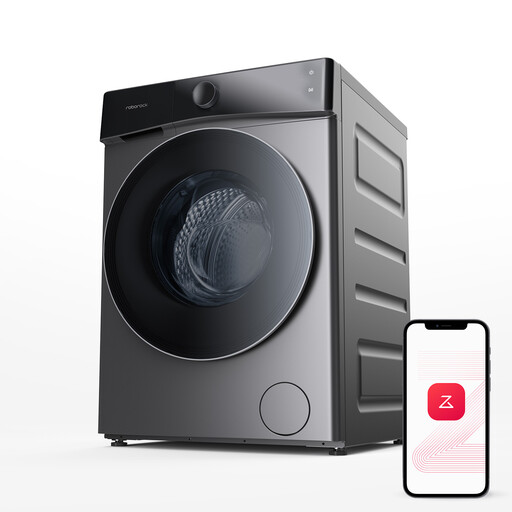 Image unavailable
Worth considering if you want to wash and dry in the same appliance and your drying loads are within the listed capacity.
Listed capacities: 10 kg for washing and 6 kg for drying. The product features Zeo-Cycle drying, 27 wash programmes, the LintClear system and automatic dosing.
Check its dimensions before choosing where to put it, and compare the duration and consumption of a complete cycle too.
 Image unavailable
Worth comparing if you have space for a separate tumble dryer and want to dry regular loads.
Listed capacity: 8 kg; stated energy rating: C. Check the dimensions, installation requirements and consumption shown on the model’s energy label.
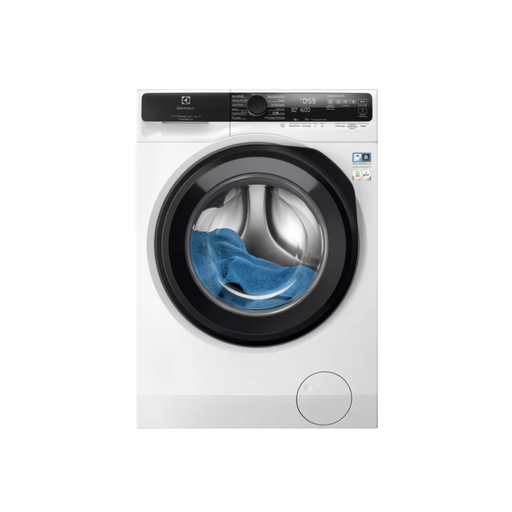 Image unavailable
Worth considering if you continue to dry laundry on an airer and want a washing machine with an adjustable spin speed up to the listed maximum.
Listed capacity: 9 kg; listed maximum spin speed: 1,600 rpm. Check the spin-drying efficiency class on the label: spin speed alone doesn’t determine it. You’ll still need to dry the laundry separately.
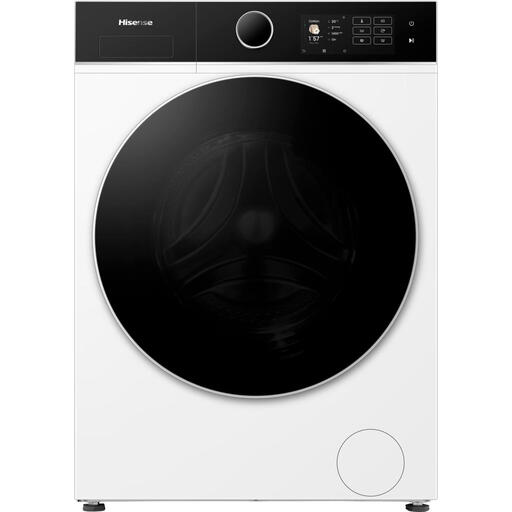 Image unavailable
Worth comparing if you dry your laundry on an airer and an 8 kg washing capacity suits your loads.
Listed maximum spin speed: 1,400 rpm. Check the spin-drying efficiency class and full dimensions before choosing this washing machine; it doesn’t dry laundry automatically.
Not if the load exceeds its drying capacity, which is generally lower than its washing capacity, according to UFC-Que Choisir. To run both functions without removing any laundry, stick to the stated drying capacity.
It depends on the type. According to UFC-Que Choisir, a vented model needs an opening to the outside or a suitable ventilation duct, unlike a condenser model, including a heat-pump dryer. Also check the manual for installation requirements and the space needed.
Compare the washing and drying capacities separately, then look at the figures for washing alone and for a complete wash-and-dry cycle. If you use the drying function often, check the complete cycle’s duration and water and energy consumption for that use.
No. Start by choosing a capacity that suits your loads and checking the spin-drying efficiency class, which ADEME says is particularly useful for drying laundry indoors. You can then compare the displayed durability index to help choose between washing machines that meet your needs.