Households that dry laundry indoors
If you prefer to air-dry your laundry, compare spin performance, noise levels and programme times before considering another appliance. ADEME points out that air-drying laundry contributes to indoor humidity.


If you have space to hang your laundry, start by comparing the washing machine’s spin performance, noise levels and programme times. You may not need to add a drying appliance at all. A washer-dryer is a good option when there’s no room for two appliances, but its drying capacity may be lower than its washing capacity. If you do laundry often or wash large loads, you could also compare separate tumble dryers, as long as you have room to install one and are happy to make space for it.
If you prefer to air-dry your laundry, compare spin performance, noise levels and programme times before considering another appliance. ADEME points out that air-drying laundry contributes to indoor humidity.
A washer-dryer combines two functions in one appliance. However, check its drying capacity: the washing and drying capacities listed by Bosch France and LG France vary by model.
If you can install two appliances, a separate tumble dryer means you can wash one load while another dries. Compare its capacity with your usual loads, then check the programme time, noise levels and energy consumption for the model you’re considering.
If you dry laundry indoors, first decide whether you’d prefer to air-dry it or use an appliance. The space you have available and the amount of laundry you need to dry will help you choose the right set-up.
Consider this if: you have space to hang your laundry and don’t want to add a drying appliance.
Bear in mind: your laundry will be drying indoors. ADEME notes that air-drying contributes to indoor humidity.
Consider this if: you only have room for one appliance and your loads fit within its specified drying capacity.
Bear in mind: if the washing and drying capacities differ, you may need to split a washed load before drying it.
Consider this if: you do laundry often and have room to install a second appliance.
Bear in mind: you’ll need extra space, and the appliance will use electricity for drying and require maintenance.
| Consideration | What to check before you buy | Consumers concerned |
|---|---|---|
| Spin before air-drying | The spin speed of the programme you use and its duration; make sure you have space to hang your laundry. | If I’m going to keep hanging my laundry at home, I want to organise my washing routine without installing a second appliance. Around 36% of consumers concerned prioritise this need. |
| Space for appliances | Washing and drying capacities in kg, followed by the washer-dryer’s dimensions and door clearance. | When I only have room for one appliance, having washing and drying in one matters more than being able to dry a full load at once. This comes first for around 29% of consumers concerned. |
| Amount of laundry | The capacity of a separate tumble dryer compared with your usual loads, and the space needed to install it. | When I do laundry often, I want to avoid a build-up of washing waiting to be dried between cycles. Around 21% of consumers concerned prioritise this set-up. |
| How it performs | Noise levels, programme times and energy consumption for the relevant programme on each model you’re considering. | When several options will fit in my home, I want to choose between them based on the noise, programme time and energy consumption that matter to me. Around 14% of consumers concerned make this their priority. |
If a load is too large for drying, you’ll need to split it after washing. For example, LG France lists the F164R78BSTA as having an 11 kg washing capacity and a 6 kg drying capacity.
Check both capacities in kg on the model’s product page, and plan your cycles around the amount of laundry it can dry.
An energy rating doesn’t tell you everything about programme time, noise levels or capacity. For washer-dryers, the ratings for washing only and for a combined wash-and-dry cycle are also different.
Compare the information on the label for the programme you’ll use, and check the model’s listing in EPREL, the European Product Registry for Energy Labelling.
ADEME notes that air-drying laundry adds moisture to indoor air. However, choosing a washing machine or tumble dryer won’t diagnose poor ventilation or mould.
Look into any suspected problems with your home separately from your choice of appliance.
An open door or difficult access to parts that need maintenance can make an appliance awkward to use, even if it fits in the space available.
Check the model’s full dimensions, door clearance and delivery access route.
Worth considering if you’re looking at washer-dryers with separate washing and drying capacities.
Worth considering if the difference between the washing and drying capacities will affect how you organise your laundry.
Worth considering if you’re looking for a separate heat pump tumble dryer and have enough room for one.
These appliances are suited to air-drying laundry after spinning or using a separate tumble dryer. To decide which option works best for you, compare the loads you need to dry, the space available and the performance information for each model.
 Image unavailable
Worth comparing if you want to dry laundry in a separate appliance and have a suitable space for it.
The product name lists an 8 kg capacity and a C energy rating. Check the ECO programme time and energy consumption per cycle for the exact model.
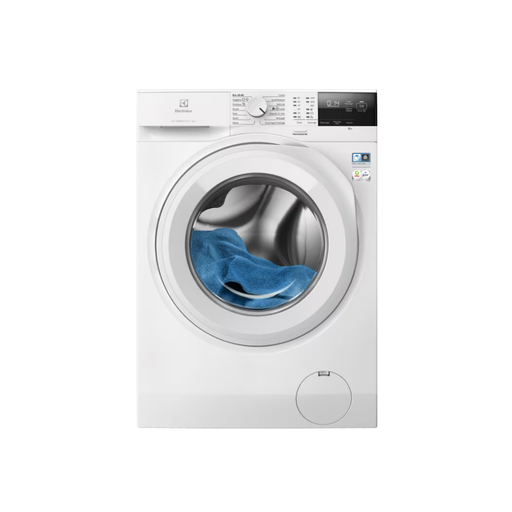 Image unavailable
Worth comparing if you plan to hang your laundry to dry after washing rather than install a drying appliance.
The product name lists a maximum spin speed of 1,400 rpm. This washing machine won’t replace the need for space to hang your laundry, so check the programme times you’re likely to use too.
 Image unavailable
Worth comparing for smaller loads that you plan to air-dry, if a top-loading machine suits your space.
The product name lists a maximum spin speed of 1,400 rpm. Before choosing this washing machine, compare its spin noise levels and the programme times you usually need.
 Image unavailable
Worth comparing if you have room for a separate drying appliance and want to dry loads that suit its capacity.
The product name lists an 8 kg capacity, propane refrigerant and OptiSense technology. Check the ECO programme time, energy consumption per cycle and installation requirements for the model.
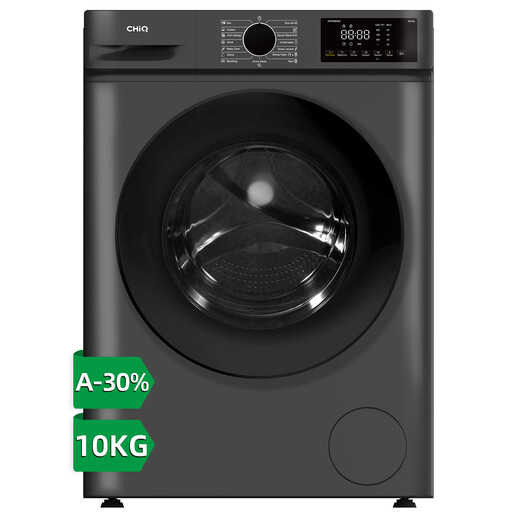 Image unavailable
Worth comparing if you wash large loads before hanging them to dry at home.
The product name lists a maximum spin speed of 1,400 rpm. Make sure you have enough space to hang your usual loads, and check the spin noise levels and programme times you’ll use.
Not necessarily: the drying capacity may be lower than the washing capacity. For example, LG France lists the F164R78BSTA as having an 11 kg washing capacity and a 6 kg drying capacity. Check both figures for the model you choose before planning a wash-and-dry cycle.
Compare its capacity with the loads you dry, then check energy consumption per cycle, the ECO programme time, noise levels and condensation efficiency for the exact model. According to the European Commission, tumble dryer energy labels have used a scale from A to G since 1 July 2025. You can scan the QR code to find product information in EPREL.
No. A drying appliance can’t diagnose or fix ventilation or mould problems. ADEME notes that air-drying laundry contributes to indoor humidity. If you suspect a problem with your home, look into it separately from your appliance purchase.