Renters with little space to dry laundry
In a small room or shared living space, you’ll need to consider where to put the clothes airer or appliance, where to store it when it’s not in use, and how much noise it makes while running.


First, choose a suitable spot for drying laundry indoors, taking the existing ventilation into account. If you’re replacing your washing machine, its spin-drying efficiency is also worth considering. A dehumidifier can provide extra support in a particular room, while a tumble dryer is better suited to frequent washing if you have enough space. Size, noise, electricity use and maintenance can help you decide between these options.
In a small room or shared living space, you’ll need to consider where to put the clothes airer or appliance, where to store it when it’s not in use, and how much noise it makes while running.
If you wash one load after another, compare the capacity that suits your laundry, the spin cycle, programme times and energy use rather than looking at the stated capacity alone.
If you dry laundry near a bedroom or living area, noise levels and the existing ventilation matter just as much as how quickly you want your washing to dry.
To dry laundry in a flat, first check where you can hang it. The ADEME/CSTB study recommends a large, well-ventilated room or one with a mechanical ventilation (VMC) extract vent. Spin efficiency is worth considering when choosing a washing machine. If you’re also thinking about a dehumidifier or tumble dryer, weigh up how it works against the space you have and how often you do your washing.
| What matters | What to check | Who it matters to |
|---|---|---|
| Humidity and ventilation | Look for a well-ventilated room or one with a VMC extract vent. For a dehumidifier, compare its stated capacity with the conditions under which it was measured, and check how it handles collected water. | If my laundry always dries indoors, I want to avoid overlooking the moisture it releases into the room. Around 31% of consumers would put this concern first. |
| How often and how much you wash | Compare the washing machine’s spin-drying efficiency class and choose a capacity suited to your usual loads. For a tumble dryer, also look at the length of the eco programme. | When loads follow one another, I need the previous load to dry in time to make room for the next one. This would be the top priority for around 31% of consumers. |
| Space and noise | Measure the space and clearance required, then check the model’s dimensions and noise level in the mode you plan to use. | In a small room close to somewhere people rest, I need to be able to install a solution without overlooking the noise. Around 23% of consumers would put these constraints first. |
| Energy use and lifespan | Check the energy consumption on the washing machine or tumble dryer label and, where applicable, the washing machine’s durability index. | If the appliance is going to be used regularly, I want to take its electricity use and lifespan into account. Around 15% of consumers would put this concern first. |
Hanging laundry releases moisture into the indoor air. A dehumidifier can help manage humidity in a room, but it doesn’t remove the need to choose a spot with suitable ventilation or existing extraction.
Think about which room you’ll actually use to dry your laundry, then check the noise, stated capacity and options for emptying the tank or using a drainage hose on the appliance you’re considering.
Using it also involves electricity, noise and managing the water tank or drainage hose.
A stated capacity won’t tell you whether the appliance will fit in your room, whether its noise level suits you or, in the case of a dehumidifier, how much moisture it will remove in your conditions.
Measure the space and check the dimensions, required clearance and noise level. For a capacity given in L/24 h, also check the temperature and humidity conditions under which it was measured.
According to the European Commission, the energy label for affected new tumble dryers has used the A to G scale since 1 July 2025. It isn’t directly comparable with the old A+++ to D scale.
When comparing tumble dryers, use the same generation of energy label and also look at the stated energy consumption, capacity, eco programme duration and noise level.
A washing machine doesn’t necessarily dry your laundry, but its spin cycle affects how much water remains to be removed. ADEME recommends choosing a washing machine with spin-drying efficiency class A when laundry needs to dry quickly indoors or in a tumble dryer.
If you’re buying a washing machine, check its spin-drying efficiency class alongside its capacity and noise information.
Bosch’s heat pump tumble dryer range includes models worth considering if you have space for a dedicated appliance.
The brand’s heat pump tumble dryers may be worth comparing if programmes for different fabrics are one of your priorities.
The Tasciugo range includes dehumidifiers to consider as extra support in the room where you dry your laundry.
These dehumidifiers have a function designed for laundry. Consider them as extra support in the room where you dry your clothes, while keeping the existing ventilation or extraction in place. In particular, compare how they handle water, how much space they take up and the noise level of the mode you’ll use.
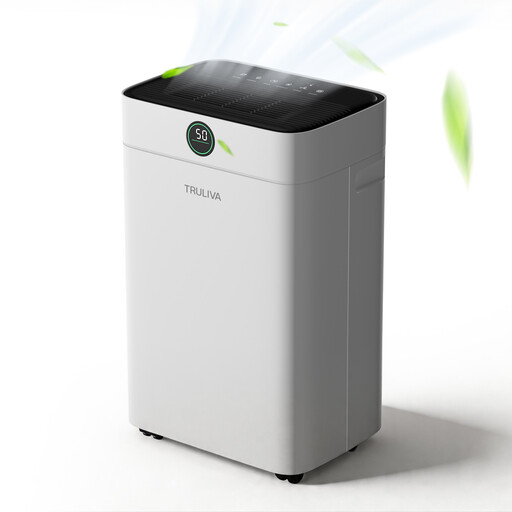 Image unavailable
Its laundry function makes it worth considering as extra support in the room where you hang your clothes to dry.
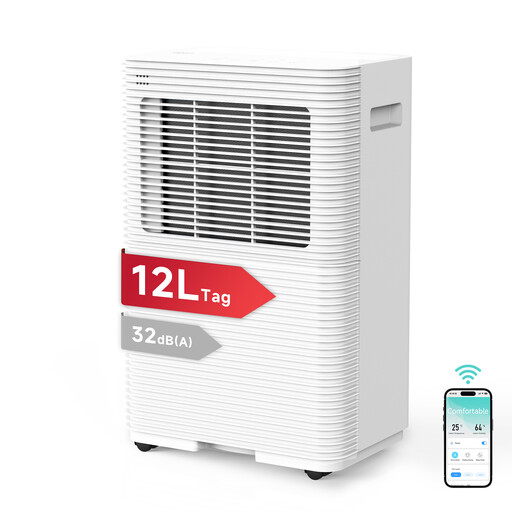 Image unavailable
The laundry mode and two ways to manage water make this model worth considering as extra support in a particular room.
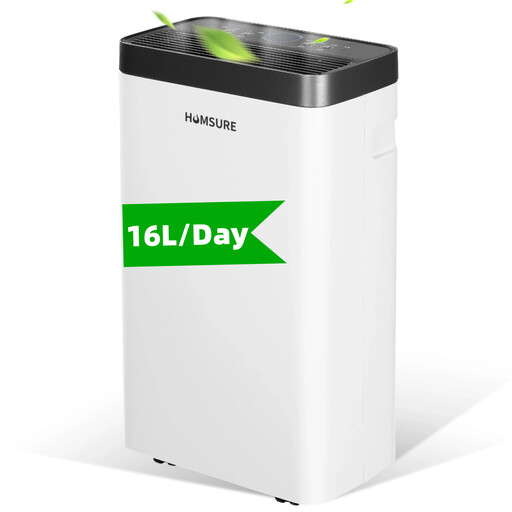 Image unavailable
Its laundry function makes it worth comparing as an extra drying aid in a room at home.
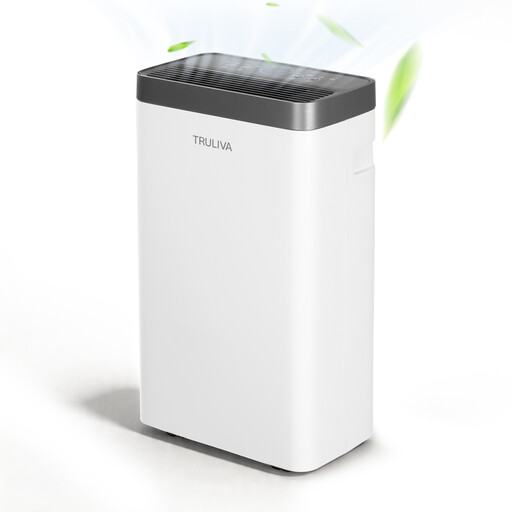 Image unavailable
Its laundry-drying mode makes it an option worth considering for extra support in the room where you put your clothes airer.
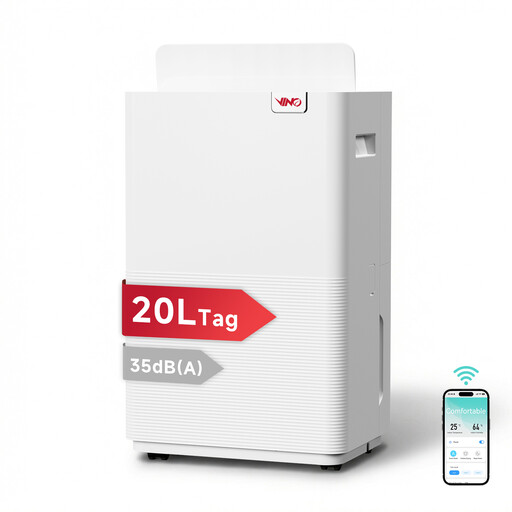 Image unavailable
The laundry mode and continuous drainage are worth considering if you’re looking for extra support in a room where you regularly dry your washing.
Choose a large, well-ventilated room or one with a mechanical ventilation (VMC) extract vent, in line with the recommendations in the ADEME/CSTB study on indoor drying. This choice of location isn’t an assessment of the ventilation in your home.
No. Consider it as extra support in the room where you dry your laundry, without giving up the existing ventilation or extraction. The ADEME/CSTB study recommends choosing a well-ventilated room or one with an extract vent for drying laundry indoors.
Compare its capacity, dimensions, noise level, energy use and eco programme duration with your usual laundry loads and the space available. For affected new tumble dryers in the European Union, the European Commission says the energy label has used the A to G scale since 1 July 2025.
According to ADEME, a 7 kg capacity is usually enough, but it should suit your usual loads. If you’re replacing your washing machine and want your laundry to dry more quickly afterwards, also check its spin-drying efficiency class. In this case, ADEME recommends choosing class A.