If you don’t have an external vent, start by comparing condenser tumble dryers, particularly heat pump models if lower energy consumption is a priority. Traditional systems generally dry clothes faster, according to UFC-Que Choisir. If space is tight, you could also consider a washer-dryer or a clothes airer in a suitable room. Whichever option you choose, check its capacity, dimensions and ventilation requirements.
Who is this guide for?
Households without an external vent
You need to install the appliance at home without an exhaust duct. Compare condenser models and still check the room’s ventilation and the space required around the appliance. UFC-Que Choisir and Electrolux highlight these points.
Households that do laundry often
You’re looking for a balance between electricity use, cycle times and a capacity suited to your washing loads. UFC-Que Choisir and the European Commission offer guidance to help you compare appliances and their energy labels.
Households short on space
You’re weighing up a separate appliance, a washer-dryer or a clothes airer. Consider the moisture created by drying clothes indoors, and remember that a washer-dryer’s drying capacity is different from its washing capacity. These points are covered by ADEME, Santé.fr and UFC-Que Choisir.
What should you look for before buying?
First check that the solution is suitable for your home. Then compare ventilation, capacity, energy use and cycle times in light of your laundry needs.
Heat pump condenser dryer
Worth considering: if you don’t have an external vent and dry clothes regularly, especially if energy use is a priority.
The trade-off: drying generally takes longer than with traditional systems, according to UFC-Que Choisir.
Traditional condenser dryer
Worth considering: if a model that suits your home is available and faster drying or a lower purchase price matters more to you.
The trade-off: UFC-Que Choisir says these systems generally dry clothes faster, but use more energy than a heat pump model.
Vented tumble dryer
Worth considering: only if you have an opening to the outside or access to a ventilation duct.
The trade-off: moist air must be vented outside. UFC-Que Choisir also says these appliances generally use more energy than heat pump models.
Clothes airer or washer-dryer
Worth considering: a clothes airer if you have a large enough, well-ventilated room or suitable extractor; a washer-dryer if you can’t fit two appliances.
The trade-off: a clothes airer releases moisture into the room. A washer-dryer’s drying capacity is generally lower than its washing capacity, according to UFC-Que Choisir.
| Criterion |
What to check before buying |
Who should prioritise it? |
| Location and humidity |
Vent type, dimensions with the door open, clearances specified in the manual and room ventilation. |
I don’t have an external vent and need to install the appliance somewhere that stays well ventilated. Around 37% of consumers prioritise location and humidity control. |
| Energy use |
Current energy label, energy consumption and programme duration for the appliances you’re actually comparing. |
I use the appliance regularly and want to compare running costs, not just the purchase price. Around 27% of consumers prioritise energy use. |
| Drying capacity |
Drying capacity in kg and suitability for the amount of laundry you need to dry. For a two-in-one appliance, compare washing and drying capacities separately. |
I want to dry my usual loads without having to split them into several batches. Around 18% of consumers prioritise a capacity suited to their laundry needs. |
| Space required |
Width, depth, access to the drum with the door open, and the space actually available for an appliance or clothes airer. |
I’m short on space and need to be able to access the appliance once it’s installed. Around 9% of consumers prioritise saving space. |
| Cycle times and purchase price |
Programme duration for the load you plan to dry and the specifications of the model on offer. Compare appliances on a like-for-like basis. |
I want my clothes ready sooner or need to weigh up the purchase price. Around 9% of consumers prioritise speed or the initial cost. |
Mistakes to avoid
-
Assuming an appliance without a duct doesn’t need ventilation
A room that’s too small or a poorly ventilated location can encourage condensation around the appliance.
Check the manual for the exact model and make sure the installation location meets its ventilation requirements.
Brands to compare
Bosch
The WQA23300FR is an example of a separate heat pump tumble dryer in the French range, listed with an 8 kg capacity.
- Bosch lists dimensions of 842 × 598 × 613 mm and the AutoDry function for this model.
- Check the manual to see whether its dimensions and installation requirements suit your planned location.
Beko
The D3H18C01W is an example of a heat pump tumble dryer in the French range.
- Beko presents the reuse of warm air as a way to reduce energy consumption.
- This is the manufacturer’s description, not an independent comparison of this model. Compare the specifications of the appliance you’re considering.
Electrolux
The range includes the PerfectCare 900 EW9HI783FC heat pump tumble dryer.
- The brand’s support guidance points out that location and ventilation matter for condenser and heat pump appliances too.
- Installation clearances aren’t universal, so check the manual for the model you choose.
Miele
The French range includes separate tumble dryers with capacities of 7, 8 and 9 kg, depending on the model.
- Miele recommends matching the tumble dryer’s capacity to the washing machine’s, if possible.
- Check the capacity and requirements for the specific model, as they vary across the range.
Haier
The French range includes heat pump tumble dryers with different capacities and energy ratings.
- The range on offer gives you different capacities to compare, depending on the model.
- The energy-saving claims made by the brand aren’t independent comparative measurements.
Joybuy products for drying clothes indoors
This selection includes vented tumble dryers, a washer-dryer and heat pump tumble dryers. For a vented appliance, check that you have an opening to the outside or access to a duct. For every option, check the capacity, dimensions and ventilation requirements.
 No image available
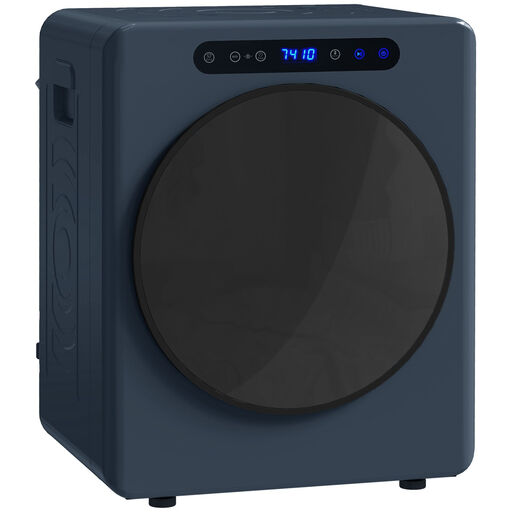
HOMCOM compact vented tumble dryer, 3 kg, 1 000 W
Its compact design and listed 3 kg capacity make it suitable for smaller loads, provided your home has suitable venting.
The title lists 4 programmes. The dryer needs an opening to the outside or access to a duct.
View on Joybuy
 No image available
Samsung WD10HG6U34BEU3 washer-dryer, 10 kg + 6 kg, class D
This all-in-one solution combines washing and drying when you don’t have room for two machines.
The title lists 10 kg for washing and 6 kg for drying, class D. If your washing load exceeds the drying capacity, you’ll need to split it.
View on Joybuy
 No image available
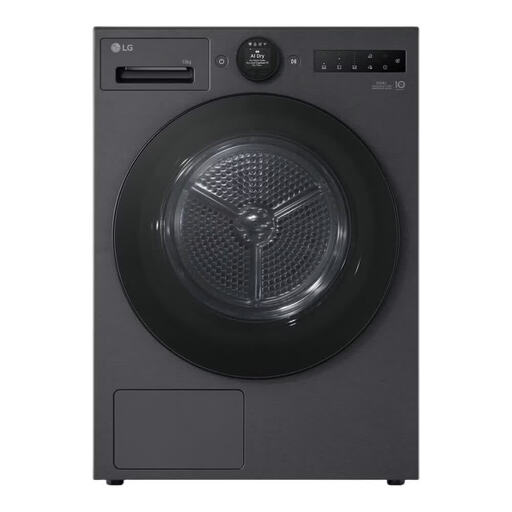
LG RT10X8B heat pump tumble dryer, 10 kg, class C
Its listed 10 kg capacity may suit larger loads, provided your available space meets the installation requirements.
The title lists a black finish and class C. Allow enough space for ventilation and to open the door fully.
View on Joybuy
 No image available
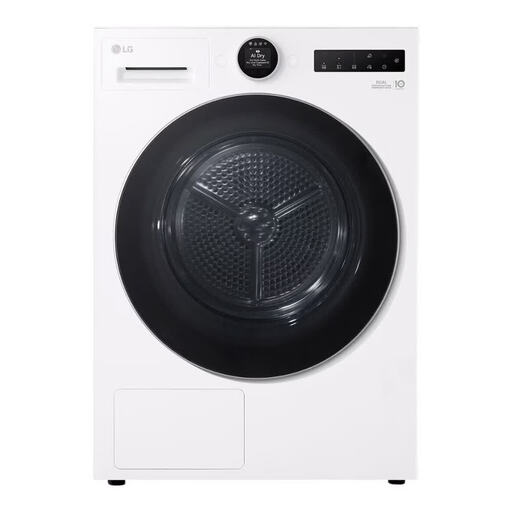
LG RT90X8 tumble dryer, 9 kg
The title lists a 9 kg capacity for those looking to dry larger loads.
Check the drying technology and clearance requirements for the exact model, as well as the space needed to open the door fully.
View on Joybuy
 No image available
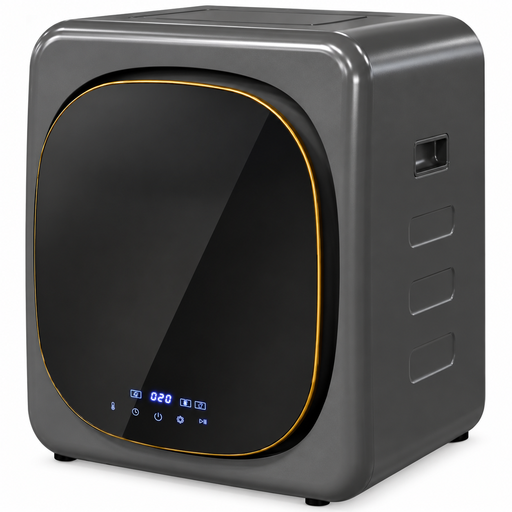
Compact vented tumble dryer, 4 kg, 800 W
The title describes it as a compact appliance for a studio or flat, suitable for freestanding or wall-mounted installation.
It lists 6 programmes and requires venting. Before choosing this option, check that your home has the necessary external opening or duct.
View on Joybuy
Frequently asked questions
Can you put a condenser tumble dryer in a cupboard?
Not necessarily. The fact that it doesn’t need an external duct doesn’t mean a closed cupboard is suitable. In its guidance for the appliances concerned, Electrolux advises against placing them in an enclosed cupboard without ventilation. Check the manual and the clearances specified for your model.
How can you use a clothes airer if your home is damp?
Choose a large, well-ventilated room or one with a suitable extractor, as ADEME recommends. Santé.fr advises opening the windows while clothes are drying if you can’t dry them outside.
How should you compare energy use and drying times?
Compare the listed energy consumption and programme duration for the models you’re considering, using similar load sizes. Also think about how often you’ll run a cycle: a faster programme doesn’t necessarily use less energy.
What legal guarantee applies to a new tumble dryer bought in France?
When a private individual buys a new product from a trader, the legal guarantee of conformity applies. The French Ministry of the Economy states that, for a new product, the presumption that a fault existed at the time of sale lasts for two years. Any commercial warranty does not replace it.
What do the new energy ratings for tumble dryers mean?
The European Commission says the rules in force since 1 July 2025 require a new A to G label for the tumble dryers covered. This date alone isn’t enough to determine the status of an older appliance offered for sale: you need to know its circumstances and history.


