
Livraison le jour même ou le lendemain

Qualité garantie

Débloquez vos offres de bienvenue: Livraison GRATUITE | Jusqu'à -80 % | 30 jours d'essai gratuits à JoyPlus
Téléchargez l'application
Skin that feels tight after showering, redness when the seasons change, rough patches on the legs or an uncomfortable scalp: choosing moisturising care for dry and sensitive skin is not simply a matter of spotting the word “moisturising” on the packaging. A pleasant texture may conceal a fragranced formula that is not well suited to sensitive skin, while a large bottle does not guarantee hydration that lasts all day.
Here are the most common pitfalls, the criteria to consider and a selection of products suited to a range of routines and needs.
A cream can create an instant sensation of softness thanks to film-forming agents without necessarily meeting the needs of dry skin. When comparing products, check the INCI list: glycerin, plant oils, shea butter, panthenol and certain emollients are commonly used in formulas designed for dry skin.
Reactive skin may nevertheless tolerate fragrance, essential oils or certain preservatives poorly. “Natural” and “hypoallergenic” do not mean that a product will suit everyone. If your skin is particularly sensitive, choose a short ingredient list and test the product on a small area first.
A toner for oily skin does not serve the same purpose as a repairing hand cream or a body lotion designed for dry skin. Products intended for normal to oily skin are often lighter and may contain astringent ingredients such as witch hazel.
Conversely, a rich formula can feel highly comforting on the elbows and legs but may prove too occlusive for the face or blemish-prone skin. The area you want to treat should therefore guide your choice.
Claims such as “48-hour” or “intensive hydration” are regulated, but results vary according to application frequency, the season, indoor temperature and the level of skin dryness. A lotion applied after every shower may prove more effective in everyday use than a very rich product applied irregularly.
Glycerin helps retain water in the skin’s superficial layers, while plant oils and butters help ease the sensation of dryness. Panthenol, allantoin and bisabolol are also commonly found in formulas focused on skin comfort.
Remember to check the declared fragrance allergens as well. A fragrance-free formula may be preferable for highly reactive skin, although no cosmetic formula is completely free from the risk of a reaction. In the event of persistent irritation, stop using the product and seek advice from a healthcare professional if necessary.
Compare the price per litre rather than the price displayed on the bottle. Close products carefully, keep them away from heat and follow the period-after-opening guidance shown on the packaging. Products containing denatured alcohol or labelled as flammable, including certain scalp treatments, must be kept away from flames and used in a well-ventilated area.
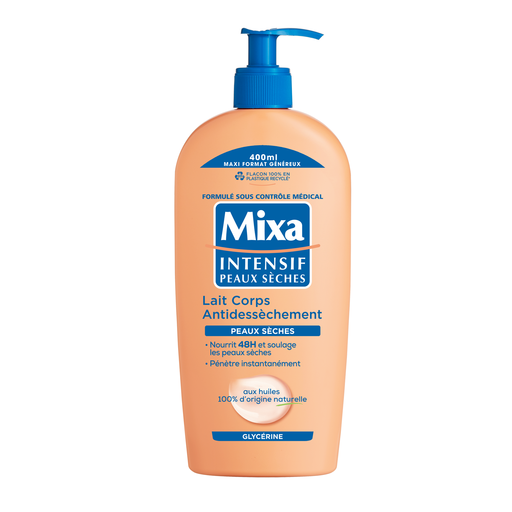
Why this is a suitable choice: its 400 ml size is well suited to a family routine after showering, while its texture is described as non-sticky.
The product listing clearly states that it is intended for dry body skin, rather than presenting a universal formula without specifying its use.
The ingredient list notably includes glycerin, shea butter, coriander oil and allantoin. The manufacturer claims up to 48 hours of moisturising comfort.
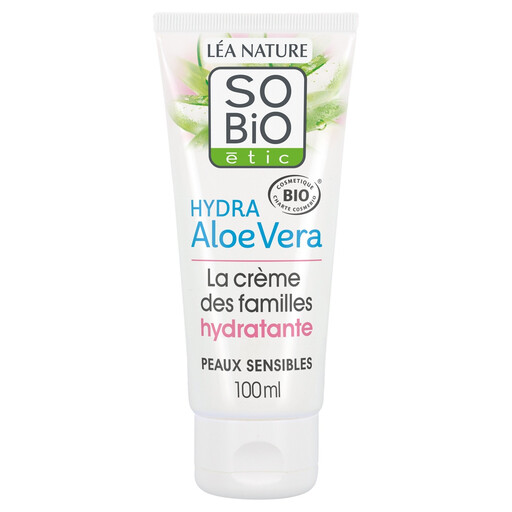
Why this is a suitable choice: a single 100 ml tube is enough for the face, body and hands, making it practical in a bathroom where every centimetre counts.
The listing details the areas of application and mentions COSMOS Organic certification, rather than relying solely on a vague promise of softness.
The formula notably combines aloe vera, rose floral water, shea butter and glycerin. The listing states that 99% of the ingredients are of natural origin and that the product is made in France.
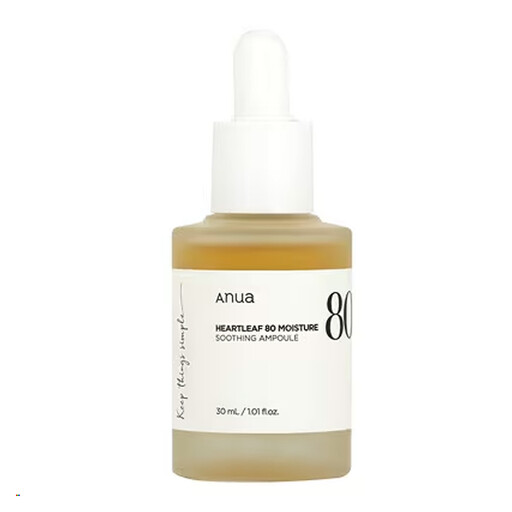
Why this is a suitable choice: its concentrated format and lightweight texture fit easily into a morning or evening routine, particularly beneath a cream.
The listing states that the formula is fragrance-free and non-comedogenic. This does not eliminate the need for a patch test, especially if your skin reacts easily.
The formula notably contains panthenol, hyaluronic acid, betaine and glycerin. Apply it to the face and neck after cleansing.
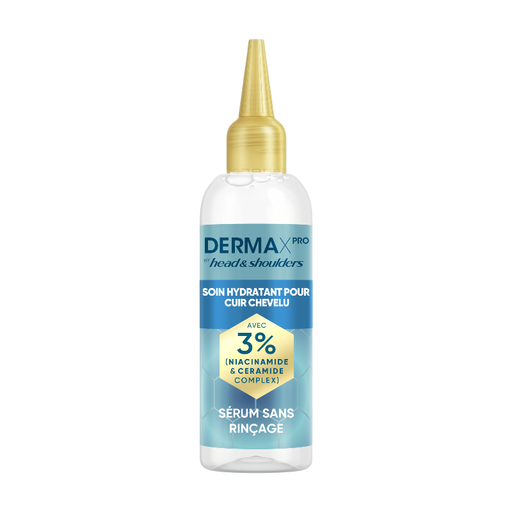
Why this is a suitable choice: this targeted treatment is designed for a dry, dandruff-prone scalp, not for the face or body.
The listing mentions piroctone olamine and niacinamide. Use this product only as directed and stop using it if irritation occurs.
According to the description, the formula contains glycerin, panthenol and a ceramide complex. The bottle contains 145 ml and the product is flammable.
We have brought together an up-to-date selection of care products to help you compare them according to your needs and shopping habits in France.
Start with a formula suited to the area concerned and containing moisturising and emollient agents such as glycerin, shea butter or panthenol. A multi-use cream may work well for the body and hands, while a lightweight serum can be layered more easily beneath a cream on the face. Always check whether the product contains fragrance and perform a patch test before applying it more widely.
This depends on the best-before date or the period-after-opening guidance shown on the packaging. Close the container after every use and avoid heat, direct sunlight and contamination from your fingers. If the smell, colour or texture changes, it is best to discard the product.
Not necessarily. The face may react differently to fragrances, oils or rich textures. Use a face and body cream only when the product listing clearly states that it is intended for both areas.